
In the construction industry, including factory renovation, warehouse upgrading, and industrial building projects, occupational safety is always a top priority. Although preventive safety measures have become increasingly comprehensive, unexpected incidents such as fires, explosions, workplace accidents, structural collapses, electrical hazards, and other emergencies can still occur at any time. In such situations, having a well-established construction site emergency response procedure is essential to minimize damage, protect workers, and ensure project continuity.
So, what should a professional emergency response procedure include? How can businesses prepare themselves to effectively handle dangerous situations? Let’s explore the details below to strengthen safety management capabilities and protect construction projects more effectively.
What Is Construction Site Emergency Response?
Construction site emergency response refers to a systematic set of procedures and actions designed to quickly and effectively manage emergency situations that may arise during construction activities. The primary objectives are to protect human life, minimize property damage, reduce environmental impacts, and maintain project stability.
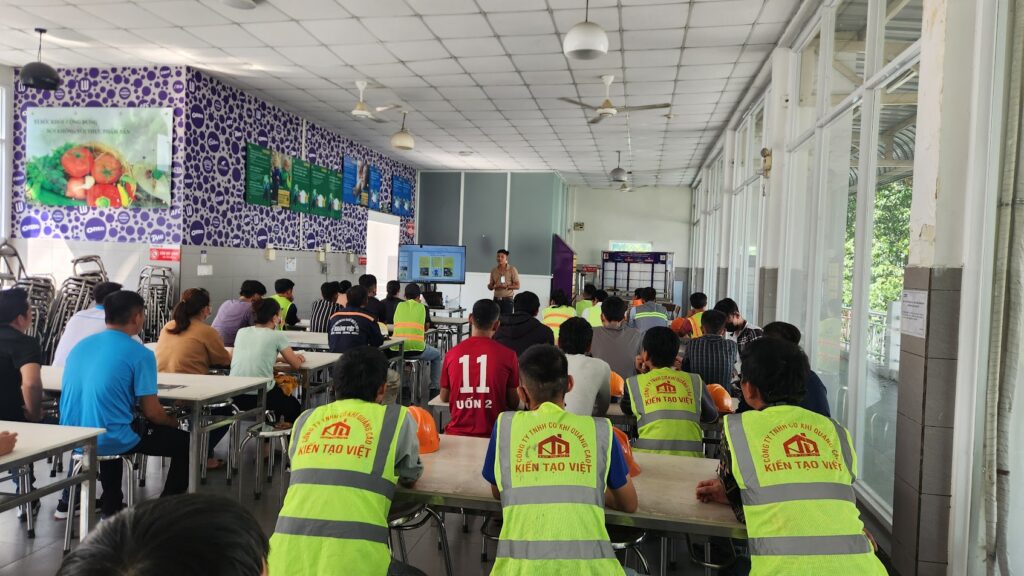
A professional construction site emergency response plan focuses not only on handling incidents when they occur but also on preparation, personnel training, emergency drills, and continuous risk assessment. This has become one of the most important requirements for modern construction projects, especially large-scale factory renovations, warehouse improvements, and industrial construction works.
The Importance of Construction Site Emergency Response Procedures
Protecting Workers’ Lives
Every construction site contains potential safety risks. A clearly defined emergency response procedure helps workers understand how to react during emergencies, thereby reducing injuries and preventing serious consequences.
Minimizing Property Damage
Construction site incidents can cause significant damage to machinery, materials, structures, and project schedules. Timely and effective response measures help control the situation and reduce financial losses.
Maintaining Project Progress
A major incident may result in lengthy construction delays. With a well-prepared response procedure, businesses can recover more quickly and resume operations with minimal disruption.
Enhancing Corporate Reputation
Construction companies that implement professional safety management systems gain greater trust from investors, partners, and clients. This also creates a significant competitive advantage in today’s construction industry.
Common Emergency Situations at Construction Sites
To develop an effective emergency response plan, businesses must first identify the risks that may occur during construction activities.
Fire and Explosion
Fire and explosion incidents often result from welding operations, electrical short circuits, fuel leaks, or improper storage of flammable materials.
Workplace Accidents
These include falls from height, falling objects, machinery-related injuries, electrical shocks, and accidents during equipment operation.
Temporary Structure Collapse
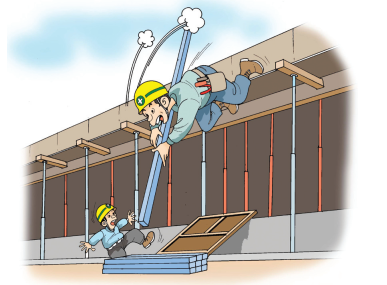
Scaffolding systems, formwork, temporary supports, and other temporary structures may collapse if not properly designed, installed, and inspected.
Electrical Incidents
Temporary construction power systems often pose significant safety hazards if not properly managed and maintained.
Chemical Leaks and Hazardous Waste Incidents
Industrial construction and factory renovation projects frequently involve chemicals that can threaten workers’ health and the environment if leaks or spills occur.
Natural Disasters and Extreme Weather
Heavy rain, storms, strong winds, flooding, and other severe weather conditions can increase construction site safety risks.
Professional Construction Site Emergency Response Procedures
Step 1: Incident Detection and Initial Assessment
As soon as an abnormal situation is detected, workers must immediately report it to supervisors or the safety management team.
The initial assessment should determine:
- The type of incident.
- The affected area.
- The level of danger.
- The potential for escalation.
- Risks to people and property.
Accurate information is crucial for effective emergency response.
Step 2: Activate the Emergency Response Plan
Once the situation has been assessed, the site management team should immediately activate the predefined emergency response plan.
Key actions include:
- Issuing emergency notifications throughout the site.
- Activating alarm systems.
- Mobilizing emergency response teams.
- Contacting external support services if necessary.
Rapid activation significantly reduces response time and helps prevent the situation from worsening.
Step 3: Isolate the Hazardous Area
This step is critical for protecting personnel who are not directly involved in emergency operations.
Common isolation measures include:
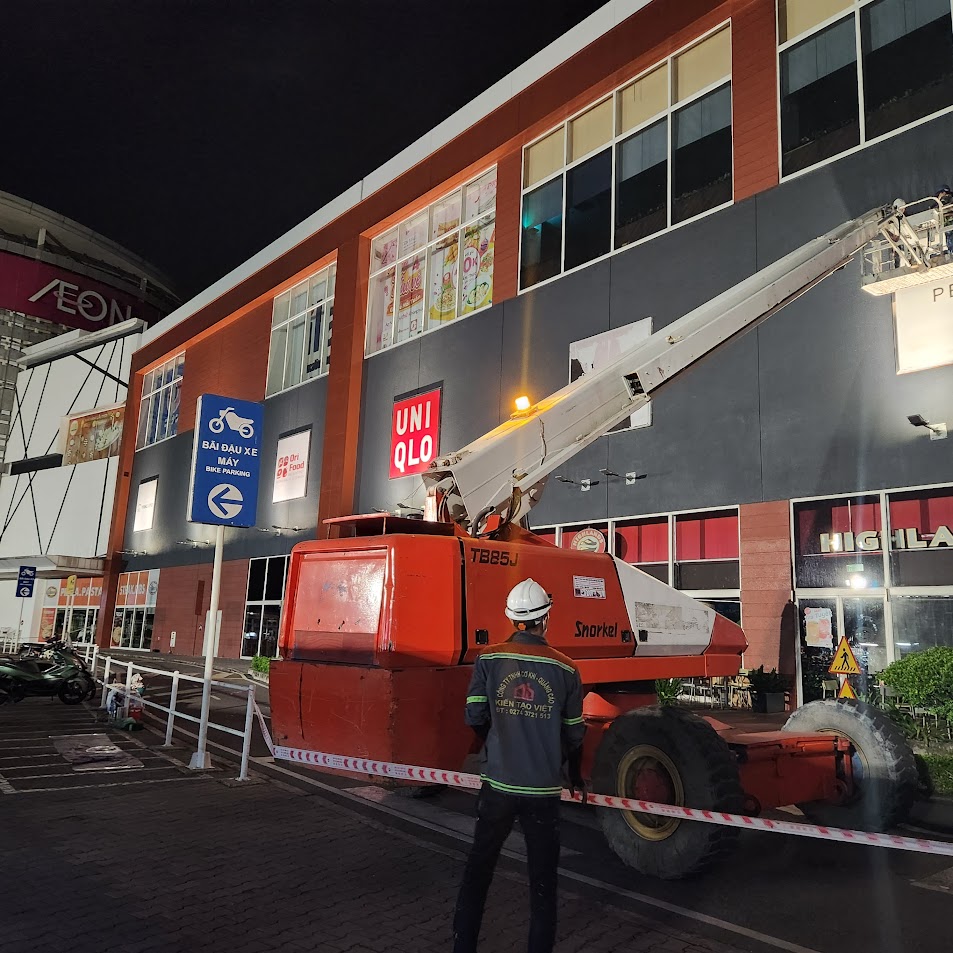
- Setting up barricades around the affected area.
- Disconnecting electrical power if required.
- Stopping nearby machinery and equipment.
- Restricting access to the incident zone.
Proper isolation helps prevent secondary accidents during emergency response activities.
Step 4: Evacuate Personnel
If the incident poses a threat to human safety, immediate evacuation must be carried out.
The evacuation process should ensure:
- Movement through designated emergency exits.
- Assembly at predetermined safe gathering points.
- Accurate personnel headcounts.
- Assistance for injured individuals and those with limited mobility.
Every construction site should have clearly marked evacuation routes and assembly areas.
Step 5: Conduct Rescue and Initial Recovery Operations
The emergency response team will implement appropriate measures based on the type of incident.
For example:
In case of fire, portable fire extinguishers or on-site firefighting systems should be utilized.
For workplace accidents, first aid should be administered immediately before transporting injured personnel to the nearest medical facility.
For electrical incidents, power sources must be isolated before approaching the affected area.
All rescue operations should be carried out by trained personnel to ensure maximum safety.
Step 6: Coordinate with Emergency Authorities
For serious incidents, construction sites must promptly contact:
- Fire and Rescue Services.
- Emergency Medical Services.
- Local Authorities.
- Professional Rescue Teams.
Effective coordination among all parties helps bring the situation under control as quickly as possible.
Step 7: Incident Investigation and Evaluation
After the emergency has been resolved, businesses should conduct a thorough investigation to identify root causes and prevent future occurrences.
The evaluation process should include:
- Direct and indirect causes.
- Effectiveness of the emergency response plan.
- Actual damages and losses.
- Areas requiring improvement within the safety management system.
Incident reports should be properly documented and retained for future reference and training purposes.

Essential Components of an Emergency Response Plan
Regular Risk Assessment
Businesses should continuously identify and evaluate potential hazards to ensure response plans remain relevant throughout all construction phases.
Establishing an Emergency Response Team
The emergency team should receive specialized training in:
- First aid and medical response.
- Fire prevention and firefighting.
- Rescue operations.
- Evacuation procedures.
Safety Equipment Preparation
Essential emergency equipment includes:
- Fire extinguishers.
- First-aid kits.
- Emergency warning systems.
- Rescue ropes and equipment.
- Personal protective equipment (PPE).
All equipment should be inspected regularly to ensure operational readiness.
Conducting Routine Emergency Drills
Emergency drills help workers become familiar with emergency procedures and improve response effectiveness during actual incidents.
The Role of HSE in Construction Site Emergency Response
HSE (Health, Safety, and Environment) serves as the foundation of effective safety management in construction and renovation projects.
A strong HSE system helps:
- Reduce workplace accidents.
- Improve employee safety awareness.
- Standardize emergency response procedures.
- Ensure compliance with legal regulations.
- Create a safe and professional working environment.
For factory renovation, warehouse improvement, and industrial construction projects, implementing a comprehensive HSE system helps investors minimize risks and optimize long-term operational efficiency.
Kiến Tạo Việt – A Contractor Committed to Safety and Risk Management
As a company specializing in factory renovation, warehouse renovation, office refurbishment, and industrial construction, Kiến Tạo Việt places occupational safety at the center of every project.
Each project is supported by a detailed risk management plan, pre-construction hazard assessments, and a comprehensive construction site emergency response procedure. Our engineers, supervisors, and construction teams receive continuous HSE training to ensure project quality, schedule compliance, and workplace safety throughout every stage of construction.
Conclusion
In the high-risk environment of construction projects, implementing an effective construction site emergency response procedure is essential for every professional contractor. A well-structured plan not only protects workers’ lives but also minimizes property damage, ensures project continuity, and strengthens corporate reputation.
If your business is looking for a reliable contractor specializing in factory renovation, warehouse upgrades, office refurbishment, or industrial construction with a strong commitment to safety management, Kiến Tạo Việt is your trusted partner for every project.
Blog mới nhất

Hồ sơ an toàn nhà thầu: Chuẩn bị gì trước khi thi công tại nhà máy?
Hồ sơ an toàn nhà thầu cần thể hiện công việc sẽ làm, người chịu trách nhiệm, mối nguy đã nhận diện và biện pháp kiểm soát tương ứng. Doanh nghiệp nên xác định yêu cầu hồ sơ theo phạm vi thi công và điều kiện cơ sở, thay vì sử dụng một bộ tài […]
Kế hoạch cải tạo hạ tầng nhà máy theo từng giai đoạn
Kế hoạch cải tạo hạ tầng nhà máy nên xác định rõ hiện trạng, nhu cầu vận hành, mức độ ưu tiên và điều kiện triển khai của từng hạng mục. Doanh nghiệp cần thống nhất phạm vi, ngân sách, lịch phối hợp với sản xuất và tiêu chí bàn giao trước khi huy động […]

Thi công bảng hiệu nhà máy tại TP.HCM | Kiến Tạo Việt
Thi công bảng hiệu nhà máy cần bắt đầu từ vị trí lắp đặt, mục đích nhận diện và điều kiện tiếp cận công trình. Doanh nghiệp nên chốt nội dung, kích thước, vật liệu, phương án chiếu sáng, trách nhiệm lắp đặt và tiêu chí nghiệm thu trước khi gia công. Một thiết kế […]

Chi phí cải tạo văn phòng: Cách lập dự toán và kiểm soát phát sinh
Chi phí cải tạo văn phòng không thể xác định chính xác phân tích chính xác. Doanh nghiệp cần biết hiện trạng mặt bằng, các hạng mục phải làm, vật liệu lựa chọn và điều kiện tổ chức thi công. Một báo giá hữu ích phải thể hiện khối lượng, cung cấp phạm vi, loại […]

Cải Tạo Văn Phòng Tại Củ Chi Trọn Gói
Nhiều nhà máy và kho bãi tại Củ Chi đang gặp tình trạng văn phòng cũ thiếu diện tích, bố trí bất hợp lý, hệ thống kỹ thuật xuống cấp. Cải tạo văn phòng tại Củ Chi giúp doanh nghiệp tận dụng mặt bằng sẵn có, tái cấu trúc công năng, tiết kiệm thời gian […]

An toàn lắp đặt bảng hiệu trên cao: Doanh nghiệp cần phối hợp những gì?
An toàn lắp đặt bảng hiệu trên cao cần được chuẩn bị trước khi huy động đội thi công. Doanh nghiệp và nhà thầu phải làm rõ vị trí, cách tiếp cận, nhân sự, thiết bị, hoạt động bên dưới và điều kiện triển khai. Phương án phải do người có chuyên môn xem xét; […]
-
Vì sao lắp đặt mái che di động trở thành xu hướng những năm gần đây
-
Những điều cần biết về lắp đặt mái che di động 2026
-
Những điều cần biết khi chọn nhà thầu xây dựng nhà thép tiền chế 2026
-

07 Tiêu chí chọn nhà thầu xây dựng – cải tạo nhà xưởng uy tín 2026
-

Cải tạo văn phòng doanh nghiệp 2026: Những điều cần biết