HSE Risk Assessment (Health, Safety, and Environment) is the process of identifying, analyzing, and controlling hazards that may affect the health and safety of workers, as well as the environment, throughout the construction process.
It is one of the mandatory requirements in occupational health and safety management systems based on international standards such as ISO 45001, as well as compliance with occupational safety regulations and legal requirements in Vietnam.
Why Is HSE Risk Assessment Important in Construction Projects?
Every construction project involves hundreds of potential hazards, ranging from working at height and operating heavy machinery to electrical installations, welding and cutting operations, and confined space activities. If these hazards are not properly identified and controlled, they can lead to:
- Serious workplace accidents or fatalities.
- Damage to machinery, equipment, and property.
- Construction delays and project disruptions.
- Increased compensation and incident recovery costs.
- Negative impacts on the company’s reputation.
- Non-compliance with occupational health and safety regulations.
Conducting an HSE Risk Assessment enables organizations to shift from a reactive approach of dealing with incidents after they occur to a proactive strategy focused on prevention. As a result, companies can improve safety performance, enhance management effectiveness, reduce operational risks, and support the sustainable success of construction projects.
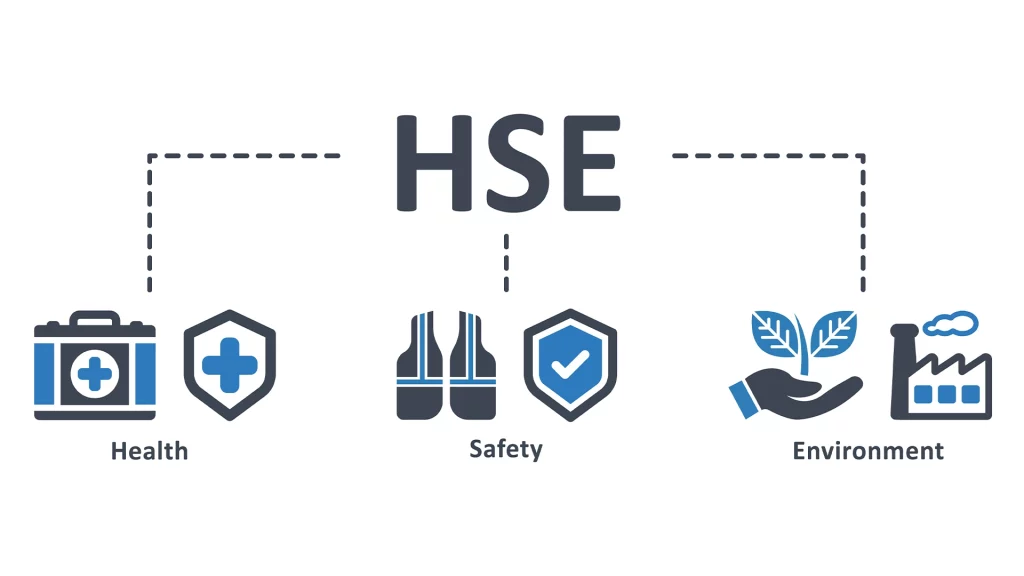
Step 1: Define the Scope of the HSE Risk Assessment
Before conducting a risk assessment, it is essential to clearly define the scope of work and the areas that require control and monitoring. The following aspects should be considered:
- Type of project.
- Construction activities involved.
- Work areas and locations.
- Machinery and equipment to be used.
- Personnel involved.
- Environmental and site conditions.
Example: For a factory construction project, risk assessments should be carried out separately for each stage of work, such as excavation and foundation works, steel structure erection, roofing installation, electrical installation, and finishing activities. Defining the scope accurately helps ensure the effectiveness of the risk assessment process and prevents potential hazards from being overlooked.
>> See more: What Is HSE in Construction? Understanding Its Role and Importance
Step 2: Hazard Identification
This is the most critical step in the entire HSE Risk Assessment process. The objective of this stage is to identify all potential hazards that could cause injuries, occupational illnesses, property damage, or adverse environmental impacts.
Safety Hazards
- Falls from roofs, scaffolding, or working platforms.
- Falling objects and materials from height.
- Collapse of temporary structures.
- Contact or collision with machinery and equipment.
- Accidents involving forklifts, cranes, and lifting equipment.
Electrical Hazards
- Electric shock.
- Electrical short circuits and fires.
- Leakage of electrical current from equipment and installations.
Chemical Hazards
- Welding fumes and gases.
- Industrial paints and coatings.
- Flammable solvents.
- Industrial cleaning chemicals.
Health Hazards
- Cement and construction dust.
- Excessive noise exposure.
- Mechanical vibration.
- High ambient temperatures and heat stress.
Environmental Hazards
- Air pollution.
- Water contamination.
- Construction waste generation.
- Noise pollution affecting nearby communities.
Common hazard identification methods include site inspections, reviewing accident and incident records, interviewing workers, conducting workplace observations, and analyzing construction processes and work activities. A thorough hazard identification process helps ensure that all potential risks are recognized and addressed before work begins.
Step 3: Risk Analysis and Evaluation
Once hazards have been identified, the next step is to assess the level of risk associated with each hazard. Risk evaluation is typically based on two key factors: Likelihood and Severity.
Likelihood
Likelihood refers to the probability or frequency of a hazard occurring during work activities.
| Score | Likelihood Level |
|---|---|
| 1 | Rare |
| 2 | Unlikely |
| 3 | Possible |
| 4 | Likely |
| 5 | Almost Certain |
Severity
Severity measures the potential consequences or impact if an incident occurs.
| Score | Severity Level |
|---|---|
| 1 | Insignificant |
| 2 | Minor |
| 3 | Moderate |
| 4 | Major |
| 5 | Fatality or Catastrophic |
Risk Rating Formula
Risk Level = Likelihood × Severity
This formula is used to determine the overall risk score and prioritize control measures.
Example
Activity: Steel Structure Erection at Height
- Likelihood: 4 (Likely)
- Severity: 5 (Fatality or Catastrophic)
Risk Score = 4 × 5 = 20
A risk score of 20 is classified as a Very High Risk. Therefore, strict control measures must be implemented and verified before construction activities can proceed. Such measures may include fall protection systems, safety nets, work permits, competent supervision, and specialized safety training for workers involved in the task.
Step 4: HSE Risk Classification
After calculating the risk score, risks are classified into different levels to determine the appropriate actions and control measures.
Risk Classification Matrix
| Risk Score | Risk Level |
|---|---|
| 1 – 5 | Low Risk |
| 6 – 10 | Medium Risk |
| 11 – 15 | High Risk |
| 16 – 25 | Very High Risk |
Meaning of Each Risk Level
| Risk Score | Risk Level | Description | Required Action |
|---|---|---|---|
| 1 – 5 | Low Risk | The hazard presents a low level of danger and is unlikely to cause serious injury or significant damage. | The risk is acceptable, and work may proceed. Regular inspections and monitoring should be conducted to maintain safe working conditions. |
| 6 – 10 | Medium Risk | The hazard has a reasonable chance of occurring and may affect workers, equipment, or property. | Additional control measures should be implemented to reduce the likelihood of incidents before continuing the work. |
| 11 – 15 | High Risk | There is a significant potential for serious accidents or incidents. | Risk mitigation measures must be implemented and verified as effective before work can commence. |
| 16 – 25 | Very High Risk | The hazard could result in severe injuries, fatalities, or catastrophic consequences. | Work must not proceed. Construction activities should be stopped immediately, and effective control measures must be applied until the risk is reduced to an acceptable level. |
HSE Risk Management Matrix
| Risk Level | Warning Color | Decision |
|---|---|---|
| Low Risk | 🟢 Green | Acceptable |
| Medium Risk | 🟡 Yellow | Additional Controls Required |
| High Risk | 🟠 Orange | Risk Reduction Required Before Work |
| Very High Risk | 🔴 Red | Stop Work Immediately |
Step 5: Developing Risk Control Measures
Risk control measures in HSE management should be implemented according to the Hierarchy of Controls, which prioritizes the most effective methods first.
The first priority is Elimination, which involves completely removing the hazard. For example, working at height can be eliminated by assembling components at ground level before lifting them into position, thereby removing the risk of falls.
If elimination is not feasible, the next step is Substitution, which involves replacing hazardous materials, equipment, or processes with safer alternatives.
The third level is Engineering Controls, which focus on isolating people from hazards through physical measures such as guardrails, safety nets, dust extraction systems, machine guarding, and hazard warning sensors.
In addition, Administrative Controls are implemented through safe work procedures, permit-to-work systems, toolbox meetings, supervision, and regular safety training programs for workers.
The final level of protection is Personal Protective Equipment (PPE), including safety helmets, safety footwear, full-body harnesses, safety glasses, gloves, and respiratory protection. However, PPE should always be considered the last line of defense and must not be used as a substitute for engineering or administrative controls.
Step 6: Prepare the HSE Risk Assessment Record
The results of the risk assessment should be documented and maintained as part of the project’s HSE management system.
Sample HSE Risk Assessment Register
| Activity | Hazard | Consequence | Risk Score | Control Measures |
|---|---|---|---|---|
| Working at Height | Fall from Height | Fatality | 20 | Safety harness, guardrails, safety nets |
| Welding and Cutting | Fire and Explosion | Severe Burns | 15 | Hot Work Permit, fire extinguishers |
| Electrical Installation | Electric Shock | Fatality | 20 | Lockout/Tagout (LOTO), electrical inspection and testing |
Maintaining accurate risk assessment records provides evidence of compliance with safety requirements and serves as a valuable reference for future reviews and audits.
Step 7: Implementation, Monitoring, and Inspection
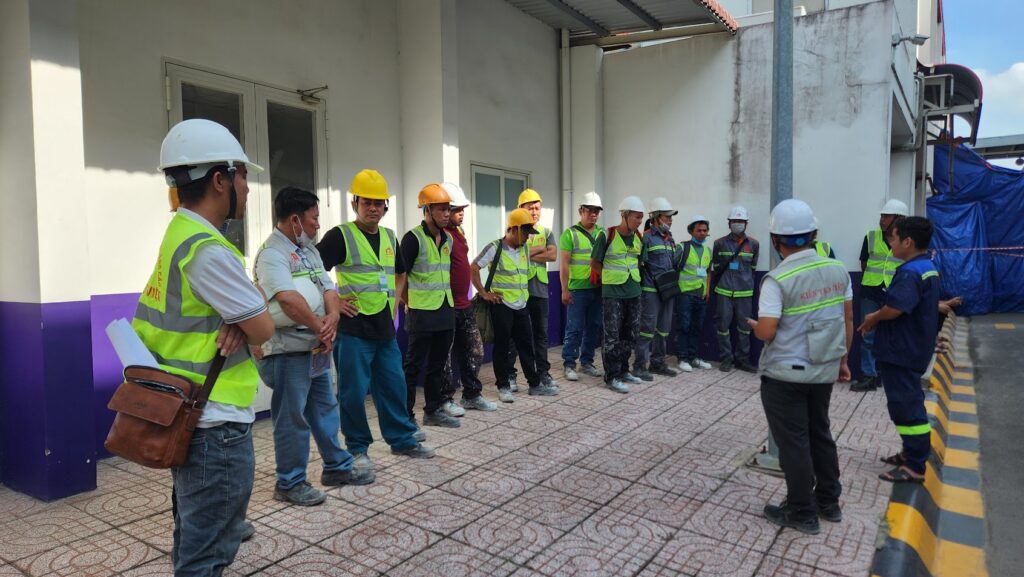
After completing the risk assessment, the organization must ensure that all identified control measures are effectively implemented.
Key actions include:
- Communicating the assessment results to all workers and relevant personnel.
- Conducting safety training and inductions before work begins.
- Performing daily site inspections.
- Monitoring the effectiveness of implemented control measures.
- Immediately correcting unsafe acts and unsafe conditions.
Continuous monitoring and supervision help ensure that the proposed controls are consistently applied and remain effective throughout the construction process.
Step 8: Review and Continuous Improvement
HSE Risk Assessment is not a one-time activity. It should be reviewed and updated regularly to reflect changes in the project and working environment.
A reassessment should be conducted when:
- Construction methods or work procedures change.
- New machinery, equipment, or materials are introduced.
- New hazards are identified.
- An accident, incident, or near miss occurs.
- Additional requirements are imposed by the client, consultant, or regulatory authorities.
Continuous improvement ensures that the HSE management system remains effective, relevant, and capable of addressing evolving workplace risks.
>> SEE MORE: Modern Office Design Ideas for Manufacturing Businesses
Benefits of HSE Risk Assessment in Construction
When a comprehensive HSE Risk Assessment process is implemented, organizations can achieve numerous benefits, including:
- Reducing workplace accidents and construction-related incidents.
- Protecting workers’ health and well-being.
- Ensuring project schedules and productivity targets are maintained.
- Lowering compensation, repair, and incident recovery costs.
- Improving operational efficiency and workforce productivity.
- Enhancing corporate image and professional reputation.
- Meeting client, regulatory, and legal requirements.
- Supporting the development of a strong and sustainable safety culture.
Conclusion
The HSE Risk Assessment Process in Construction Projects plays a fundamental role in protecting people, property, and the environment. Through systematic hazard identification, risk evaluation, and the implementation of appropriate control measures, organizations can proactively prevent accidents, minimize losses, and improve overall project performance.
As occupational health and safety requirements continue to become more stringent worldwide, establishing and maintaining a robust HSE Risk Assessment system is not only a legal obligation but also a key factor in achieving long-term competitiveness and sustainable growth within the construction industry.

Blog mới nhất
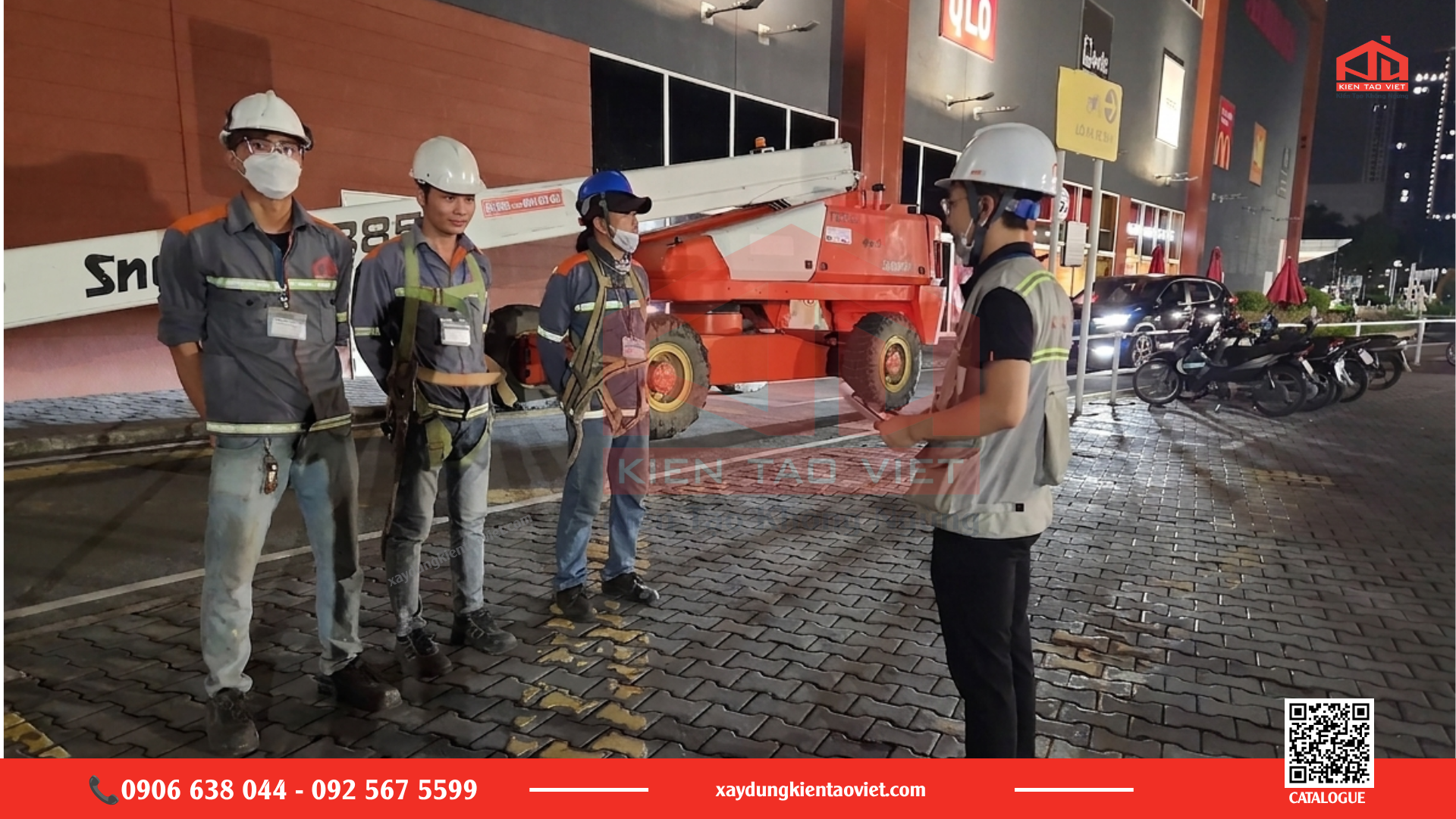
Hồ sơ an toàn nhà thầu: Chuẩn bị gì trước khi thi công tại nhà máy?
Hồ sơ an toàn nhà thầu cần thể hiện công việc sẽ làm, người chịu trách nhiệm, mối nguy đã nhận diện và biện pháp kiểm soát tương ứng. Doanh nghiệp nên xác định yêu cầu hồ sơ theo phạm vi thi công và điều kiện cơ sở, thay vì sử dụng một bộ tài […]
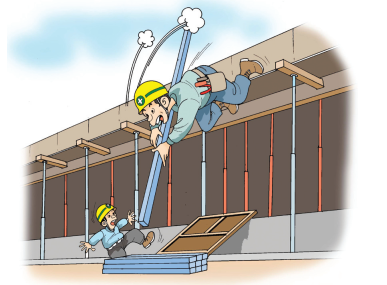
Kế hoạch cải tạo hạ tầng nhà máy theo từng giai đoạn
Kế hoạch cải tạo hạ tầng nhà máy nên xác định rõ hiện trạng, nhu cầu vận hành, mức độ ưu tiên và điều kiện triển khai của từng hạng mục. Doanh nghiệp cần thống nhất phạm vi, ngân sách, lịch phối hợp với sản xuất và tiêu chí bàn giao trước khi huy động […]

Thi công bảng hiệu nhà máy tại TP.HCM | Kiến Tạo Việt
Thi công bảng hiệu nhà máy cần bắt đầu từ vị trí lắp đặt, mục đích nhận diện và điều kiện tiếp cận công trình. Doanh nghiệp nên chốt nội dung, kích thước, vật liệu, phương án chiếu sáng, trách nhiệm lắp đặt và tiêu chí nghiệm thu trước khi gia công. Một thiết kế […]
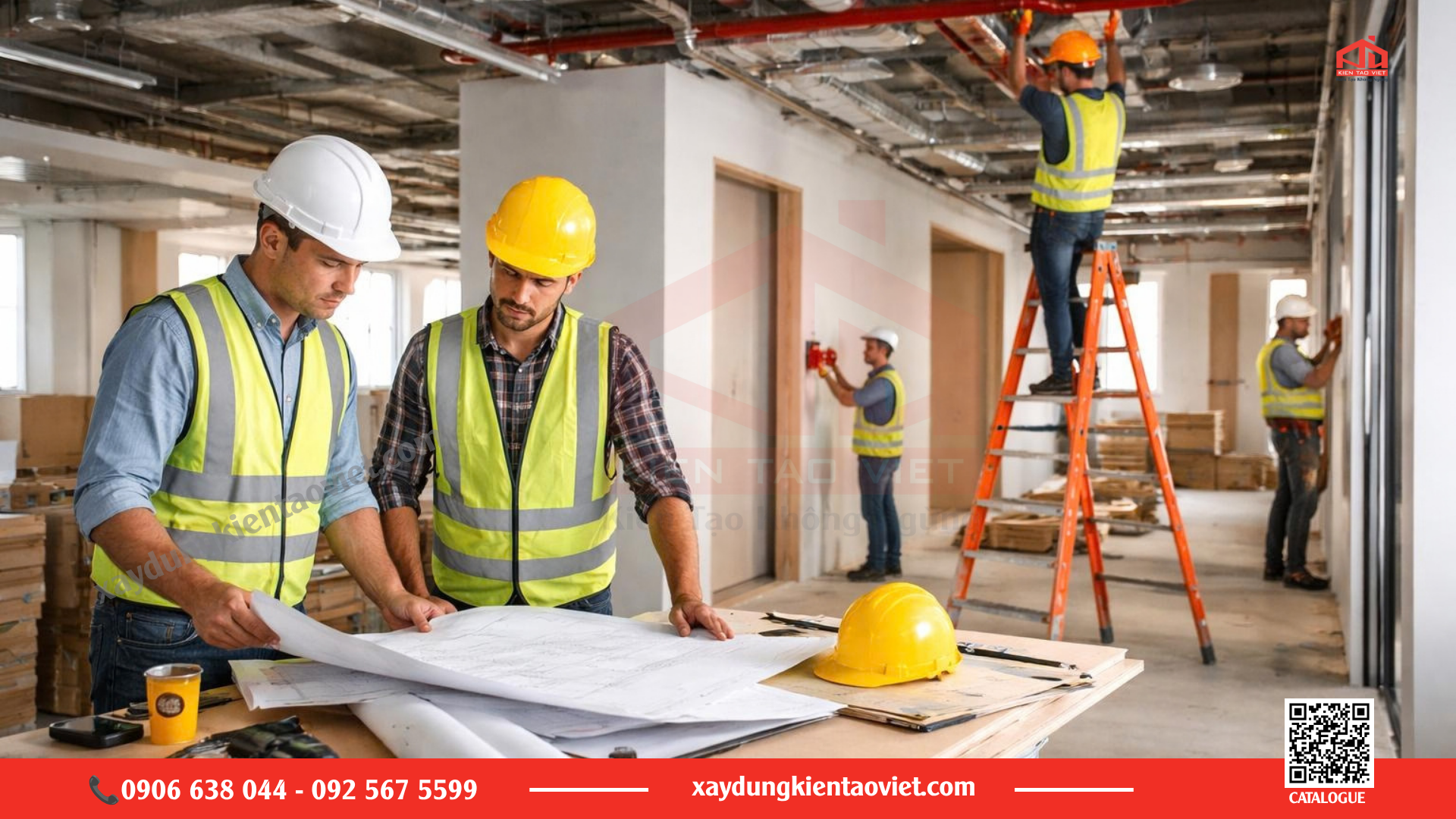
Chi phí cải tạo văn phòng: Cách lập dự toán và kiểm soát phát sinh
Chi phí cải tạo văn phòng không thể xác định chính xác phân tích chính xác. Doanh nghiệp cần biết hiện trạng mặt bằng, các hạng mục phải làm, vật liệu lựa chọn và điều kiện tổ chức thi công. Một báo giá hữu ích phải thể hiện khối lượng, cung cấp phạm vi, loại […]
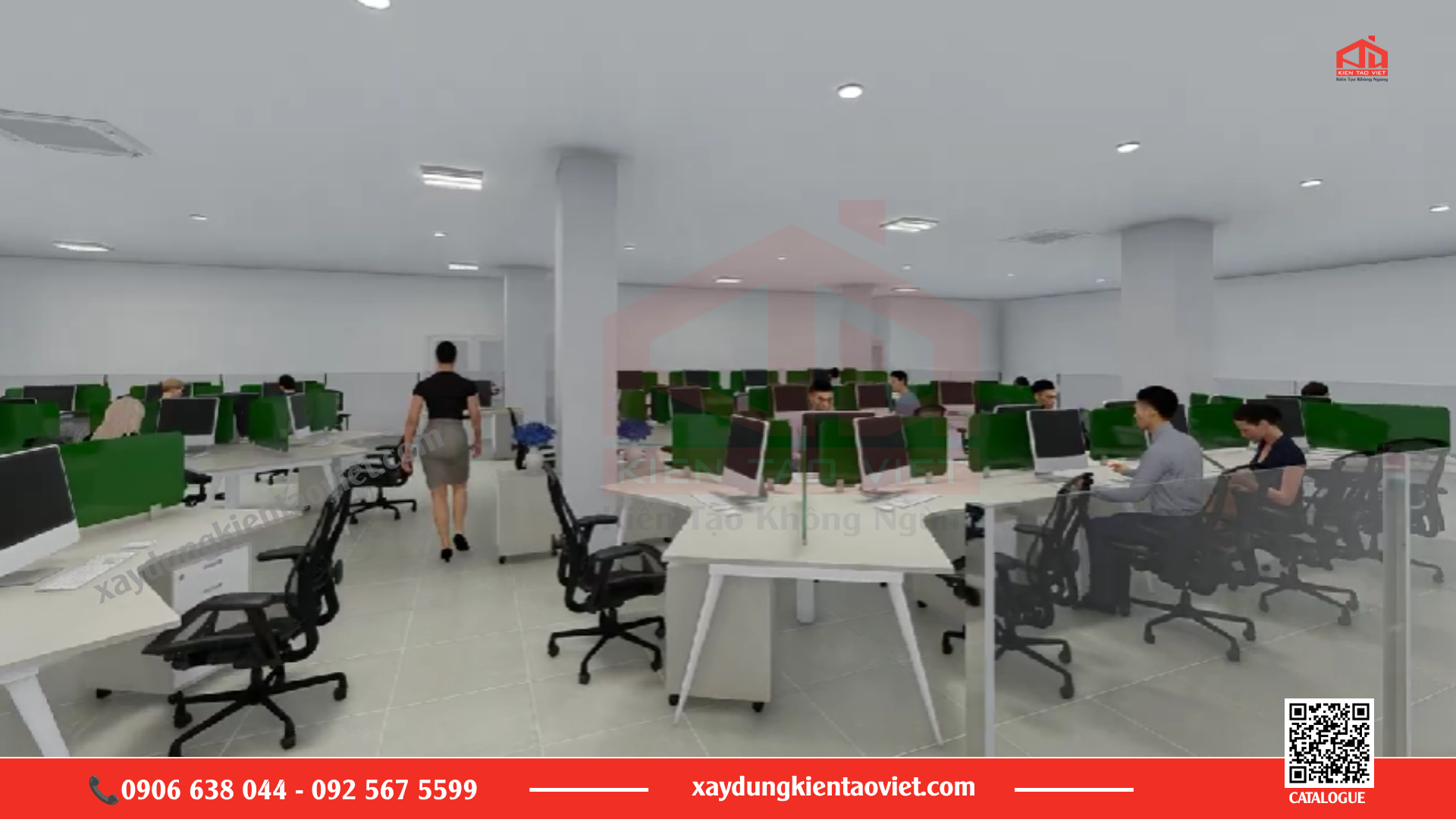
Cải Tạo Văn Phòng Tại Củ Chi Trọn Gói
Nhiều nhà máy và kho bãi tại Củ Chi đang gặp tình trạng văn phòng cũ thiếu diện tích, bố trí bất hợp lý, hệ thống kỹ thuật xuống cấp. Cải tạo văn phòng tại Củ Chi giúp doanh nghiệp tận dụng mặt bằng sẵn có, tái cấu trúc công năng, tiết kiệm thời gian […]
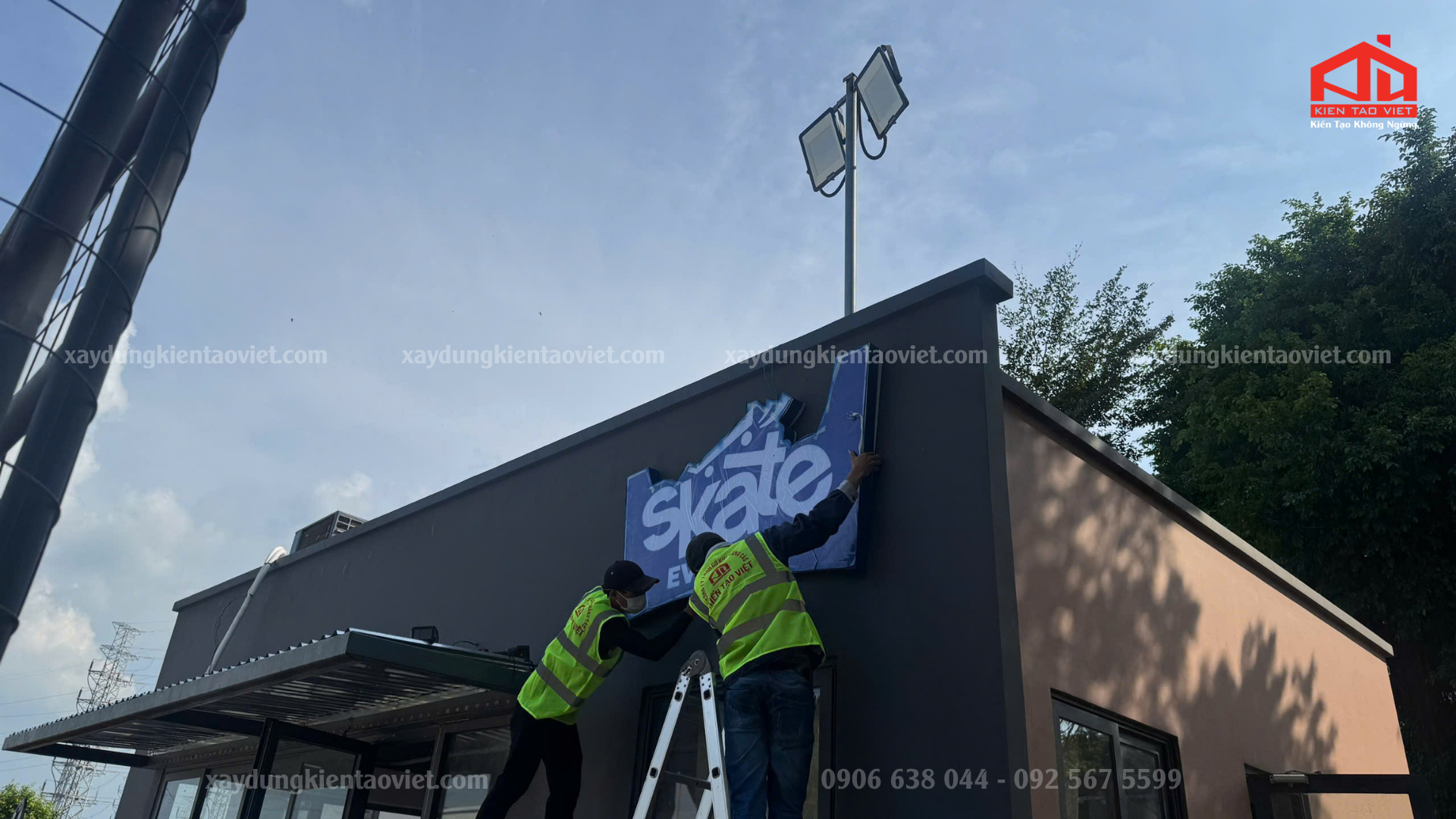
An toàn lắp đặt bảng hiệu trên cao: Doanh nghiệp cần phối hợp những gì?
An toàn lắp đặt bảng hiệu trên cao cần được chuẩn bị trước khi huy động đội thi công. Doanh nghiệp và nhà thầu phải làm rõ vị trí, cách tiếp cận, nhân sự, thiết bị, hoạt động bên dưới và điều kiện triển khai. Phương án phải do người có chuyên môn xem xét; […]
-
Vì sao lắp đặt mái che di động trở thành xu hướng những năm gần đây
-
Những điều cần biết về lắp đặt mái che di động 2026
-
Những điều cần biết khi chọn nhà thầu xây dựng nhà thép tiền chế 2026
-

07 Tiêu chí chọn nhà thầu xây dựng – cải tạo nhà xưởng uy tín 2026
-

Cải tạo văn phòng doanh nghiệp 2026: Những điều cần biết