In the construction industry, project quality, cost control, and timely completion are often considered the primary indicators of success. However, none of these objectives can be achieved sustainably without a strong commitment to HSE in construction. As construction activities involve working at heights, operating heavy machinery, handling electrical systems, and managing various hazardous conditions, maintaining a safe and healthy working environment is essential for every project.
A single workplace incident can lead to serious injuries, project delays, financial losses, legal liabilities, and damage to a company’s reputation. As a result, modern construction companies and project owners increasingly recognize HSE as a critical component of project management and long-term business success.
So, what exactly is HSE in construction, what does it include, and why is it so important? Let’s explore the details below.
What Is HSE in Construction?
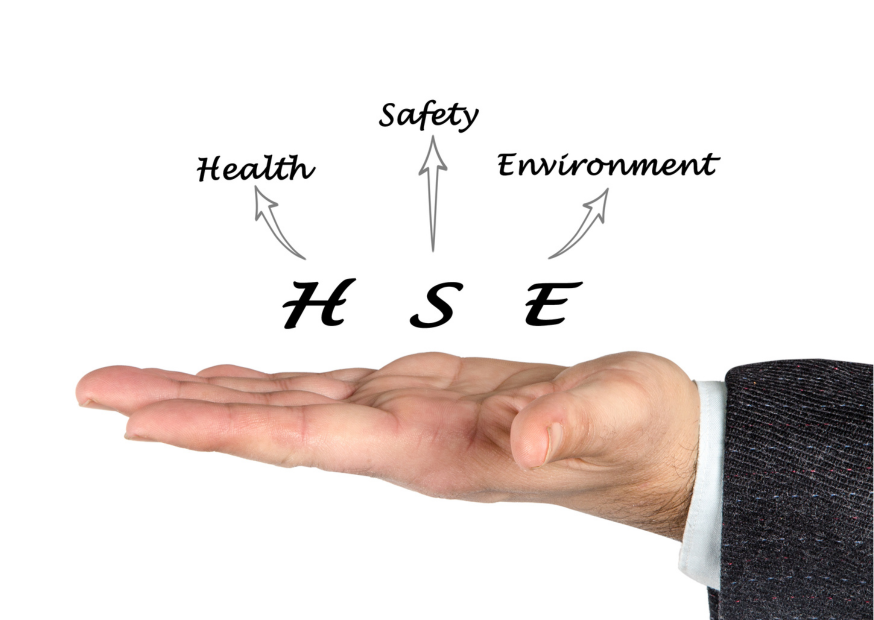
HSE stands for Health, Safety, and Environment. It refers to a comprehensive management system designed to protect workers, prevent workplace accidents, and minimize environmental impacts throughout the construction process.
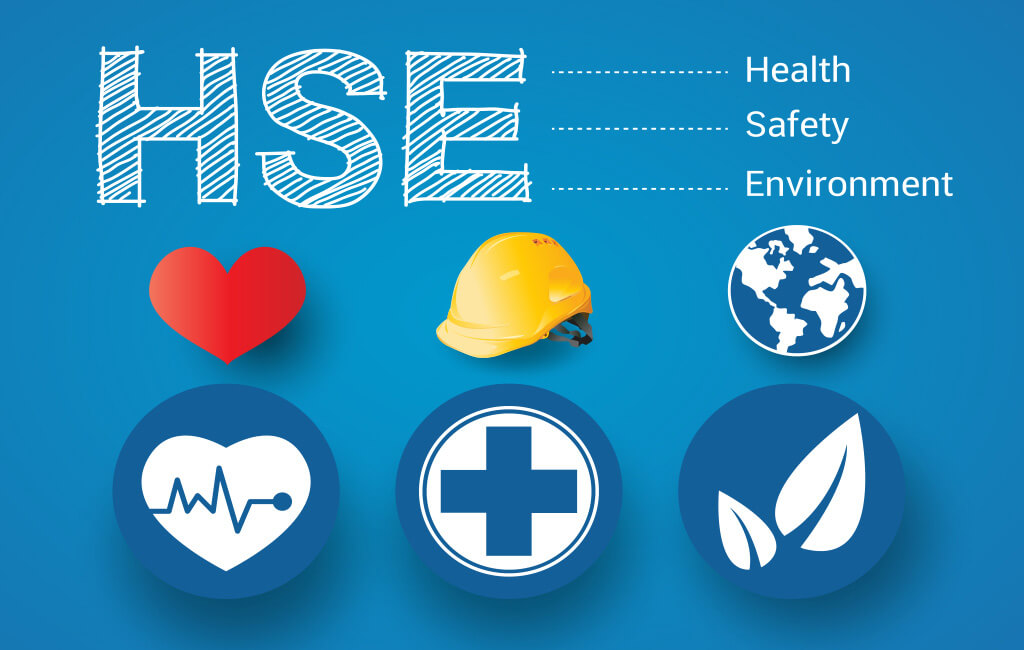
The primary objective of HSE is to create a safe, healthy, and environmentally responsible workplace while ensuring compliance with legal regulations and industry standards. HSE consists of three core elements:
Health – Occupational Health Protection
Occupational health focuses on protecting workers from illnesses, injuries, and long-term health risks associated with construction activities.
Key measures include:
- Periodic health examinations.
- Monitoring workplace conditions.
- Controlling exposure to dust, noise, vibration, and hazardous substances.
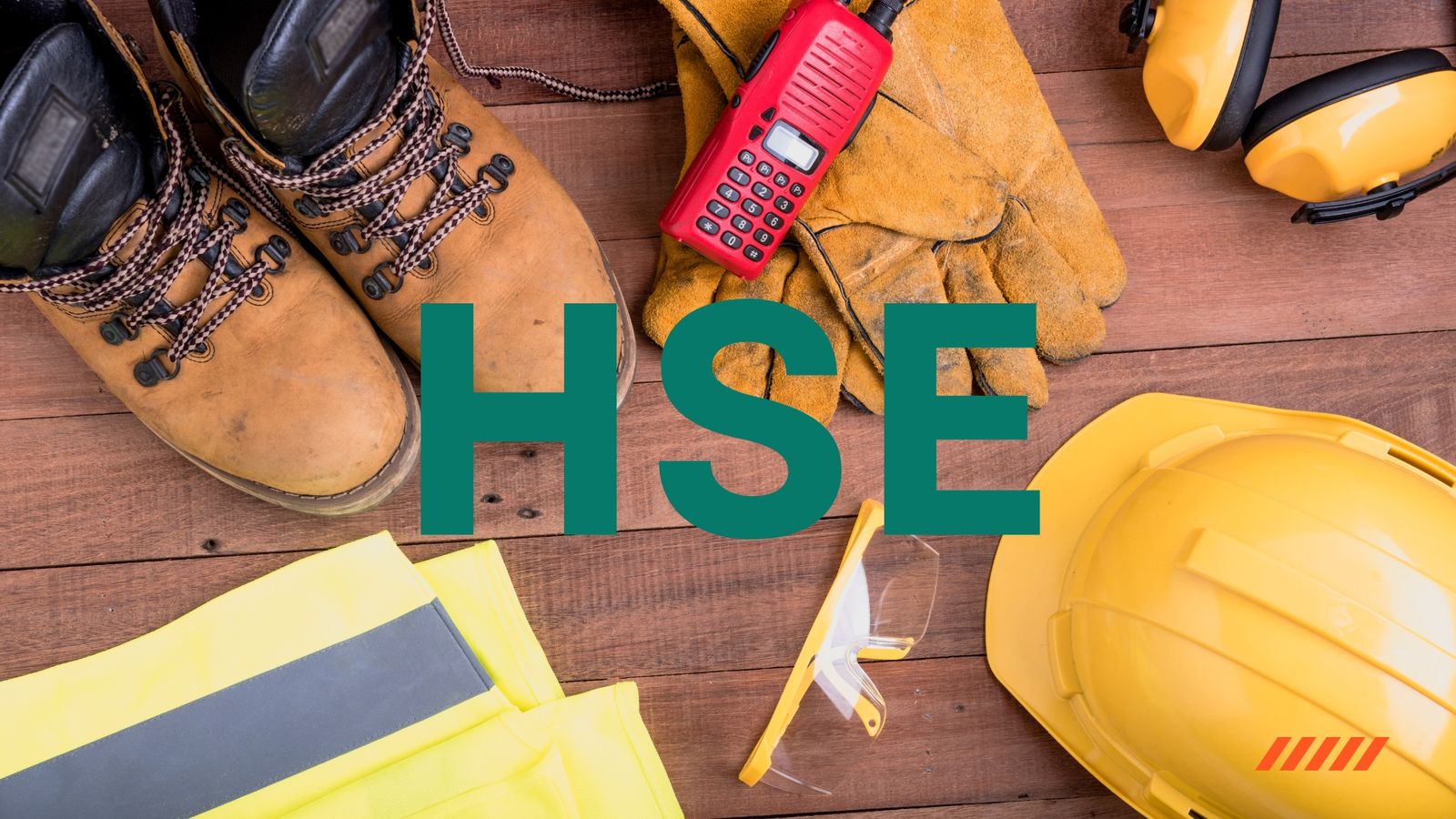
- Providing appropriate personal protective equipment (PPE).
- Preventing occupational diseases.
A healthy workforce contributes directly to higher productivity, improved morale, and reduced absenteeism.
Safety – Workplace Safety Management
Safety is often considered the most critical component of HSE in construction. It involves identifying potential hazards and implementing preventive measures to eliminate or reduce risks before incidents occur. Safety management typically includes:
- Hazard identification.
- Risk assessment.
- Development of safe work procedures.
- Safety training programs.
- Site inspections and monitoring.
- Emergency preparedness planning.
The ultimate goal is to ensure that every worker returns home safely at the end of each workday.
Environment – Environmental Protection
Construction activities can significantly affect surrounding communities and ecosystems if not properly managed. Environmental management focuses on minimizing negative impacts through:
- Dust control measures.
- Noise reduction programs.
- Construction waste management.
- Wastewater treatment.
- Energy conservation practices.
- Compliance with environmental regulations.
Effective environmental management not only protects the ecosystem but also enhances corporate responsibility and public trust.
>> SEE MORE: Warehouse Design Standards for Ensuring Cargo Safety
Why Is HSE in Construction Becoming Increasingly Important?
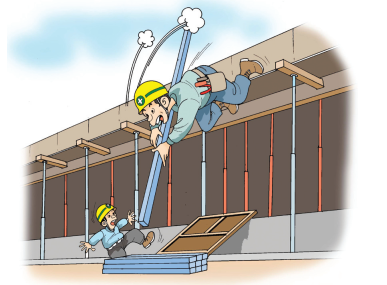
Construction remains one of the highest-risk industries worldwide. Workers are regularly exposed to hazards such as:
- Working at heights.
- Falling objects.
- Electrical accidents.
- Heavy equipment operations.
- Structural collapses.
- Fire and explosion risks.
- Confined space hazards.
Without proper HSE controls, these risks can result in severe consequences, including:
- Serious injuries or fatalities.
- Project delays.
- Increased operational costs.
- Legal penalties.
- Reputational damage.
- Reduced workforce morale.
As construction projects become larger and more complex, implementing an effective HSE system is no longer optional it is a necessity.

The Role of HSE in Construction Projects
Protecting Workers’ Health and Safety
Employees are the most valuable asset of any construction company. A well-implemented HSE program helps protect workers from accidents, injuries, and occupational illnesses while promoting a culture of safety throughout the organization.
Ensuring Project Continuity
Workplace accidents often lead to project interruptions, investigations, and corrective actions that can significantly affect schedules. By proactively managing risks, HSE helps maintain smooth project execution and minimizes unexpected delays.
Improving Construction Quality
Safe and organized workplaces enable workers to perform their tasks more effectively and accurately. Reduced stress and fewer disruptions contribute directly to improved workmanship and higher construction quality.
Reducing Financial Losses
The cost of preventing accidents is generally far lower than the cost of responding to them. Investing in HSE can help companies avoid:
- Medical expenses.
- Compensation claims.
- Equipment damage.
- Project delays.
- Regulatory fines.
As a result, HSE contributes to better financial performance and project profitability.
Enhancing Corporate Reputation
Today, many clients, investors, and multinational corporations require contractors to demonstrate strong HSE performance before awarding projects. A robust HSE management system strengthens credibility and increases competitiveness in the construction market.

Legal Requirements Related to HSE in Construction
Compliance with legal and regulatory requirements is a fundamental aspect of HSE implementation. Construction companies are generally required to:
- Provide safety training for workers.
- Supply appropriate PPE.
- Conduct regular workplace inspections.
- Implement fire prevention and emergency response measures.
- Control environmental impacts.
- Maintain records of safety activities and incidents.
Failure to comply with these requirements can result in penalties, project suspension, and legal liabilities. Therefore, understanding and adhering to applicable regulations is a key responsibility of both project owners and contractors.
HSE Implementation Process in Construction
Successful HSE management requires a systematic approach.
Hazard Identification
The first step is identifying potential hazards that may threaten workers, equipment, or the environment. Common construction hazards include:
- Working at height.
- Electrical systems.
- Welding and cutting operations.
- Lifting activities.
- Moving machinery.
Risk Assessment
Once hazards have been identified, they must be evaluated based on:
- Probability of occurrence.
- Severity of consequences.
- Number of people exposed.
This process helps prioritize risk control measures.
Risk Control Measures
After assessment, appropriate controls are implemented, such as:
- Guardrails and edge protection.
- Safety nets.
- Fall-arrest systems.
- Lockout/tagout procedures.
- Traffic management plans.
- Safe work permits.
The objective is to eliminate hazards whenever possible and reduce remaining risks to acceptable levels.
Training and Awareness
Workers must receive adequate training before performing their tasks. Common training activities include:
- Site safety induction.
- Toolbox meetings.
- Emergency response drills.
- Equipment operation training.
- Specialized safety certifications.
Continuous education helps maintain a strong safety culture across the project.
Monitoring and Continuous Improvement
HSE performance should be monitored regularly through:
- Site inspections.
- Safety audits.
- Incident investigations.
- Performance reviews.
Continuous improvement ensures that safety standards evolve alongside project requirements.
>> SEE MORE: Modern Office Design Ideas for Manufacturing Businesses
Essential HSE Equipment on Construction Sites
Proper safety equipment plays a vital role in protecting workers.
Personal Protective Equipment (PPE)
Common PPE includes:
- Safety helmets.
- Safety footwear.
- Protective gloves.
- Safety glasses.
- Reflective vests.
- Fall-protection harnesses.
Fire Protection Equipment
Construction sites should be equipped with:
- Fire extinguishers.
- Fire hose systems.
- Smoke detectors.
- Emergency alarms.
First Aid Facilities
Every project should provide:
- First aid kits.
- Emergency medical supplies.
- Trained first aid personnel.
Safety Signage and Barriers
Visual warnings help prevent accidents by clearly identifying hazards and restricted areas.
HSE in Industrial Construction and Factory Projects
Industrial projects such as factories, warehouses, steel structures, and manufacturing facilities present additional safety challenges.
These projects often involve:
- Heavy lifting operations.
- Structural steel erection.
- Hot work activities.
- Working at significant heights.
- Construction within active production facilities.
Effective HSE management in industrial construction requires:
- Detailed construction planning.
- Work permit systems.
- Strict supervision.
- Fire prevention measures.
- Coordination between production and construction activities.
These controls help minimize disruptions while maintaining a safe working environment.
Kien Tao Viet’s Commitment to HSE Excellence
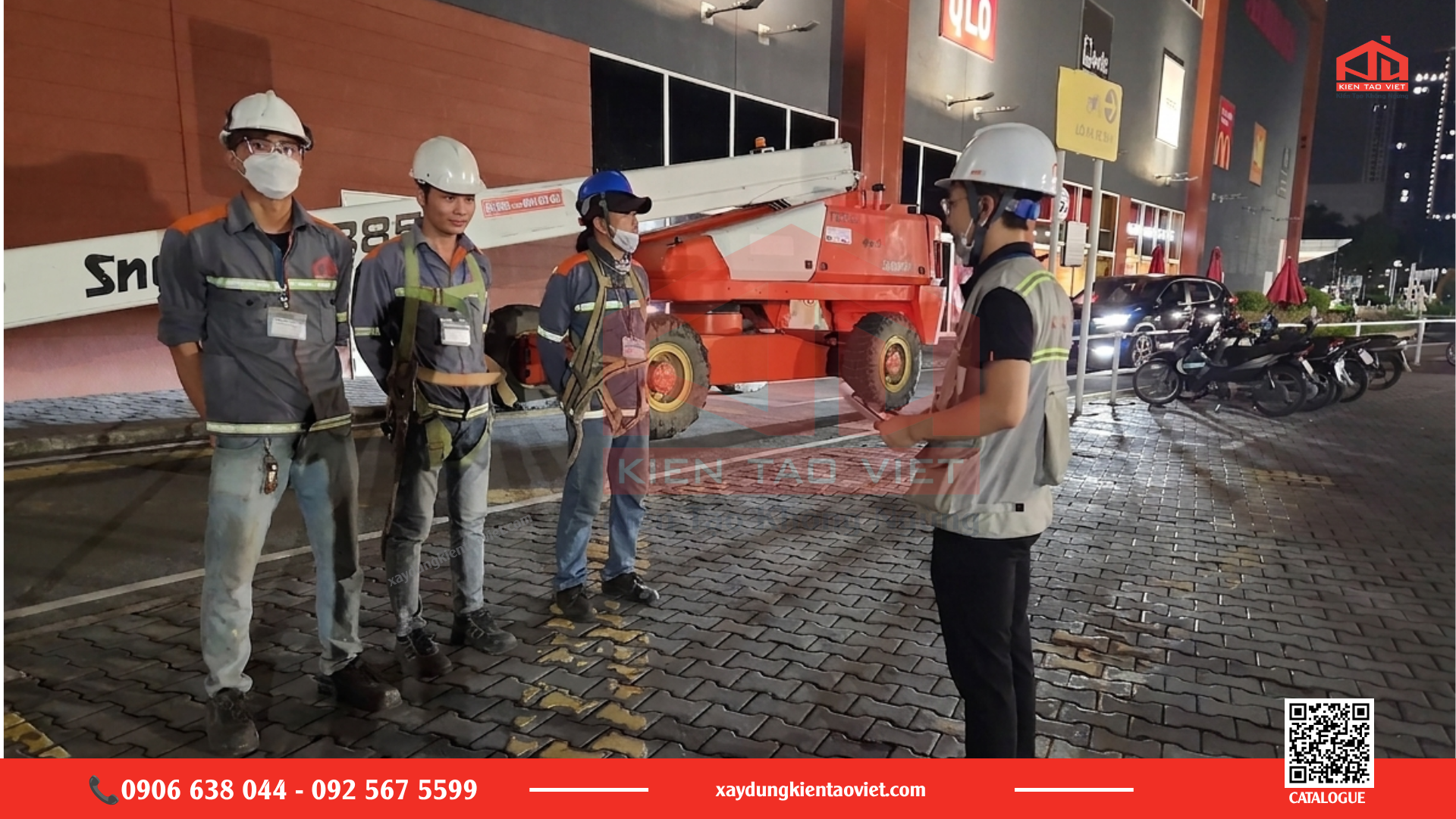
With more than 15 years of experience in industrial construction, factory renovation, steel structure installation, and warehouse development, Kien Tao Viet places HSE at the center of every project.
Our HSE practices include:
- Comprehensive safety planning.
- Worker safety training programs.
- Daily toolbox meetings.
- Site inspections and audits.
- Fire prevention and emergency preparedness.
- Environmental management measures.
By maintaining strict HSE standards, we ensure that projects are completed safely, efficiently, and in compliance with industry regulations.
Conclusion
HSE in construction is far more than a regulatory requirement. It is a strategic management system that protects workers, safeguards project investments, improves construction quality, and supports sustainable business growth.
By integrating health, safety, and environmental management into every stage of a project, construction companies can significantly reduce risks, improve operational efficiency, and build stronger relationships with clients and stakeholders.
For industrial construction, factory renovation, warehouse development, and steel structure projects, implementing a robust HSE program is one of the most effective ways to ensure long-term success and operational excellence.

Blog mới nhất
Hồ sơ an toàn nhà thầu: Chuẩn bị gì trước khi thi công tại nhà máy?
Hồ sơ an toàn nhà thầu cần thể hiện công việc sẽ làm, người chịu trách nhiệm, mối nguy đã nhận diện và biện pháp kiểm soát tương ứng. Doanh nghiệp nên xác định yêu cầu hồ sơ theo phạm vi thi công và điều kiện cơ sở, thay vì sử dụng một bộ tài […]
Kế hoạch cải tạo hạ tầng nhà máy theo từng giai đoạn
Kế hoạch cải tạo hạ tầng nhà máy nên xác định rõ hiện trạng, nhu cầu vận hành, mức độ ưu tiên và điều kiện triển khai của từng hạng mục. Doanh nghiệp cần thống nhất phạm vi, ngân sách, lịch phối hợp với sản xuất và tiêu chí bàn giao trước khi huy động […]

Thi công bảng hiệu nhà máy tại TP.HCM | Kiến Tạo Việt
Thi công bảng hiệu nhà máy cần bắt đầu từ vị trí lắp đặt, mục đích nhận diện và điều kiện tiếp cận công trình. Doanh nghiệp nên chốt nội dung, kích thước, vật liệu, phương án chiếu sáng, trách nhiệm lắp đặt và tiêu chí nghiệm thu trước khi gia công. Một thiết kế […]
Chi phí cải tạo văn phòng: Cách lập dự toán và kiểm soát phát sinh
Chi phí cải tạo văn phòng không thể xác định chính xác phân tích chính xác. Doanh nghiệp cần biết hiện trạng mặt bằng, các hạng mục phải làm, vật liệu lựa chọn và điều kiện tổ chức thi công. Một báo giá hữu ích phải thể hiện khối lượng, cung cấp phạm vi, loại […]
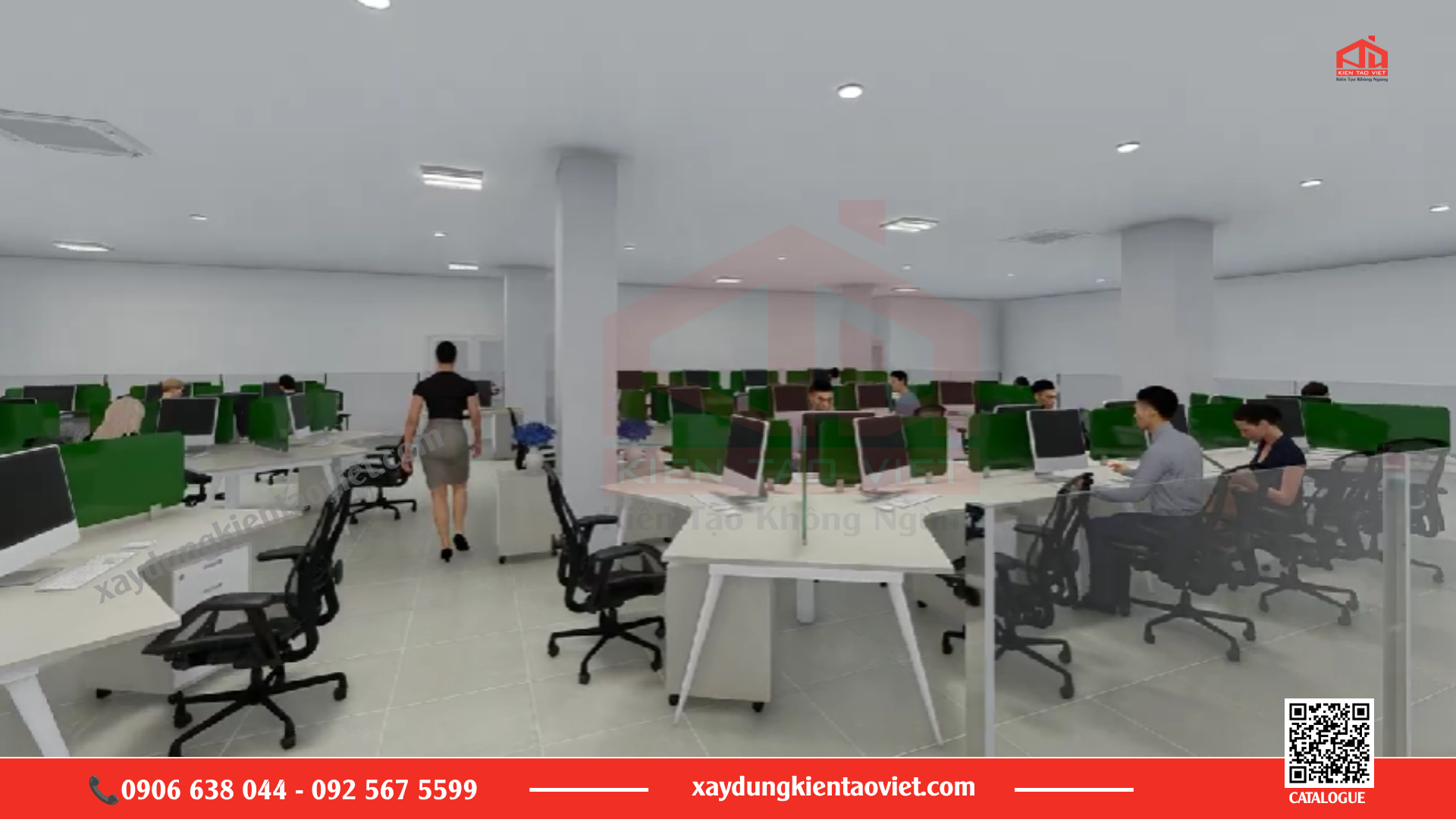
Cải Tạo Văn Phòng Tại Củ Chi Trọn Gói
Nhiều nhà máy và kho bãi tại Củ Chi đang gặp tình trạng văn phòng cũ thiếu diện tích, bố trí bất hợp lý, hệ thống kỹ thuật xuống cấp. Cải tạo văn phòng tại Củ Chi giúp doanh nghiệp tận dụng mặt bằng sẵn có, tái cấu trúc công năng, tiết kiệm thời gian […]
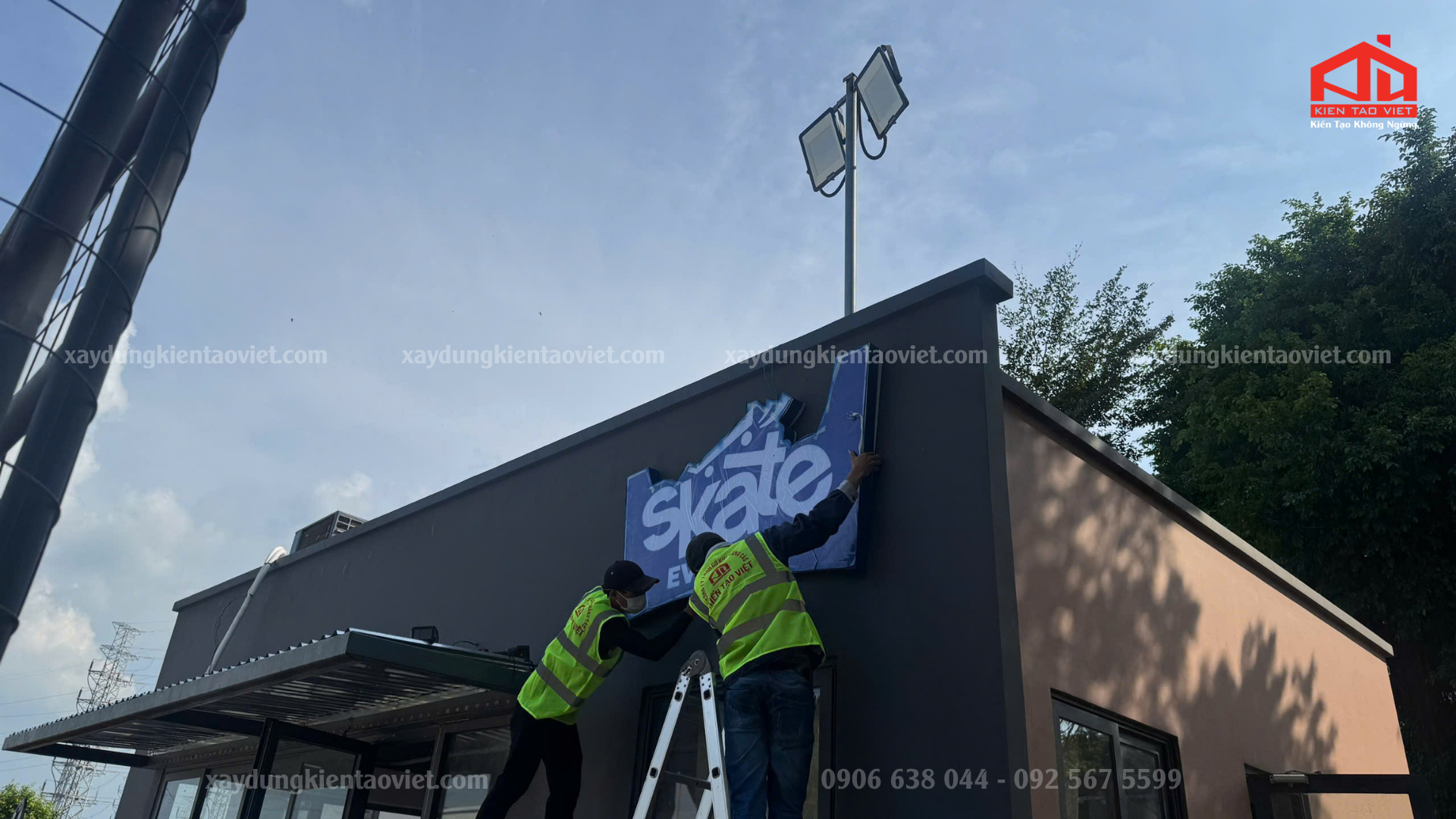
An toàn lắp đặt bảng hiệu trên cao: Doanh nghiệp cần phối hợp những gì?
An toàn lắp đặt bảng hiệu trên cao cần được chuẩn bị trước khi huy động đội thi công. Doanh nghiệp và nhà thầu phải làm rõ vị trí, cách tiếp cận, nhân sự, thiết bị, hoạt động bên dưới và điều kiện triển khai. Phương án phải do người có chuyên môn xem xét; […]
-
Vì sao lắp đặt mái che di động trở thành xu hướng những năm gần đây
-
Những điều cần biết về lắp đặt mái che di động 2026
-
Những điều cần biết khi chọn nhà thầu xây dựng nhà thép tiền chế 2026
-

07 Tiêu chí chọn nhà thầu xây dựng – cải tạo nhà xưởng uy tín 2026
-

Cải tạo văn phòng doanh nghiệp 2026: Những điều cần biết