Industrial Construction is a field that requires close coordination between multiple stages, including design, construction, workforce management, schedule control, and quality assurance. A small mistake at any stage can lead to additional costs, extended construction timelines, or directly affect the investment efficiency of a business.
In reality, industrial construction projects often face various risks such as workplace safety issues, material price fluctuations, labor shortages, design changes, and legal challenges. If these risks are not identified and controlled early, they can create significant impacts on the entire project.
So, what are the most common risks in industrial construction, and what should businesses do to minimize them? Let’s explore with Kien Tao Viet in the following article.
Why Is Risk Management in Industrial Construction Important?
Unlike conventional civil construction projects, Industrial Construction projects typically involve large-scale developments, long construction periods, and the participation of multiple parties, including investors, design consultants, main contractors, subcontractors, and material suppliers.
Therefore, a lack of coordination in just one stage can affect the entire project timeline. A minor design modification, delayed material supply, or shortage of skilled workers can result in additional expenses and extend the completion schedule.
Effective risk management not only helps businesses proactively handle unexpected situations but also contributes to maintaining construction quality, controlling budgets, ensuring project progress, and improving safety throughout the construction process.
Especially as many companies are increasing investments in factories, warehouses, and production facilities, establishing a comprehensive risk management plan has become a critical factor in improving project efficiency.
8 Common Risks in Industrial Construction
1. Occupational Safety Risks
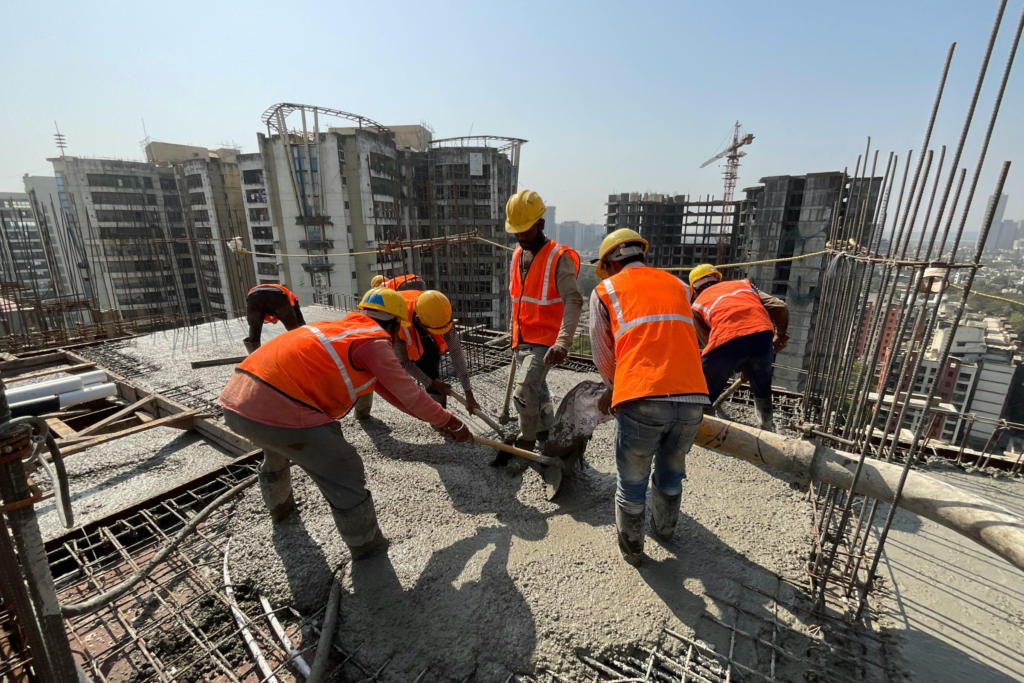
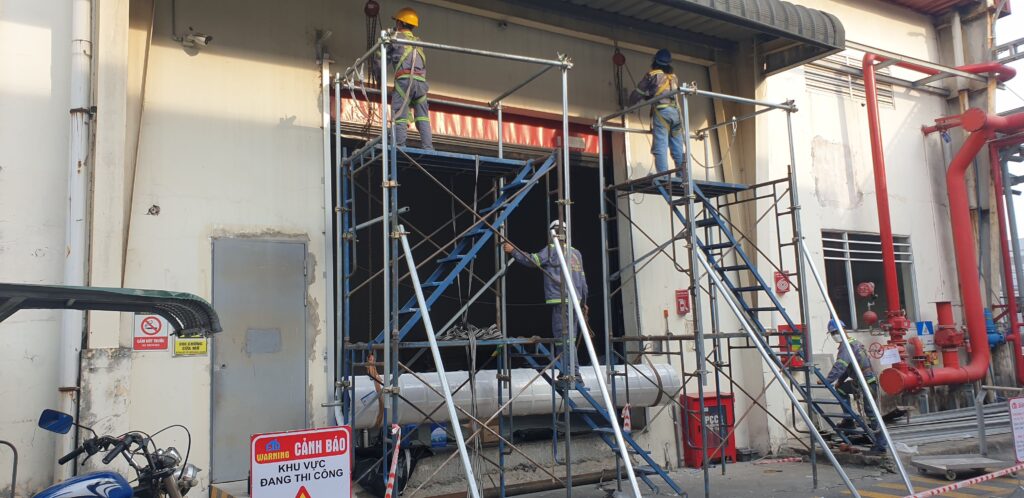
Workplace safety is always the top priority in every Industrial Construction project. Construction sites often involve a large number of workers, heavy equipment, and complex machinery, creating potential hazards if safety management is not strictly implemented.
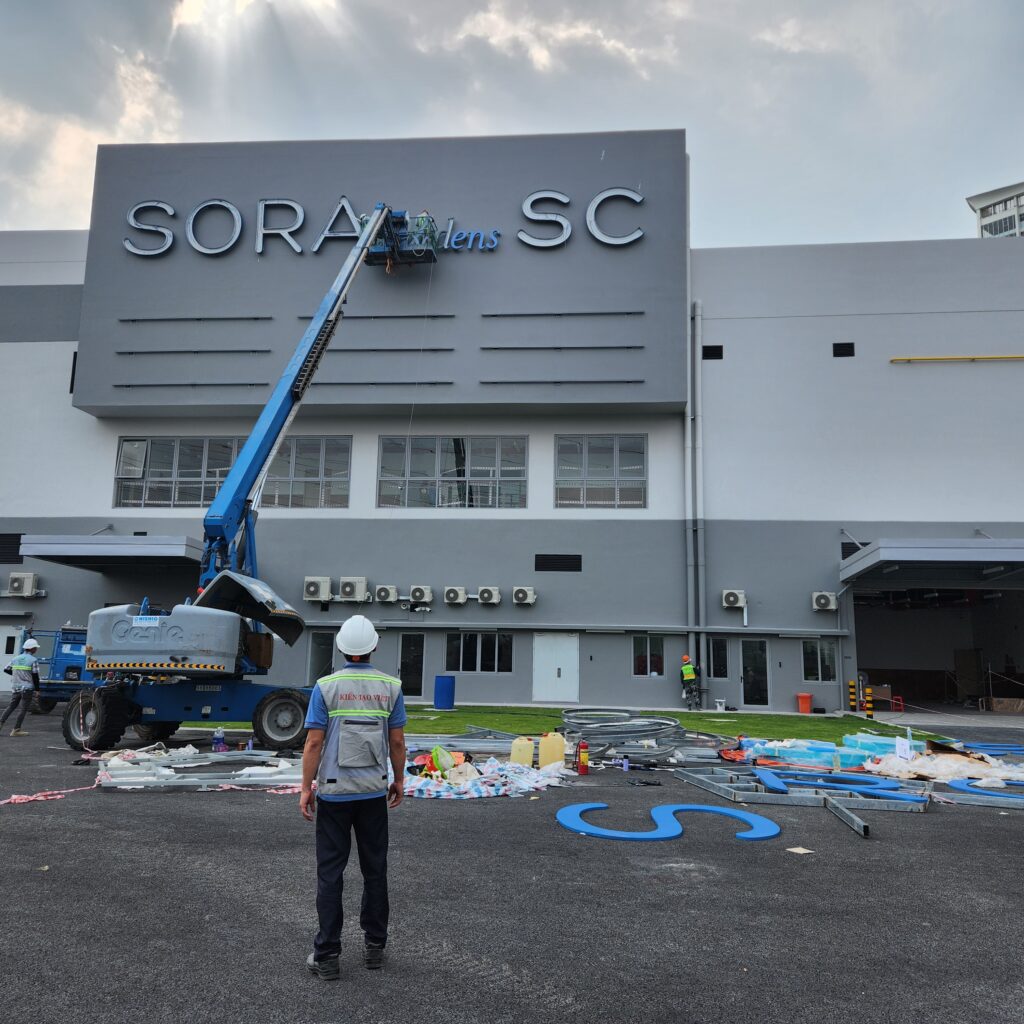
Common incidents such as falls from heights, electric shocks, machinery collisions, scaffolding failures, or falling materials can cause serious consequences, affecting workers’ health and disrupting construction activities.
In addition, inadequate protective equipment, failure to follow safety procedures, or insufficient worker training can significantly increase the risk of accidents at construction sites.
Prevention Solutions
– Provide complete personal protective equipment that meets safety standards.
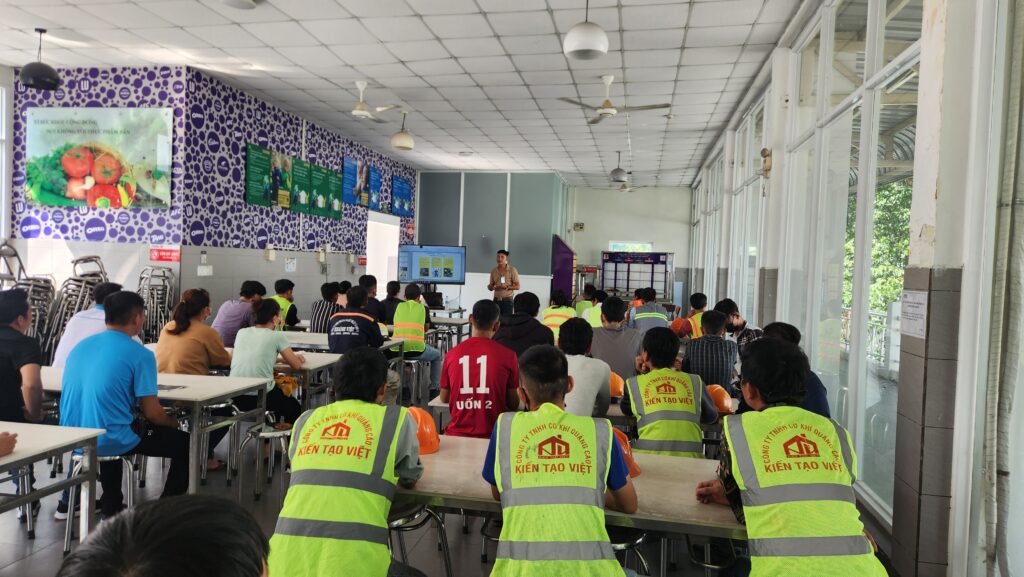
– Organize regular occupational safety training for all employees.
– Establish daily site inspection procedures.
– Assign safety supervisors throughout the construction process.
– Regularly inspect and maintain machinery and equipment.
Note: Building a strong safety culture within the organization can significantly reduce incidents and improve the overall productivity of the workforce.
2. Construction Schedule Risks
Project timeline is one of the key factors determining the success of an industrial construction project. However, many projects experience delays due to unrealistic planning or unexpected issues arising during implementation.
Common causes include material shortages, unfavorable weather conditions, design modifications, delayed site clearance, or ineffective coordination among project stakeholders.
When construction progress is affected, businesses may face additional expenses and the risk of delaying the operation of the facility, reducing overall investment efficiency.
Prevention Solutions
– Develop a detailed construction schedule for each project phase.
– Prepare contingency plans for unexpected situations.
– Monitor progress through project management software.
– Maintain regular communication between investors, designers, and contractors.
– Closely control material and equipment supply sources.
3. Cost and Financial Risks
Besides project timelines, cost control is another major challenge in Industrial Construction. Many projects experience budget overruns due to fluctuations in material prices, changes in workload, or ineffective financial management.
Additionally, delayed payments, insufficient working capital, or inaccurate initial estimates can create difficulties during project execution.
Without proper control, these additional expenses can directly affect business profitability and the ability to complete the project according to the original plan.
Prevention Solutions
– Prepare detailed cost estimates from the project preparation stage.
– Allocate contingency budgets for unexpected expenses.
– Regularly monitor cash flow and payment schedules.
– Update material price fluctuations to develop suitable adjustment plans.
– Clearly define payment terms and price adjustment conditions in contracts.
4. Human Resources and Construction Capacity Risks
Human resources are one of the key factors directly affecting the quality and progress of an Industrial Construction project. A shortage of skilled workers, frequent workforce changes, or insufficient training can reduce construction efficiency and increase the possibility of errors during implementation.
In addition, ineffective work allocation or poor coordination between construction teams can negatively impact the progress of individual project components. This not only extends the construction timeline but also increases labor and management costs.
For large-scale projects such as factories, warehouses, and production facilities, maintaining a skilled and experienced technical team is essential to ensure that the project is completed according to the planned schedule.
Prevention Solutions
– Develop a recruitment and training plan from the beginning of the project.
– Allocate appropriate human resources for each construction stage.
– Improve employee benefits to retain skilled workers.
– Enhance technical and occupational safety training programs regularly.
– Apply technology solutions in workforce management to improve productivity.
5. Design and Technical Solution Risks
An inconsistent or insufficiently reviewed design can create many challenges during the construction process. Differences between architectural drawings, structural designs, and technical systems may require contractors to make adjustments or reconstruct certain parts, resulting in increased costs and extended project completion time.
Furthermore, inadequate site surveys or inaccurate assessments of geological conditions can affect the foundation system and the overall load-bearing capacity of the structure.
In many cases, design changes that occur after construction has started can not only interrupt the project schedule but also affect material supply plans and investment budgets.
Prevention Solutions
– Conduct detailed site surveys and geological assessments before the design stage.
– Review and verify technical drawings before construction begins.
– Ensure close coordination between designers, investors, and contractors.
– Apply BIM modeling or simulation technologies to identify technical conflicts early.
– Minimize design changes once the construction phase has started.
6. Legal and Contract Risks
Legal issues can create significant challenges if they are not carefully prepared from the beginning of an Industrial Construction project. Missing construction permits, incomplete documentation, or unclear contracts may cause project delays or lead to disputes between involved parties.
Additionally, disagreements regarding project scope, payment schedules, or responsibilities among stakeholders are common causes that negatively affect construction progress.
Fully complying with legal regulations not only helps businesses minimize risks but also creates a strong foundation for smooth and efficient project implementation.
Prevention Solutions
– Complete all necessary legal documents and construction permits before starting the project.
– Prepare clear contracts defining work scope, schedules, and responsibilities of each party.
– Verify the legal status of contractors, suppliers, and related partners.
– Consult legal experts for large-scale and complex projects.
– Regularly update new regulations related to the construction industry.
7. Material and Construction Equipment Risks
Materials and equipment play an important role in determining the quality, durability, and lifespan of a construction project. Using substandard materials or poorly maintained machinery can lead to various problems during the construction process.
In addition, fluctuations in raw material prices or disruptions in the supply chain can make it difficult for businesses to control project costs and maintain construction schedules.
For Industrial Construction projects, where high requirements for structural strength and durability are essential, selecting high-quality materials is always a top priority.
Prevention Solutions
– Choose reliable suppliers with clear material origins.
– Inspect material quality before installation and use.
– Develop appropriate procurement plans to reduce the impact of price fluctuations.
– Maintain machinery and equipment regularly to ensure stable operation.
– Prepare backup plans for critical materials and equipment.
8. Environmental and Weather Condition Risks
Natural factors such as heavy rain, storms, prolonged heat waves, or flooding can interrupt construction activities and affect the quality of the completed structure.
Furthermore, industrial construction activities may also impact the surrounding environment if they are not properly controlled. Dust, noise, wastewater, and construction waste can affect nearby areas and create potential legal issues.
Therefore, proactively developing weather response plans and implementing environmental protection measures are essential requirements for every construction project.
Prevention Solutions
– Monitor weather forecasts to adjust construction plans accordingly.
– Arrange safe storage areas for materials during rainy and stormy seasons.
– Implement measures to control dust, noise, and wastewater.
– Conduct environmental impact assessments according to regulations.
– Purchase construction insurance for large-scale projects or projects with high potential risks.
>> Read more: Costly Mistakes in Factory Construction That Cost Businesses Millions
Solutions to Minimize Risks in Industrial Construction
Although risks cannot be completely eliminated during the construction process, businesses can significantly reduce their impact by establishing a comprehensive management plan from the beginning.
Develop a Detailed Project Plan
A clear plan covering timeline, resources, budget, and responsibilities of each department helps ensure systematic project implementation. It also creates favorable conditions for monitoring progress and handling unexpected issues effectively.
Strengthen Coordination Between Stakeholders
Close cooperation between investors, design consultants, contractors, and suppliers ensures that information is communicated quickly, reduces errors, and minimizes unnecessary adjustments during construction.
Apply Technology in Project Management
Project management software, BIM models, and real-time progress monitoring systems allow businesses to better control quality, schedule, and costs. These technologies also help identify potential risks at an early stage.
Control Quality from the Beginning
Inspecting materials, accepting completed work items, and closely supervising construction procedures contribute to improving project quality while reducing repair and maintenance costs in the future.
Proactively Prepare Contingency Plans
Preparing backup budgets, workforce resources, equipment, and response scenarios enables businesses to handle unexpected situations effectively, minimizing impacts on project progress and overall efficiency.
>> Read more: What Is a Toolbox Meeting (TBM)? Why Is It Important in Construction?
Why Choose Kien Tao Viet for Industrial Construction Projects?
In the field of Industrial Construction, choosing the right contractor not only affects the quality of the project but also determines the ability to control schedule, costs, and risks throughout the implementation process.
With years of experience in designing and constructing industrial projects, Kien Tao Viet provides comprehensive solutions that help businesses develop factories, warehouses, and production facilities efficiently, safely, and sustainably.
Extensive Experience with Various Industrial Projects
Kien Tao Viet has participated in numerous Industrial Construction projects with different scales and requirements, ranging from manufacturing factories, storage warehouses, to supporting facilities in industrial zones.
Practical experience enables our technical team to accurately evaluate project conditions, identify potential risks early, and propose suitable construction solutions for each specific requirement.
Strict Project Management Process
Every project is implemented through a clear process, including site surveys, design, planning, construction, inspection, and final handover.
Assigning specific responsibilities to each department helps minimize errors, improve coordination efficiency, and maintain effective control over the construction schedule.
Comprehensive Quality Control
Kien Tao Viet focuses on quality control throughout every stage, from selecting materials, fabricating structures, conducting construction activities, to inspecting and accepting each completed component.
This approach ensures that projects achieve high durability, meet technical requirements, and minimize future repair and maintenance costs.
Prioritizing Occupational Safety
Safety is always considered a top priority in every Industrial Construction project. Our construction teams receive regular training on safety procedures, use proper protective equipment, and strictly comply with regulations at construction sites.
As a result, businesses can have greater confidence in the safety standards and professionalism throughout the project implementation process.
Long-Term Partnership with Businesses
Beyond construction services, Kien Tao Viet continues to support customers through maintenance, upgrades, and consulting solutions for future expansion needs as businesses develop their production capabilities.
Frequently Asked Questions (FAQ)
1. What are the most common risks in Industrial Construction?
The most common risks include construction delays, occupational safety issues, unexpected costs, design errors, and material price fluctuations. These factors can directly affect project investment efficiency if they are not identified and controlled early.
2. How can businesses minimize additional costs during factory construction?
Businesses should prepare detailed cost estimates, conduct thorough site surveys, clearly define project scope, and allocate contingency budgets for unexpected situations.
In addition, regularly monitoring construction progress and cash flow helps businesses make timely adjustments and maintain financial control throughout the project.
3. Should businesses hire a separate project management unit?
For large-scale Industrial Construction projects or developments involving multiple complex components, hiring a professional project management unit can help businesses better control schedule, quality, costs, and coordination among stakeholders.
4. How often should construction quality be inspected during the project?
Quality inspections should be carried out regularly throughout each construction stage, especially before moving to the next phase.
Continuous quality control helps identify potential issues early, reduce correction costs, and ensure that the project meets technical requirements.
5. Does Kien Tao Viet provide turnkey Industrial Construction services?
Yes. Kien Tao Viet provides comprehensive turnkey solutions for Industrial Construction projects, including site surveys, consulting, design, construction, progress management, and final project handover according to business requirements.
Conclusion
Industrial Construction projects always involve potential risks related to occupational safety, project schedules, costs, legal requirements, design, materials, and environmental conditions. However, most of these risks can be effectively controlled when businesses proactively identify potential challenges and develop appropriate risk management plans.
Choosing an experienced construction partner with a professional management process and strong quality control capabilities will help businesses improve project efficiency, minimize unexpected issues, and ensure that construction goals are achieved as planned.
If your business is looking for a safe, cost-effective, and reliable Industrial Construction solution, Kien Tao Viet is ready to accompany you from the initial survey and consultation stages to construction and final handover.
Blog mới nhất
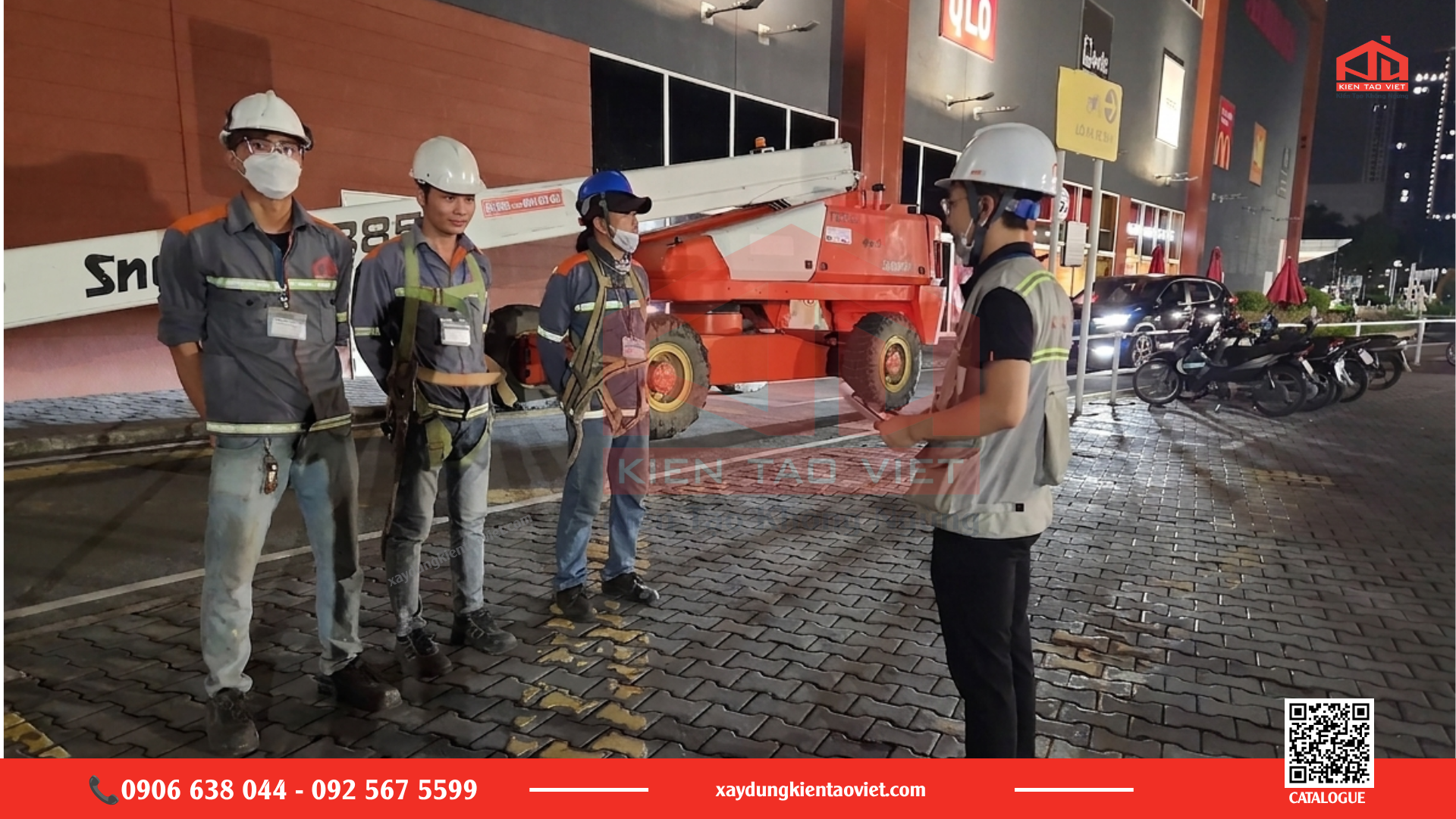
Hồ sơ an toàn nhà thầu: Chuẩn bị gì trước khi thi công tại nhà máy?
Hồ sơ an toàn nhà thầu cần thể hiện công việc sẽ làm, người chịu trách nhiệm, mối nguy đã nhận diện và biện pháp kiểm soát tương ứng. Doanh nghiệp nên xác định yêu cầu hồ sơ theo phạm vi thi công và điều kiện cơ sở, thay vì sử dụng một bộ tài […]
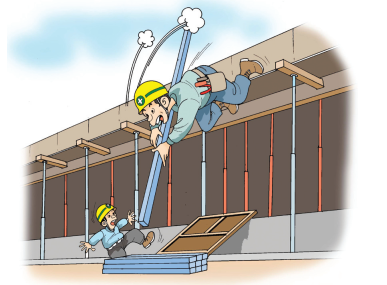
Kế hoạch cải tạo hạ tầng nhà máy theo từng giai đoạn
Kế hoạch cải tạo hạ tầng nhà máy nên xác định rõ hiện trạng, nhu cầu vận hành, mức độ ưu tiên và điều kiện triển khai của từng hạng mục. Doanh nghiệp cần thống nhất phạm vi, ngân sách, lịch phối hợp với sản xuất và tiêu chí bàn giao trước khi huy động […]
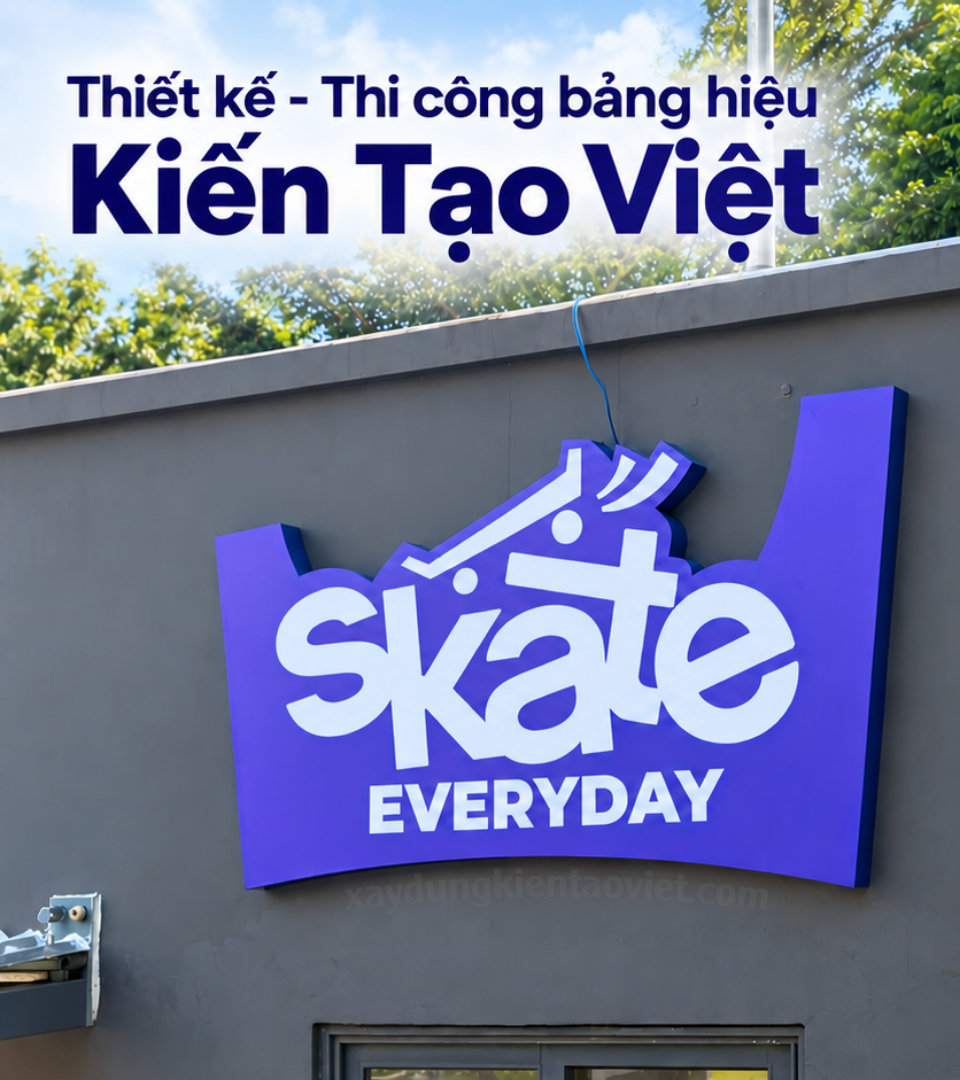
Thi công bảng hiệu nhà máy tại TP.HCM | Kiến Tạo Việt
Thi công bảng hiệu nhà máy cần bắt đầu từ vị trí lắp đặt, mục đích nhận diện và điều kiện tiếp cận công trình. Doanh nghiệp nên chốt nội dung, kích thước, vật liệu, phương án chiếu sáng, trách nhiệm lắp đặt và tiêu chí nghiệm thu trước khi gia công. Một thiết kế […]
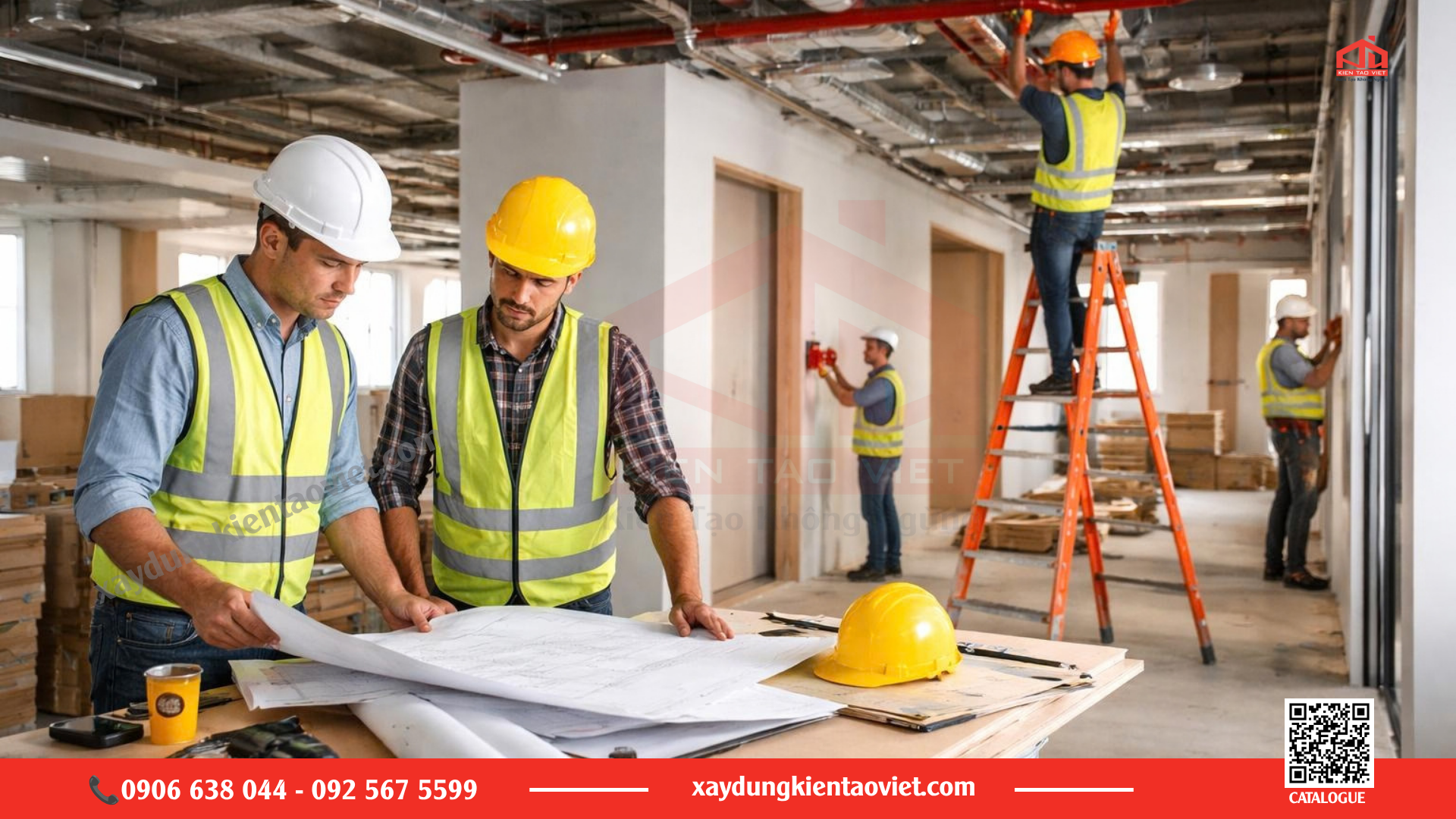
Chi phí cải tạo văn phòng: Cách lập dự toán và kiểm soát phát sinh
Chi phí cải tạo văn phòng không thể xác định chính xác phân tích chính xác. Doanh nghiệp cần biết hiện trạng mặt bằng, các hạng mục phải làm, vật liệu lựa chọn và điều kiện tổ chức thi công. Một báo giá hữu ích phải thể hiện khối lượng, cung cấp phạm vi, loại […]
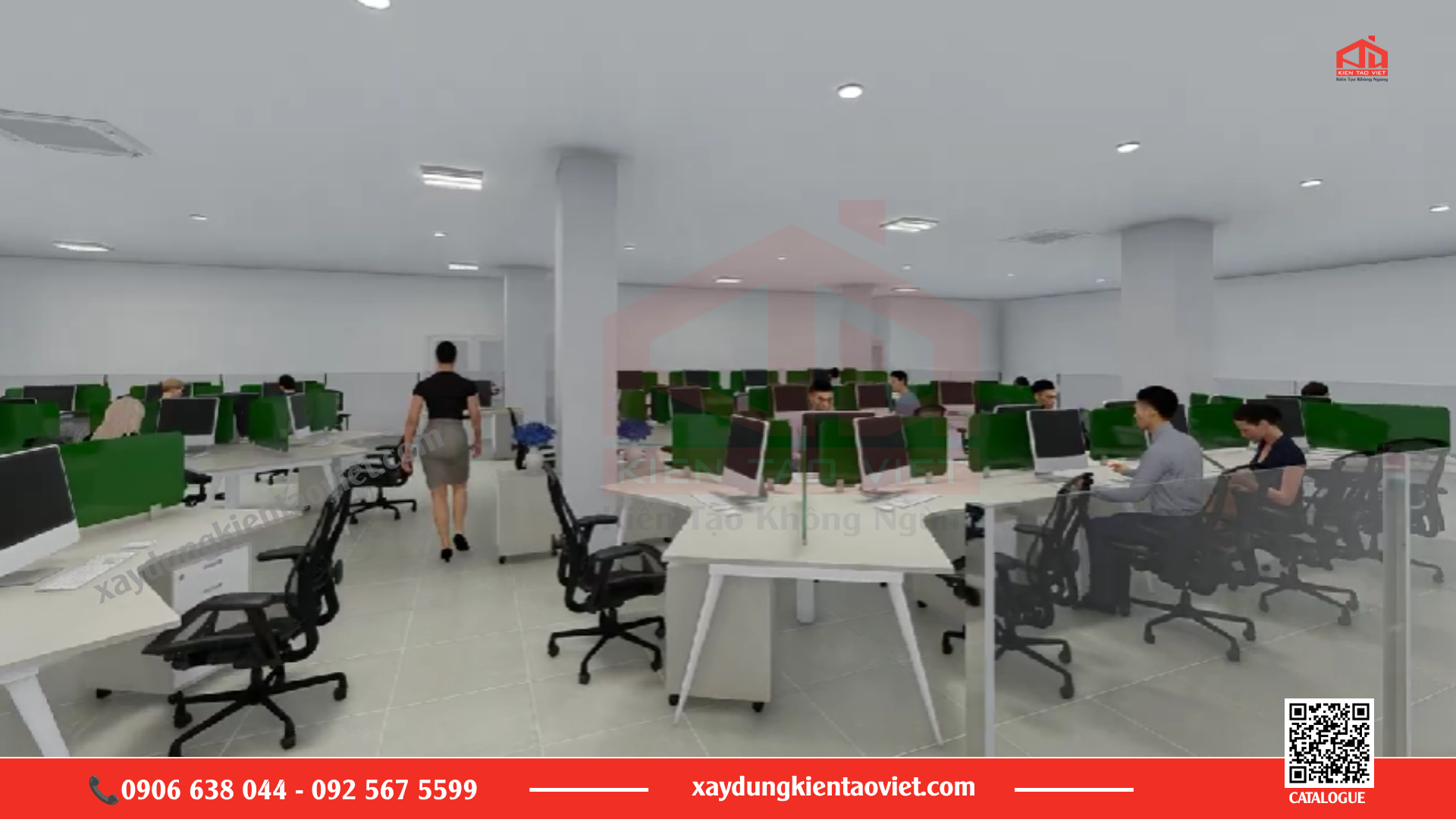
Cải Tạo Văn Phòng Tại Củ Chi Trọn Gói
Nhiều nhà máy và kho bãi tại Củ Chi đang gặp tình trạng văn phòng cũ thiếu diện tích, bố trí bất hợp lý, hệ thống kỹ thuật xuống cấp. Cải tạo văn phòng tại Củ Chi giúp doanh nghiệp tận dụng mặt bằng sẵn có, tái cấu trúc công năng, tiết kiệm thời gian […]
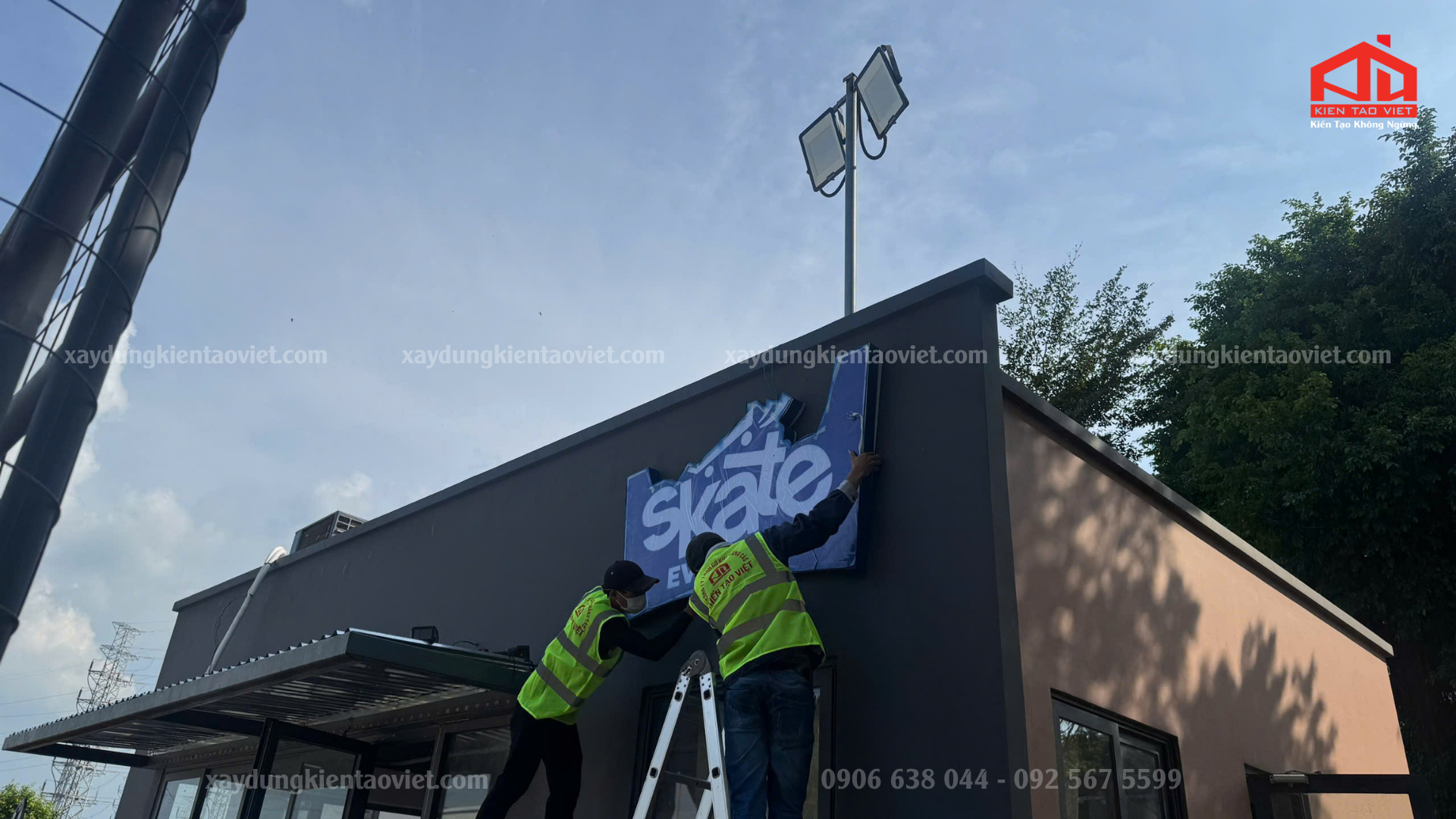
An toàn lắp đặt bảng hiệu trên cao: Doanh nghiệp cần phối hợp những gì?
An toàn lắp đặt bảng hiệu trên cao cần được chuẩn bị trước khi huy động đội thi công. Doanh nghiệp và nhà thầu phải làm rõ vị trí, cách tiếp cận, nhân sự, thiết bị, hoạt động bên dưới và điều kiện triển khai. Phương án phải do người có chuyên môn xem xét; […]
-
Vì sao lắp đặt mái che di động trở thành xu hướng những năm gần đây
-
Những điều cần biết về lắp đặt mái che di động 2026
-
Những điều cần biết khi chọn nhà thầu xây dựng nhà thép tiền chế 2026
-
07 Tiêu chí chọn nhà thầu xây dựng – cải tạo nhà xưởng uy tín 2026
-
Cải tạo văn phòng doanh nghiệp 2026: Những điều cần biết