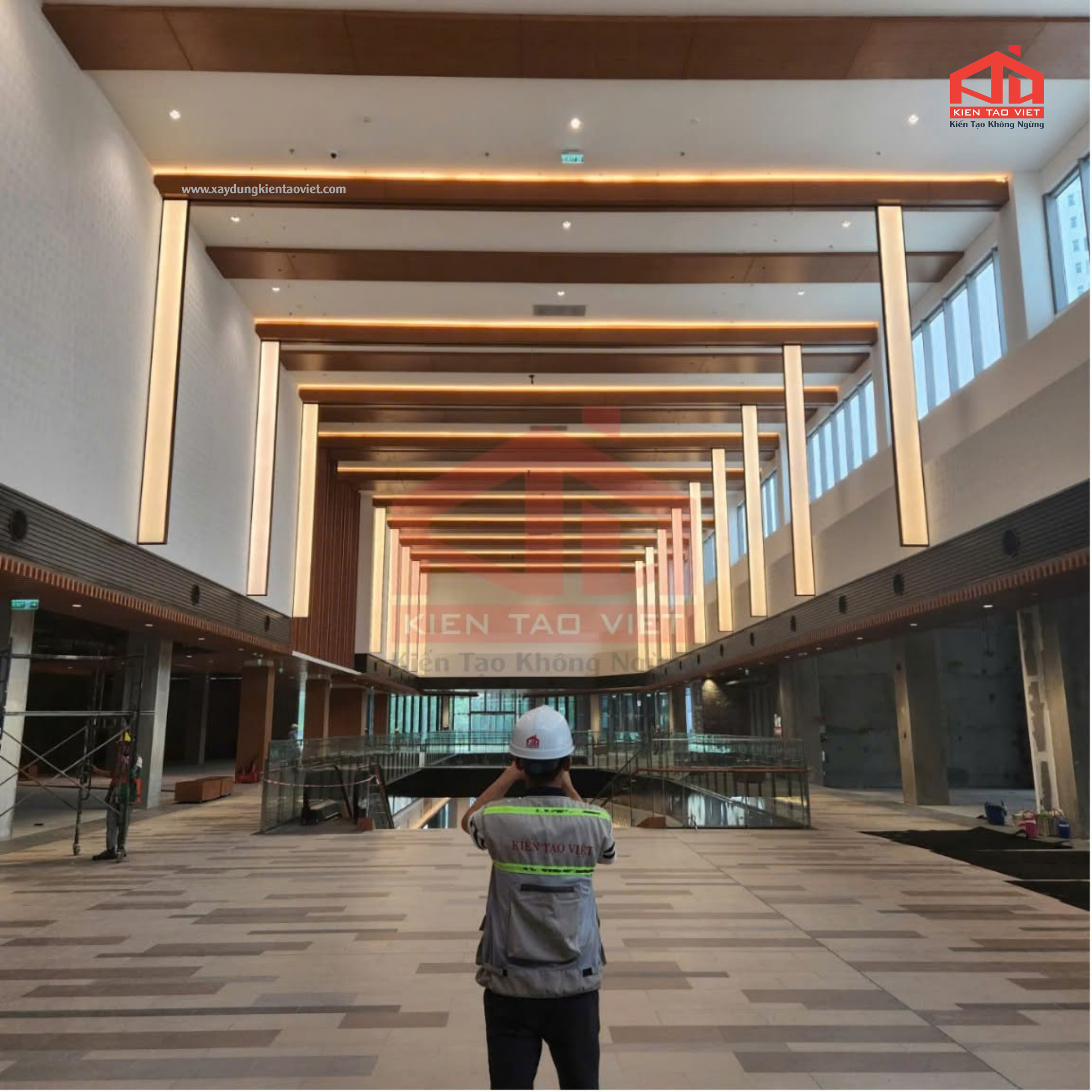
Warehouse expansion is an effective solution for businesses looking to increase production capacity without investing in a completely new facility. However, expanding a warehouse while it remains operational requires careful planning to ensure workplace safety, maintain production continuity, and optimize project costs. In this article, we explore five key considerations every business should keep in mind before starting a warehouse expansion project.
Why do businesses choose warehouse expansion?
As production demand continues to grow, existing warehouse space often becomes insufficient for daily operations. Instead of investing in a brand-new facility, many businesses choose warehouse expansion to maximize the value of their current infrastructure.
This approach offers several advantages, including:
– Increasing production and storage capacity.
– Reducing investment costs compared to building a new warehouse.
– Utilizing existing electrical, water supply, fire protection, and utility systems.
– Supporting business growth more quickly.
– Eliminating the need to relocate production facilities.
However, because the warehouse remains in operation during construction, every stage of the project must be carefully planned to avoid disrupting productivity and ensure employee safety.
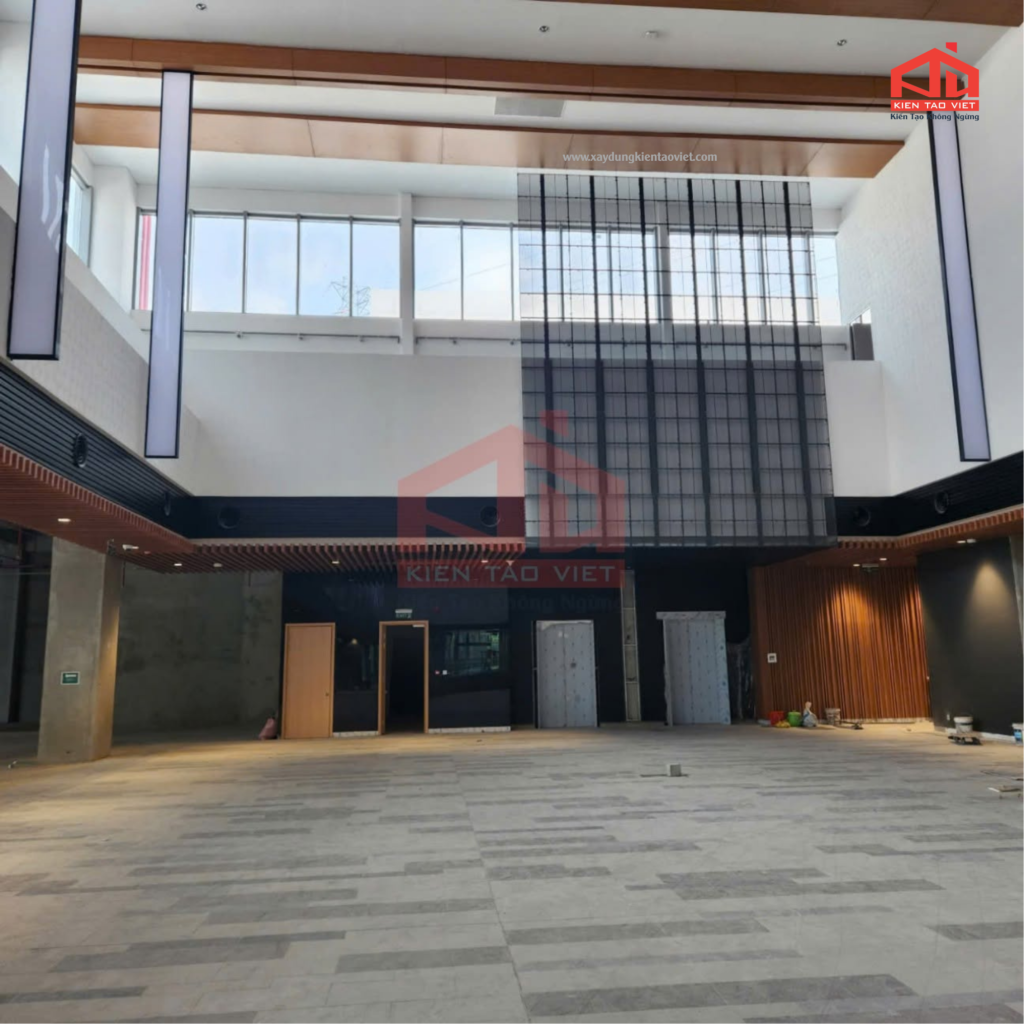
5 important considerations for expanding an operating warehouse
1. Conduct a thorough site assessment before construction
A comprehensive site assessment is the foundation of a successful warehouse expansion project.
Before construction begins, the contractor should carefully evaluate:
– The current structural condition of the warehouse.
– The load-bearing capacity of the foundation and steel framework.
– Electrical, plumbing, and ventilation systems.
– Fire protection systems.
– The company’s actual operating conditions.
A detailed assessment helps identify the most suitable expansion solution, minimizes unexpected costs, and prevents negative impacts on the existing structure.
2. Develop a construction plan that minimizes production disruption
One of the biggest challenges of warehouse expansion is carrying out construction while keeping production running smoothly.
For this reason, businesses should prepare a detailed construction plan that includes:
– Separating construction zones from production areas.
– Completing the project in carefully planned phases.
– Scheduling work during off-hours or weekends whenever possible.
– Managing access routes for employees, equipment, and vehicles.
A well-organized construction strategy helps minimize operational downtime while ensuring the project stays on schedule.
>> Read more: 5 Signs your business needs factory renovation immediately
3. Prioritize workplace safety throughout the project
Safety should always be the highest priority when construction takes place in an operating warehouse.
The construction team should implement measures such as:
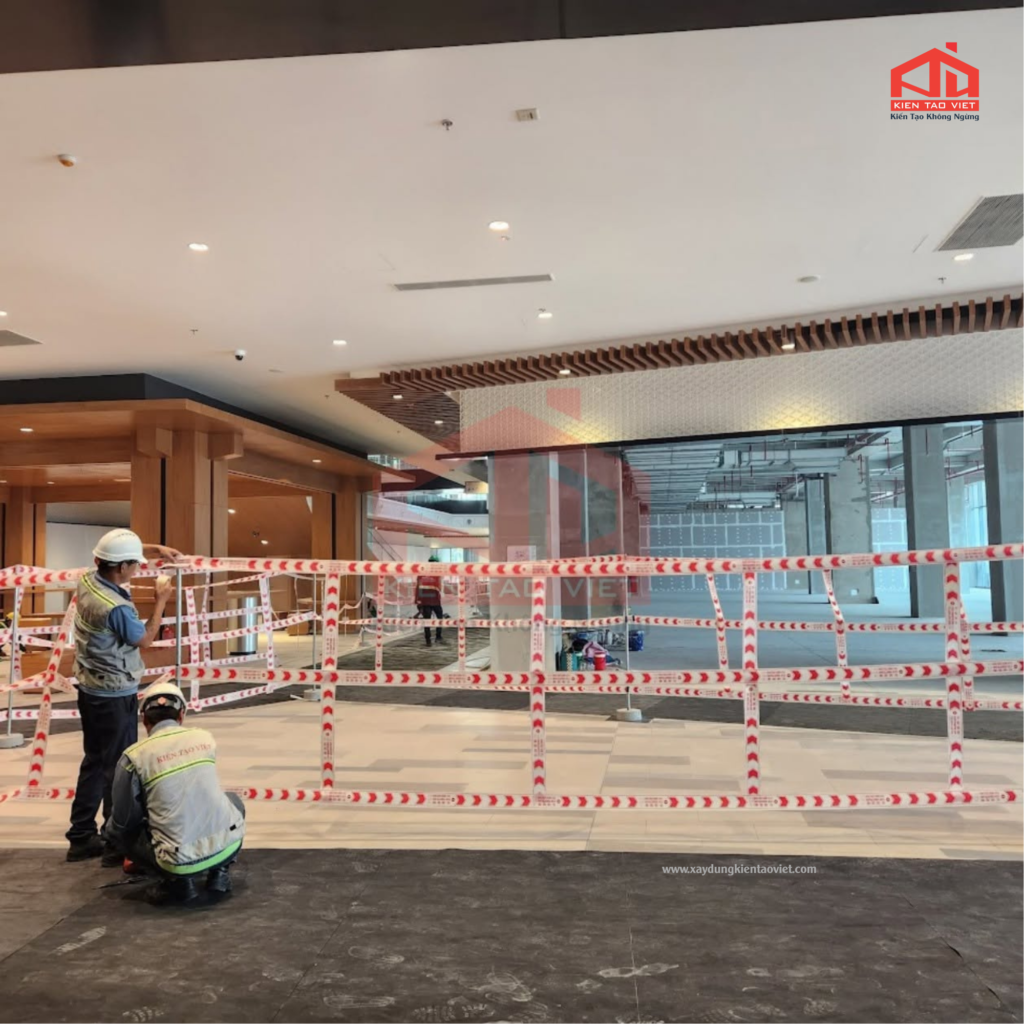
– Installing safety barriers and warning signs.
– Isolating construction areas from production zones.
– Controlling dust, noise, and construction materials.
– Providing appropriate personal protective equipment (PPE).
– Strictly complying with fire safety regulations.
In addition, close coordination between the business and the contractor is essential for responding quickly to unexpected situations and ensuring production continues safely and efficiently throughout the construction process.
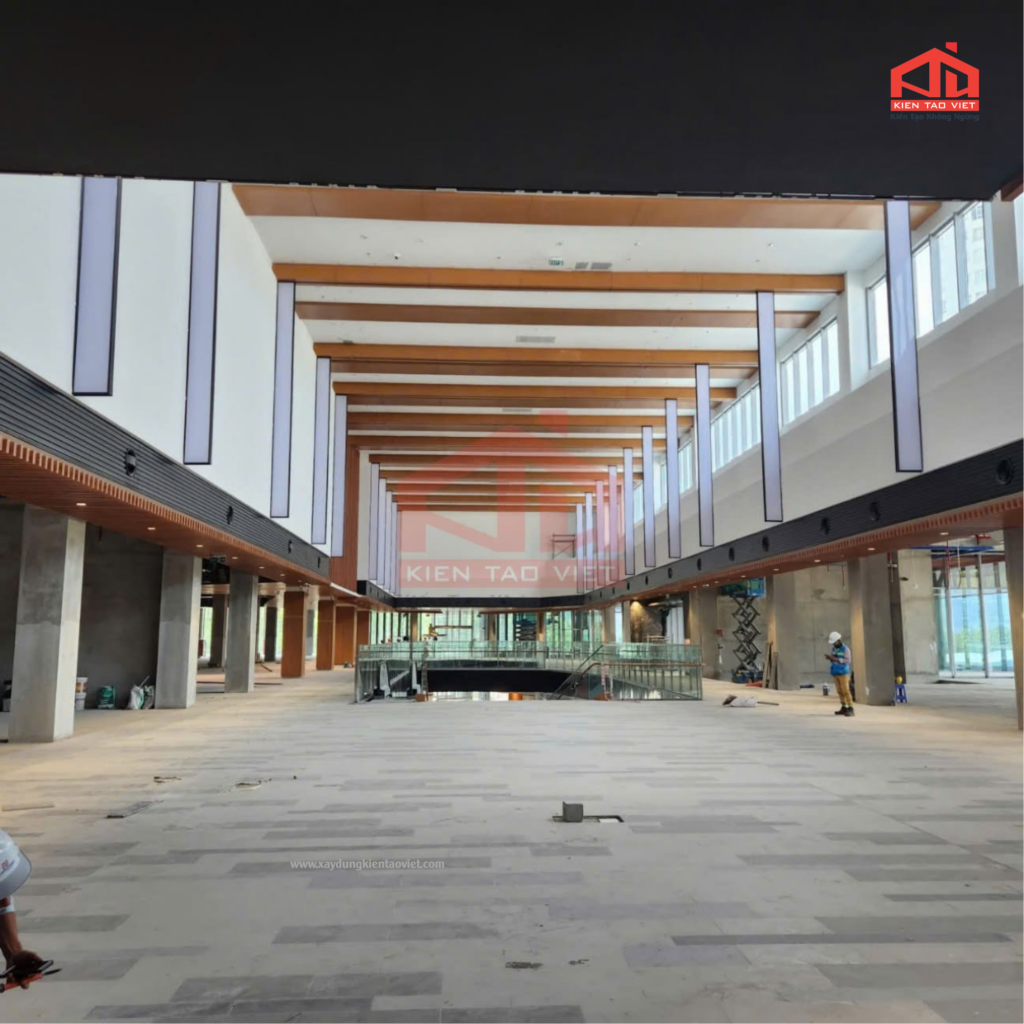
4. Choose the right structural solution
Not every warehouse expansion project requires the same structural approach.
Depending on operational needs, businesses can choose to:
– Expand horizontally.
– Increase the roof height.
– Add a mezzanine floor.
– Extend the production area.
– Build additional storage space.
For pre-engineered steel buildings, it is essential to accurately calculate load capacity, structural span, and the connection between the existing and new structures. This ensures long-term durability and operational safety.
Businesses should also consider future expansion plans during the design stage. Planning ahead can help reduce construction costs and minimize disruptions when additional expansion is needed later.
5. Choose an experienced contractor
Selecting the right contractor plays a crucial role in the success of any warehouse expansion project.
An experienced contractor can help businesses:
– Conduct comprehensive site assessments and provide suitable recommendations.
– Perform accurate structural calculations.
– Maintain construction quality and project schedules.
– Ensure the quality of construction materials.
– Minimize unexpected costs.
– Maintain a safe working environment throughout the project.
For warehouse renovation and expansion projects where production continues during construction, practical experience is especially valuable. An experienced contractor can quickly resolve unexpected issues while keeping daily operations running smoothly.
Common mistakes businesses make during warehouse expansion
Many businesses experience budget overruns or project delays because of avoidable mistakes, including:
– Failing to assess the existing structural condition.
– Starting construction without a clear production continuity plan.
– Choosing unsuitable construction materials.
– Prioritizing low costs over construction quality.
– Neglecting future expansion requirements.
Recognizing these potential risks early allows businesses to develop a more effective expansion strategy and avoid unnecessary complications.
>> Read more: Costly Mistakes in Factory Construction That Cost Businesses Millions
Professional warehouse expansion process
A professional warehouse expansion project is typically carried out through the following steps:
Step 1: Receive the client’s project requirements.
Step 2: Conduct an on-site assessment.
Step 3: Propose the most suitable expansion solution.
Step 4: Prepare design drawings and cost estimates.
Step 5: Sign the construction contract.
Step 6: Complete construction and hand over the project.
A well-defined process helps ensure construction quality, maintain project schedules, and reduce potential risks throughout the implementation.
Why choose Kien Tao Viet for warehouse expansion?
Expanding an operating warehouse requires more than technical expertise. It also demands practical experience in organizing construction activities while maintaining uninterrupted production. Kien Tao Viet has become a trusted partner for many businesses thanks to the following advantages.
Extensive experience in industrial construction
With years of experience in industrial construction and renovation, Kien Tao Viet has successfully completed numerous warehouse expansion, pre-engineered steel building, and storage facility projects for businesses across various industries.
Comprehensive site assessment and professional consultation
Our engineering team conducts thorough site inspections, evaluates structural conditions, and recommends expansion solutions tailored to each client’s operational requirements and investment budget.
Safe construction with minimal production disruption
Kien Tao Viet develops phased construction plans and carefully separates work zones from production areas. This approach minimizes operational interruptions while ensuring full compliance with workplace safety and fire protection regulations.
Transparent project management and quality control
Every project follows a professional workflow with clearly defined schedules, high-quality construction materials, and strict quality inspections at every stage of implementation.
End-to-end project support
From consultation and design to budgeting, construction, project completion, and after-sales support, Kien Tao Viet provides comprehensive services that give clients complete confidence throughout the entire project lifecycle.
Frequently asked questions (FAQ)
Does warehouse expansion require production to stop?
Not necessarily. With a well-planned construction strategy and proper separation between construction and production areas, businesses can continue operating while expansion work is carried out.
How long does a warehouse expansion project take?
The construction timeline depends on factors such as the expansion area, structural complexity, and on-site conditions. After the site assessment, the contractor will prepare a detailed construction schedule to help businesses plan their production activities accordingly.
Can an older pre-engineered steel warehouse be expanded?
Yes. However, the existing structure must first be evaluated to ensure it can safely support the additional load. Proper structural assessment is essential before developing the expansion design.
What factors affect the cost of warehouse expansion?
The total project cost depends on several factors, including:
– Expansion size.
– Structural design.
– Construction materials.
– Site conditions.
– Existing structural condition.
– Scope of construction work.
A detailed site assessment is the best way to determine an accurate project budget.
When is the right time to expand a warehouse?
Businesses should consider warehouse expansion when their current production space is no longer sufficient, storage capacity becomes limited, production lines need to be expanded, or long-term business growth requires additional operational space.
Conclusion
Warehouse expansion is an effective investment that enables businesses to increase production capacity while maximizing the value of existing facilities. However, achieving a safe, efficient, and cost-effective expansion requires careful planning, detailed structural assessments, and the support of an experienced construction partner.
If your business is planning a warehouse expansion project, contact Kien Tao Viet for professional consultation, on-site surveys, and tailored construction solutions. Backed by years of experience in industrial construction and warehouse development, we are committed to delivering high-quality projects with reliable schedules and optimized investment costs.
Blog mới nhất
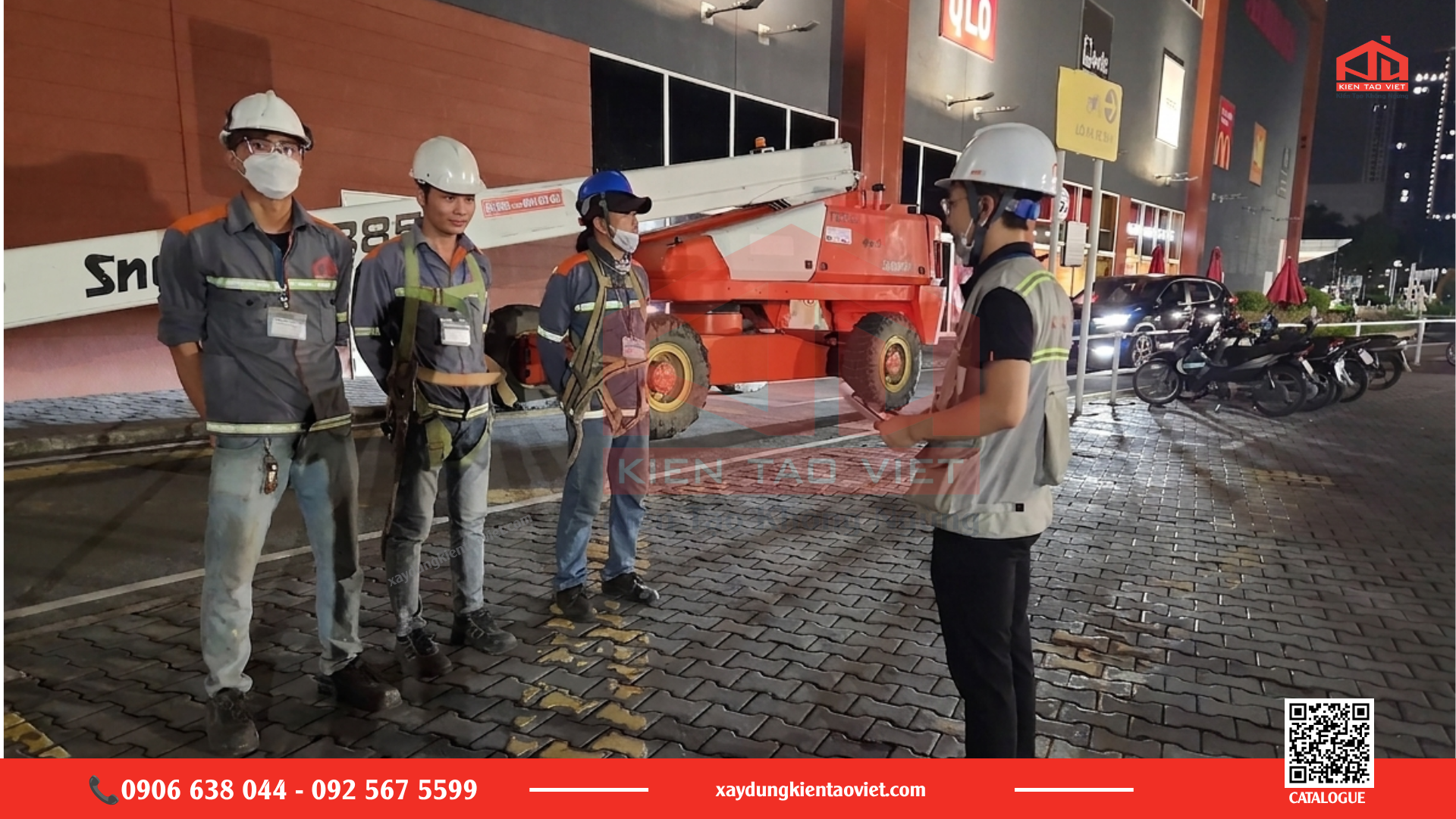
Hồ sơ an toàn nhà thầu: Chuẩn bị gì trước khi thi công tại nhà máy?
Hồ sơ an toàn nhà thầu cần thể hiện công việc sẽ làm, người chịu trách nhiệm, mối nguy đã nhận diện và biện pháp kiểm soát tương ứng. Doanh nghiệp nên xác định yêu cầu hồ sơ theo phạm vi thi công và điều kiện cơ sở, thay vì sử dụng một bộ tài […]
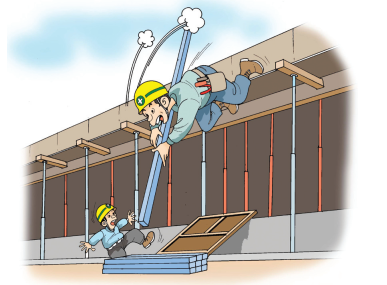
Kế hoạch cải tạo hạ tầng nhà máy theo từng giai đoạn
Kế hoạch cải tạo hạ tầng nhà máy nên xác định rõ hiện trạng, nhu cầu vận hành, mức độ ưu tiên và điều kiện triển khai của từng hạng mục. Doanh nghiệp cần thống nhất phạm vi, ngân sách, lịch phối hợp với sản xuất và tiêu chí bàn giao trước khi huy động […]

Thi công bảng hiệu nhà máy tại TP.HCM | Kiến Tạo Việt
Thi công bảng hiệu nhà máy cần bắt đầu từ vị trí lắp đặt, mục đích nhận diện và điều kiện tiếp cận công trình. Doanh nghiệp nên chốt nội dung, kích thước, vật liệu, phương án chiếu sáng, trách nhiệm lắp đặt và tiêu chí nghiệm thu trước khi gia công. Một thiết kế […]
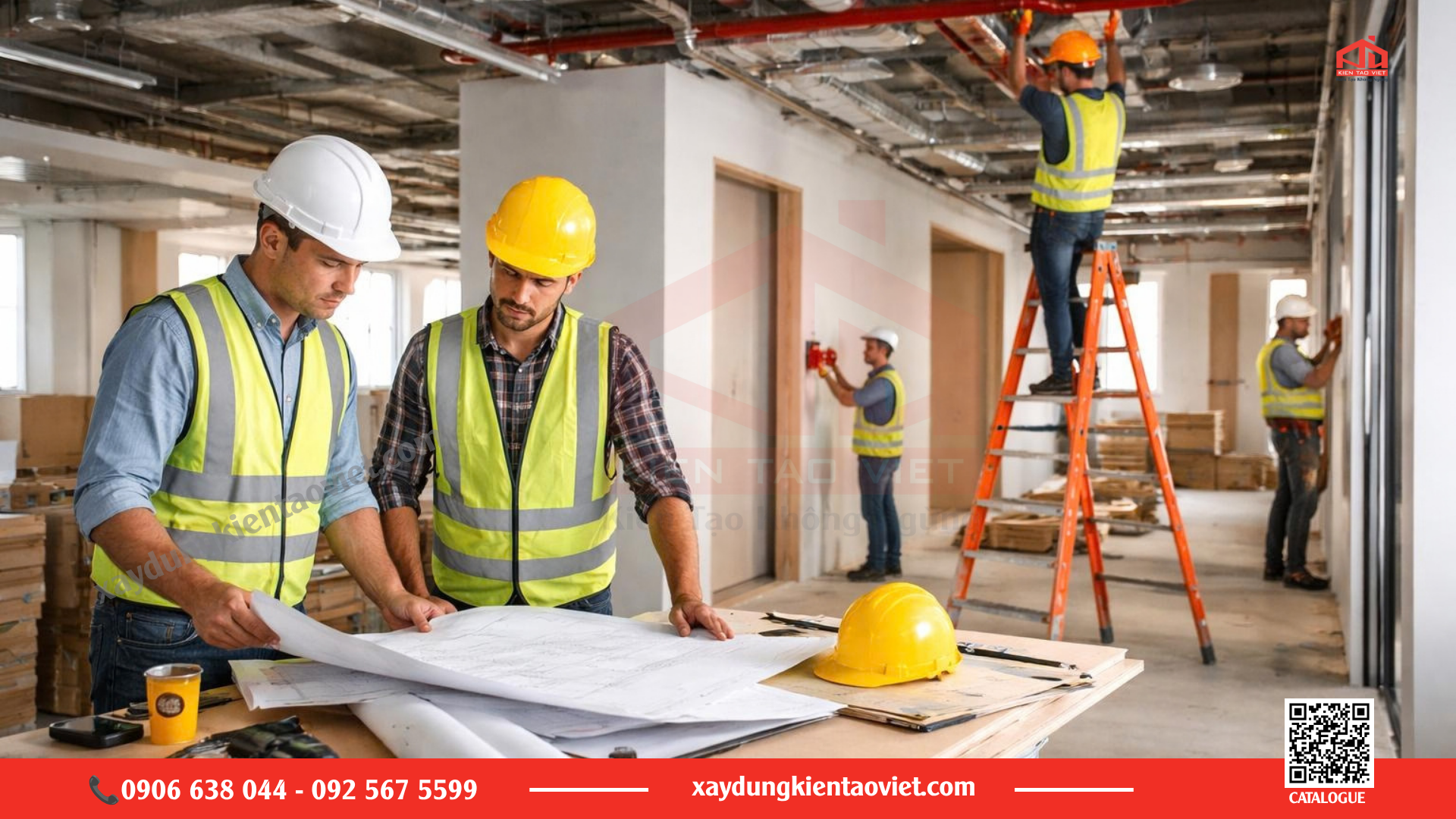
Chi phí cải tạo văn phòng: Cách lập dự toán và kiểm soát phát sinh
Chi phí cải tạo văn phòng không thể xác định chính xác phân tích chính xác. Doanh nghiệp cần biết hiện trạng mặt bằng, các hạng mục phải làm, vật liệu lựa chọn và điều kiện tổ chức thi công. Một báo giá hữu ích phải thể hiện khối lượng, cung cấp phạm vi, loại […]
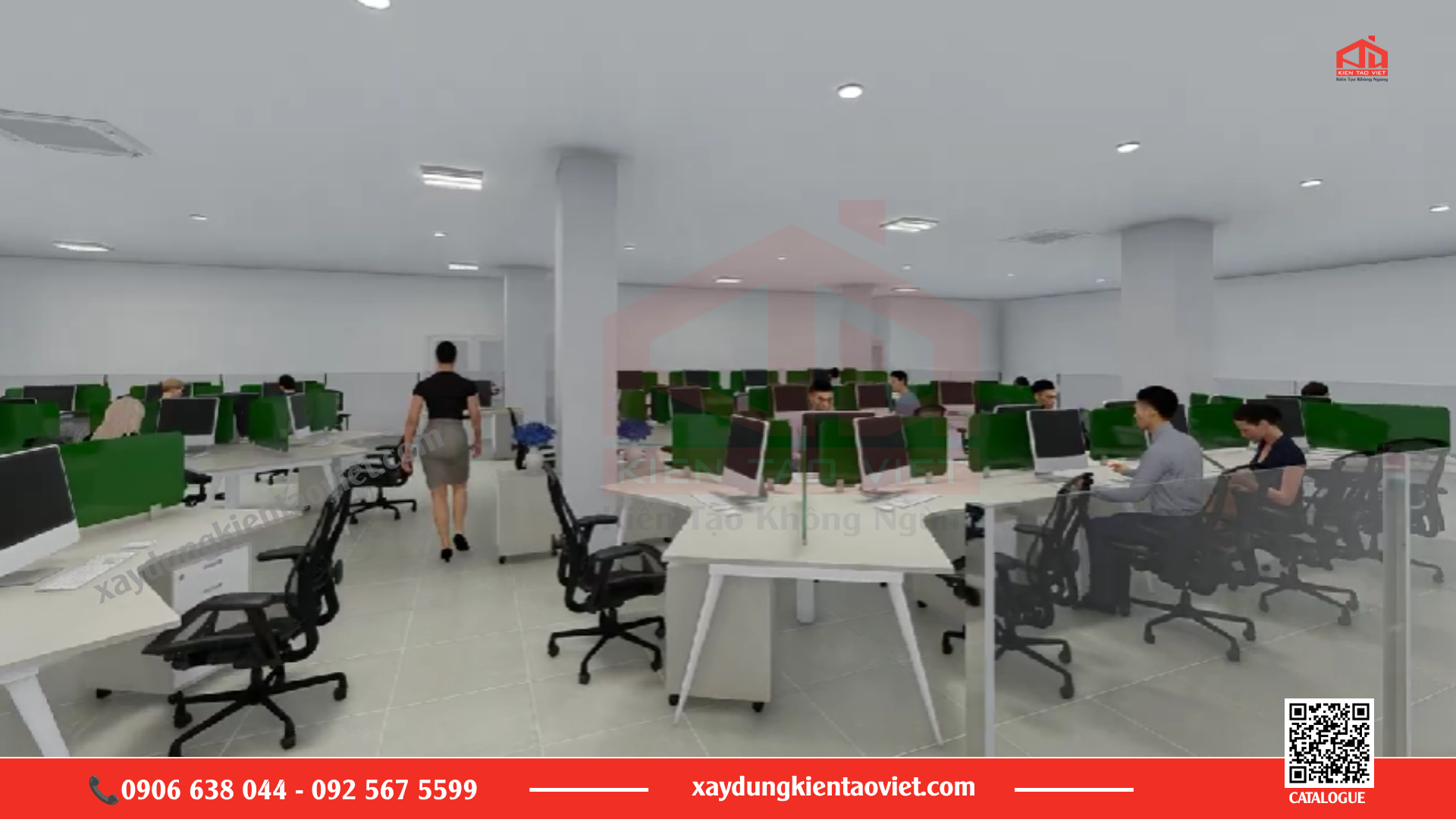
Cải Tạo Văn Phòng Tại Củ Chi Trọn Gói
Nhiều nhà máy và kho bãi tại Củ Chi đang gặp tình trạng văn phòng cũ thiếu diện tích, bố trí bất hợp lý, hệ thống kỹ thuật xuống cấp. Cải tạo văn phòng tại Củ Chi giúp doanh nghiệp tận dụng mặt bằng sẵn có, tái cấu trúc công năng, tiết kiệm thời gian […]
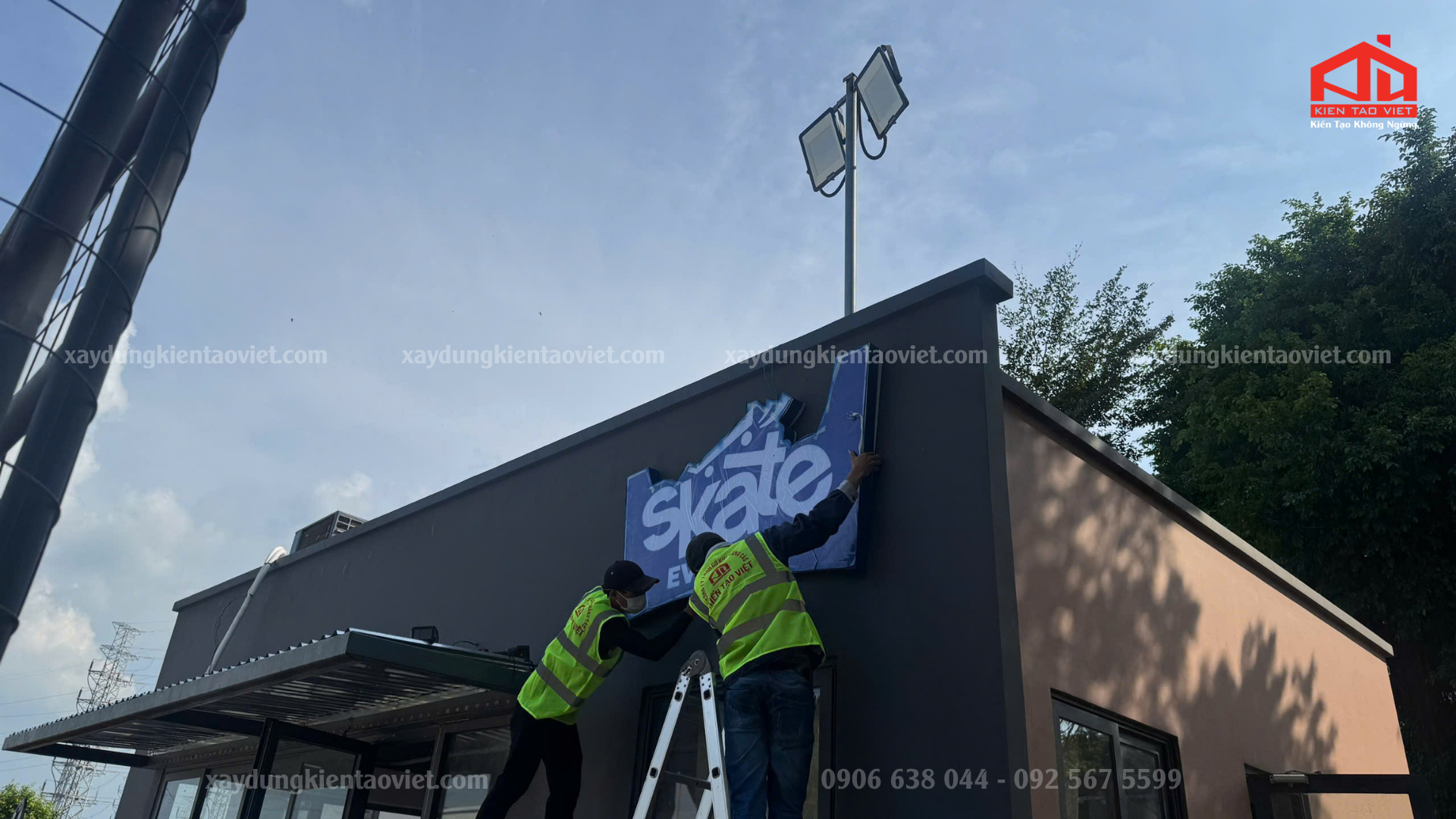
An toàn lắp đặt bảng hiệu trên cao: Doanh nghiệp cần phối hợp những gì?
An toàn lắp đặt bảng hiệu trên cao cần được chuẩn bị trước khi huy động đội thi công. Doanh nghiệp và nhà thầu phải làm rõ vị trí, cách tiếp cận, nhân sự, thiết bị, hoạt động bên dưới và điều kiện triển khai. Phương án phải do người có chuyên môn xem xét; […]
-
Vì sao lắp đặt mái che di động trở thành xu hướng những năm gần đây
-
Những điều cần biết về lắp đặt mái che di động 2026
-
Những điều cần biết khi chọn nhà thầu xây dựng nhà thép tiền chế 2026
-

07 Tiêu chí chọn nhà thầu xây dựng – cải tạo nhà xưởng uy tín 2026
-

Cải tạo văn phòng doanh nghiệp 2026: Những điều cần biết