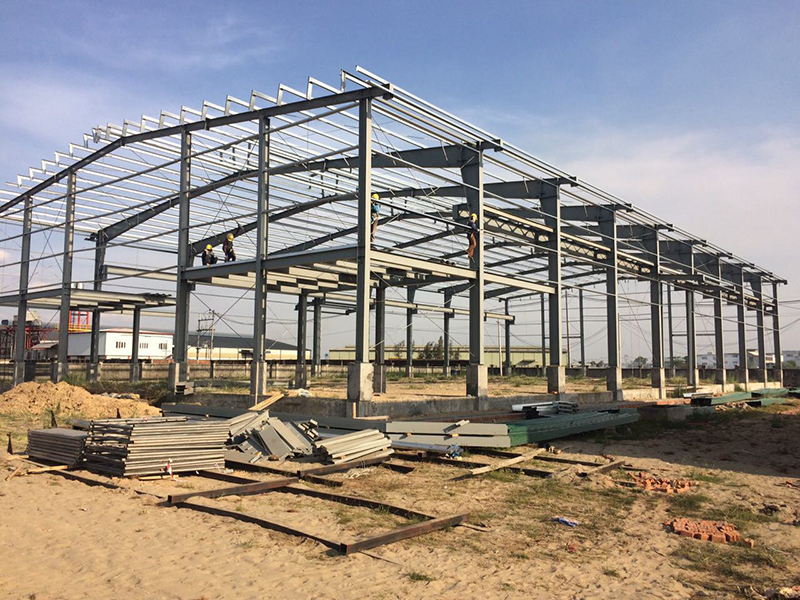
As construction investment costs continue to rise, many businesses are choosing Factory Heat Insulation Renovation instead of constructing new facilities. This strategic approach allows manufacturers to optimize their investment budget while meeting growing production demands. Beyond expanding usable space, Factory Heat Insulation Renovation also improves operational efficiency, enhances employee productivity, reduces energy consumption, and extends the service life of industrial buildings.
In the industrial construction sector, factory buildings that have been in operation for 10 to 20 years often begin to show signs of deterioration. Common issues include metal roofing with poor thermal insulation, inefficient ventilation systems, cracked or uneven concrete floors, corroded steel structures, and production layouts that no longer support modern manufacturing requirements. Without timely Factory Heat Insulation Renovation, businesses may experience rising operating costs, declining productivity, increased maintenance expenses, and reduced competitiveness in an increasingly demanding market.
Why Should Businesses Choose Factory Heat Insulation Renovation?
In tropical climates such as Vietnam, the surface temperature of metal roofing can exceed 60-70°C (140-158°F) during midday. Without an effective ventilation and thermal insulation system, the temperature inside a factory can be 5-10°C (9-18°F) higher than the outdoor environment. Excessive heat places additional stress on electrical equipment, reduces employee comfort and productivity, and significantly increases energy consumption due to the continuous operation of industrial fans and air conditioning systems.
Beyond heat-related issues, expanding production capacity often means adding more machinery, equipment, and employees. As a result, the existing factory layout may no longer be sufficient to support efficient operations. Narrow aisles, overcrowded storage areas, and an outdated production layout can lead to longer material handling times, reduced workflow efficiency, and increased indirect operating costs.

In many cases, Factory Heat Insulation Renovation enables businesses to reduce overall investment costs by 30-60% compared to constructing a new factory. It also significantly shortens the project timeline, with most renovation projects completed within 2-4 months, whereas new factory construction typically requires 8-12 months, depending on the project scale and complexity.
Signs That Your Business Needs Factory Heat Insulation Renovation
Factory Operations Have Exceeded the Original Design Capacity
One of the clearest indicators that a business should consider Factory Heat Insulation Renovation is when the facility is operating beyond its original design capacity.
For example, a 2,000 m² factory may have been originally designed to accommodate 25 production machines and 80 workers. After several years of business growth, the company expands its operations to 40 machines and more than 130 employees, increasing production capacity by nearly 80% compared to the original design.
As production continues to grow, forklift aisles become narrower, warehouse storage reaches its limits, and production lines become increasingly congested. These issues lead to longer material handling times, reduced workflow efficiency, and a higher risk of workplace accidents.
For instance, if each forklift trip takes an additional 2 minutes, with approximately 180 trips per day, the factory loses around 6 labor hours daily. Assuming an average operating cost of VND 350,000 per hour (approximately USD 13-14/hour), the annual productivity loss can reach nearly VND 650 million (approximately USD 25,000). This hidden operational cost often exceeds the investment required for a well-planned Factory Heat Insulation Renovation.
Rising Energy Costs
Older metal roofing systems absorb a significant amount of solar heat, making factories extremely hot during the dry season. As indoor temperatures rise, industrial ventilation fans and air conditioning systems must operate continuously, resulting in substantially higher electricity bills.
A practical example involves a manufacturing company with monthly electricity expenses of approximately VND 250 million (around USD 9,600). After completing a Factory Heat Insulation Renovation, including the installation of insulated roofing panels, translucent skylights, roof exhaust fans, and a natural ventilation system, electricity consumption decreased by approximately 15%.
This translated into energy savings of about VND 37.5 million per month, or approximately VND 450 million annually. With a total renovation investment of around VND 900 million, the company achieved a payback period of approximately 24 months, after which the energy savings became a direct financial benefit.
Warehouse Capacity Is No Longer Sufficient
As production expands, warehouse space often becomes another critical bottleneck.
Consider a warehouse originally designed to store 500 pallets but now required to accommodate 750 pallets, exceeding its intended capacity by 50%. This overcrowding forces businesses to rent additional warehouse space, increase transportation frequency, hire more warehouse personnel, and face a greater risk of product damage.
If the company rents an additional 800 m² of warehouse space at an average rate of VND 70,000 per square meter per month, the additional rental expense reaches approximately VND 56 million per month, or VND 672 million annually.
By expanding and optimizing the existing warehouse through Factory Heat Insulation Renovation, businesses can significantly reduce these recurring operating expenses while improving inventory management efficiency.
Electrical Systems and Structural Components Are No Longer Adequate
Business expansion usually involves installing additional high-capacity production equipment. However, older electrical systems are often unable to support the increased power demand.
For example, an electrical substation originally designed to supply 500 kW may now be required to deliver 820 kW, resulting in overloaded electrical circuits, frequent circuit breaker trips, voltage instability, and an increased risk of electrical fires.
Production interruptions caused by electrical failures can have severe financial consequences. If equipment downtime totals just 4 hours per month, and the factory generates an average production value of VND 120 million per operating hour, the company may lose approximately VND 480 million per month, or nearly VND 5.76 billion annually, due to production disruptions alone.
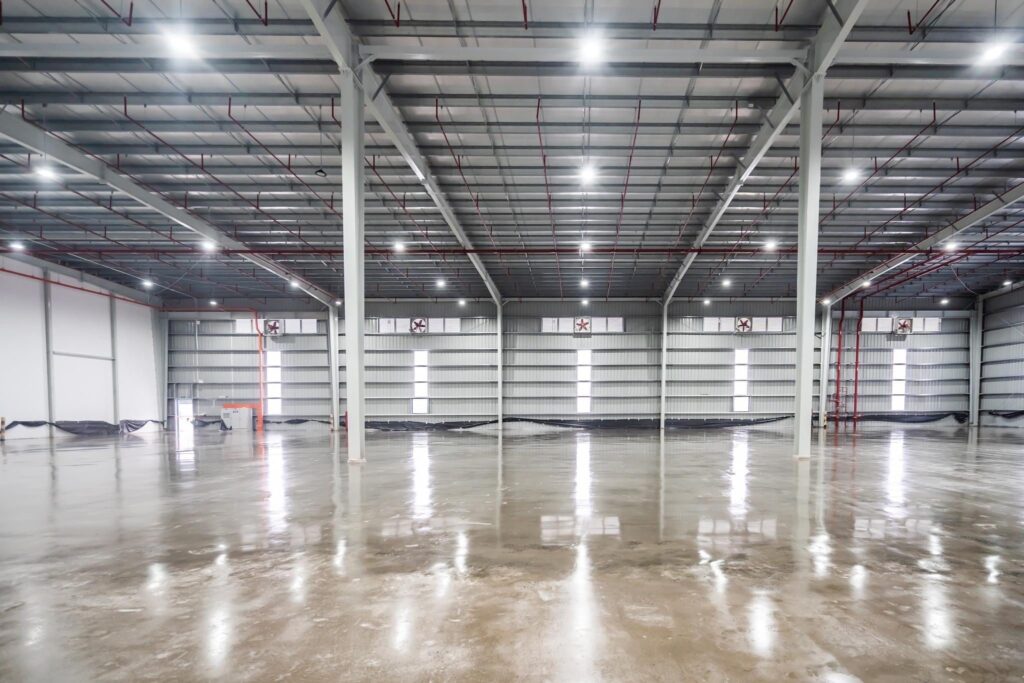
Professional Factory Heat Insulation Renovation Process
A successful Factory Heat Insulation Renovation project requires a systematic and well-planned approach to ensure structural safety, construction quality, and minimal disruption to ongoing manufacturing operations. A professional renovation process typically includes the following stages:
– Comprehensive site inspection to assess the condition of the steel structure, foundation, roofing system, flooring, and all mechanical, electrical, and plumbing (MEP) systems.
– Structural evaluation to determine the building’s load-bearing capacity and identify the most suitable expansion or reinforcement solutions.
– Development of an optimized renovation plan that balances operational efficiency, construction feasibility, and overall investment costs.
– Preparation of a detailed cost estimate and construction schedule to ensure effective budget control and timely project execution.
– Phase-by-phase construction implementation to minimize production downtime and maintain business operations throughout the renovation process.
– Final inspection, testing, and quality assurance before the renovated facility is officially commissioned for operation.
>> Related Article: HSE Risk Assessment Process in Construction Projects
Factory Heat Insulation Renovation Costs
The cost of Factory Heat Insulation Renovation depends on several factors, including the existing condition of the building, project size, material specifications, and technical requirements. The following are general cost estimates for industrial renovation projects in Vietnam:
– Heat-insulated metal roof replacement: VND 250,000-650,000 per m²
– Epoxy floor coating: VND 180,000-450,000 per m²
– Steel structure reinforcement: VND 500,000 to over VND 2,000,000 per m²
– Comprehensive factory renovation: VND 1,000,000-3,500,000 per m²
For a factory with an area of approximately 2,000 m², the total investment for a Factory Heat Insulation Renovation project typically ranges from VND 4 billion to VND 10 billion, depending on the renovation scope and technical requirements. In comparison, constructing a new factory of similar size generally requires an investment of VND 12 billion to VND 20 billion.
As a result, businesses can typically reduce their initial capital investment by 30% to 60% while maximizing the value of their existing infrastructure, shortening project completion time, and minimizing production interruptions. This makes Factory Heat Insulation Renovation a highly cost-effective solution for manufacturers seeking to expand production capacity without the substantial financial burden of new construction.
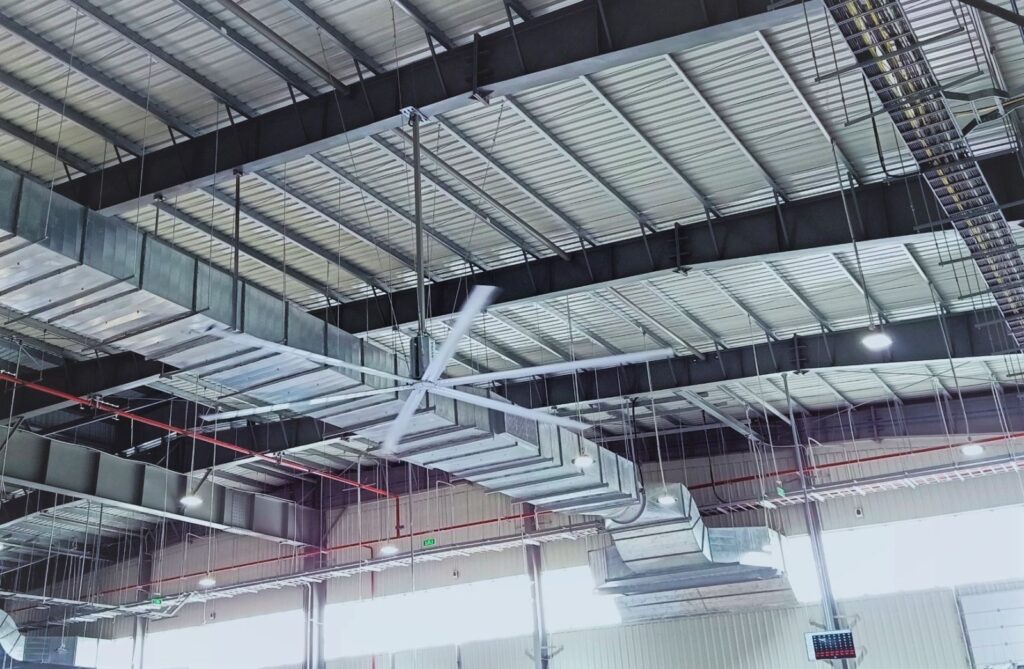
Factory Heat Insulation Renovation Timeline
The duration of a Factory Heat Insulation Renovation project depends on the size of the facility, the scope of work, the complexity of the structural modifications, and the construction methods employed. Typical project timelines are as follows:
– Minor repairs and maintenance: 3-10 days
– Heat-insulated roof replacement: 7-20 days
– Partial factory renovation: 2-6 weeks
– Comprehensive factory renovation: 1-3 months
– Large-scale factory expansion and renovation: 3-6 months
To minimize production interruptions, experienced contractors typically implement the renovation in carefully planned phases. This phased construction approach allows manufacturing operations to continue in designated areas while renovation work is carried out in others, helping businesses maintain productivity, reduce downtime, and minimize revenue losses throughout the project.
Advantages and Limitations of Factory Heat Insulation Renovation
One of the greatest advantages of Factory Heat Insulation Renovation is its ability to significantly reduce capital investment compared to constructing a new industrial facility. In addition to lowering overall project costs, renovation projects are generally completed in a much shorter timeframe, enabling businesses to expand production capacity more quickly and achieve a faster return on investment.
A professionally executed Factory Heat Insulation Renovation also enhances workplace comfort by reducing indoor temperatures, improving ventilation, and lowering electricity consumption associated with industrial cooling systems. Furthermore, businesses can maximize the value of their existing infrastructure by reusing structural components, utility systems, office spaces, and supporting facilities, resulting in substantial long-term cost savings.
Despite these advantages, factory renovation also presents certain challenges. Older industrial buildings may have structural limitations that prevent vertical expansion or additional load-bearing capacity without significant reinforcement. During demolition and renovation, unforeseen conditions such as weakened foundations, corroded steel structures, deteriorated roofing systems, or outdated electrical infrastructure may also be discovered, potentially increasing project costs and extending the construction schedule.
For these reasons, a comprehensive structural assessment and detailed engineering evaluation should always be conducted before initiating any Factory Heat Insulation Renovation project. Proper planning helps ensure construction safety, accurate budgeting, and the long-term performance of the renovated industrial facility.

When Should Businesses Build a New Factory Instead of Choosing Factory Heat Insulation Renovation?
While Factory Heat Insulation Renovation is often the most cost-effective solution for expanding production capacity, there are situations where constructing a new factory is the more practical long-term investment.
Businesses should consider building a new industrial facility if:
– The existing factory has suffered severe structural deterioration that cannot be economically repaired or reinforced.
– The foundation is no longer capable of supporting the additional loads required by new production equipment or future expansion.
– The required expansion area exceeds the available land or the current building’s structural limitations.
The estimated renovation cost reaches approximately 70-80% of the cost of constructing a new factory, making new construction a more financially viable option over the building’s lifecycle.
Before making a final decision, businesses should conduct a comprehensive engineering assessment, including structural integrity, foundation capacity, production requirements, long-term operational objectives, and return on investment. A professional evaluation ensures that the selected solution delivers the highest value while supporting future business growth.
>> Related Article: What Is HSE in Construction? Understanding Its Role and Importance
Kien Tao Viet – Your Trusted Partner for Factory Heat Insulation Renovation
With more than 15 years of experience in industrial construction and steel fabrication, Kien Tao Viet Mechanical & Construction Co., Ltd. specializes in providing comprehensive Factory Heat Insulation Renovation solutions, from site surveys and engineering design to construction and project completion.
Our experienced engineering team is committed to delivering customized renovation solutions that optimize structural performance, construction schedules, and investment costs. Every project is designed to improve production efficiency, reduce operating expenses, enhance workplace safety, and create a modern manufacturing environment that supports sustainable business growth.
Whether your business is planning to expand production capacity, improve thermal performance, upgrade aging facilities, or modernize an existing factory, Kien Tao Viet offers reliable, high-quality renovation services tailored to your operational requirements.
Choosing an experienced industrial construction contractor is one of the most important decisions in any renovation project. A professionally planned Factory Heat Insulation Renovation not only minimizes investment costs and shortens construction time but also maximizes the value of existing assets, strengthens long-term operational efficiency, and provides a solid foundation for your company’s future expansion.

Blog mới nhất
Hồ sơ an toàn nhà thầu: Chuẩn bị gì trước khi thi công tại nhà máy?
Hồ sơ an toàn nhà thầu cần thể hiện công việc sẽ làm, người chịu trách nhiệm, mối nguy đã nhận diện và biện pháp kiểm soát tương ứng. Doanh nghiệp nên xác định yêu cầu hồ sơ theo phạm vi thi công và điều kiện cơ sở, thay vì sử dụng một bộ tài […]
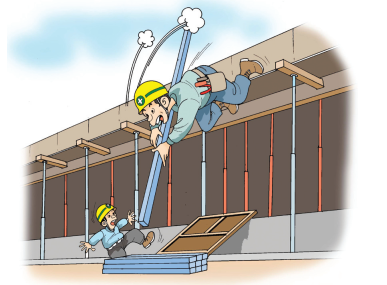
Kế hoạch cải tạo hạ tầng nhà máy theo từng giai đoạn
Kế hoạch cải tạo hạ tầng nhà máy nên xác định rõ hiện trạng, nhu cầu vận hành, mức độ ưu tiên và điều kiện triển khai của từng hạng mục. Doanh nghiệp cần thống nhất phạm vi, ngân sách, lịch phối hợp với sản xuất và tiêu chí bàn giao trước khi huy động […]

Thi công bảng hiệu nhà máy tại TP.HCM | Kiến Tạo Việt
Thi công bảng hiệu nhà máy cần bắt đầu từ vị trí lắp đặt, mục đích nhận diện và điều kiện tiếp cận công trình. Doanh nghiệp nên chốt nội dung, kích thước, vật liệu, phương án chiếu sáng, trách nhiệm lắp đặt và tiêu chí nghiệm thu trước khi gia công. Một thiết kế […]
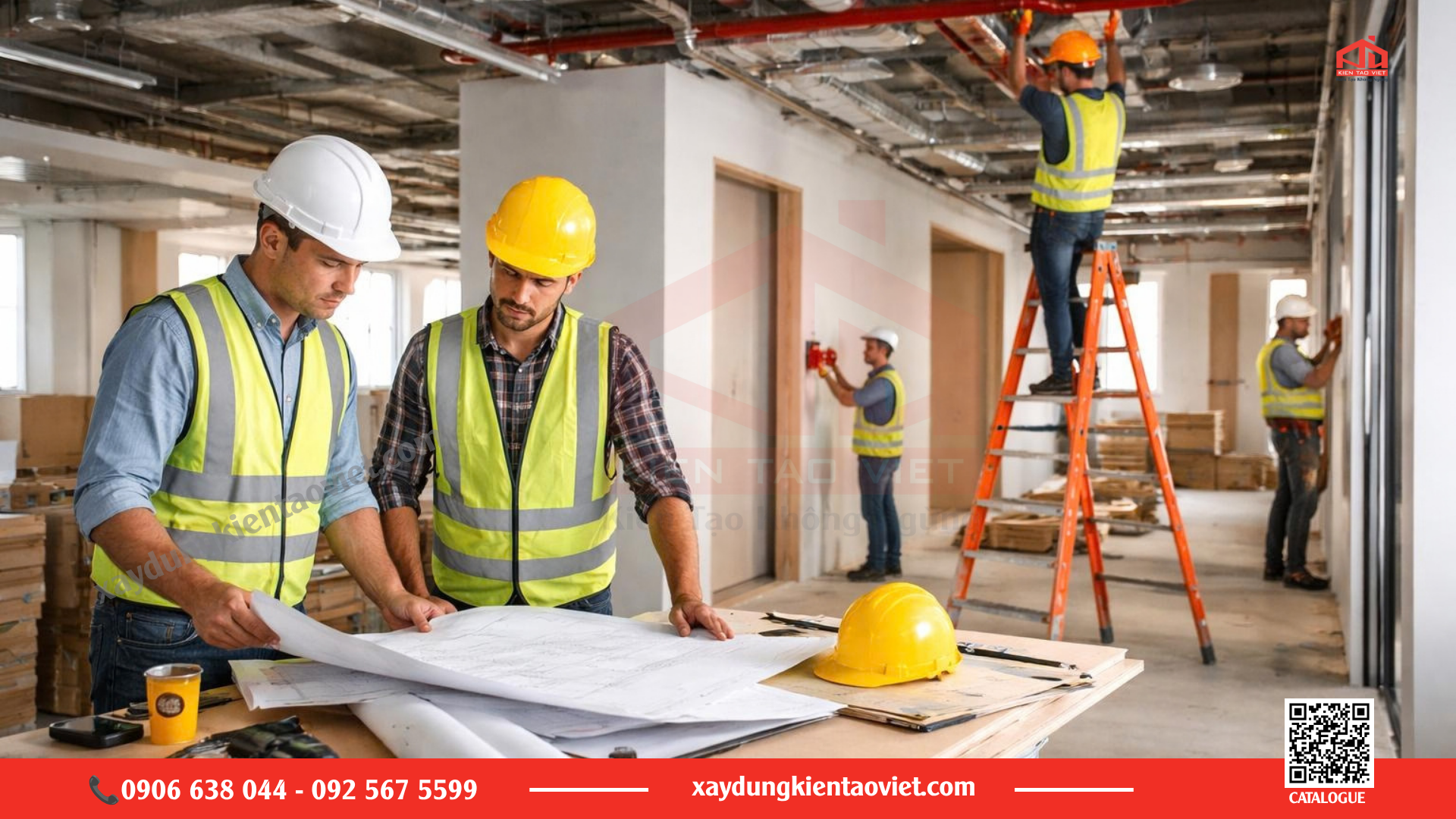
Chi phí cải tạo văn phòng: Cách lập dự toán và kiểm soát phát sinh
Chi phí cải tạo văn phòng không thể xác định chính xác phân tích chính xác. Doanh nghiệp cần biết hiện trạng mặt bằng, các hạng mục phải làm, vật liệu lựa chọn và điều kiện tổ chức thi công. Một báo giá hữu ích phải thể hiện khối lượng, cung cấp phạm vi, loại […]
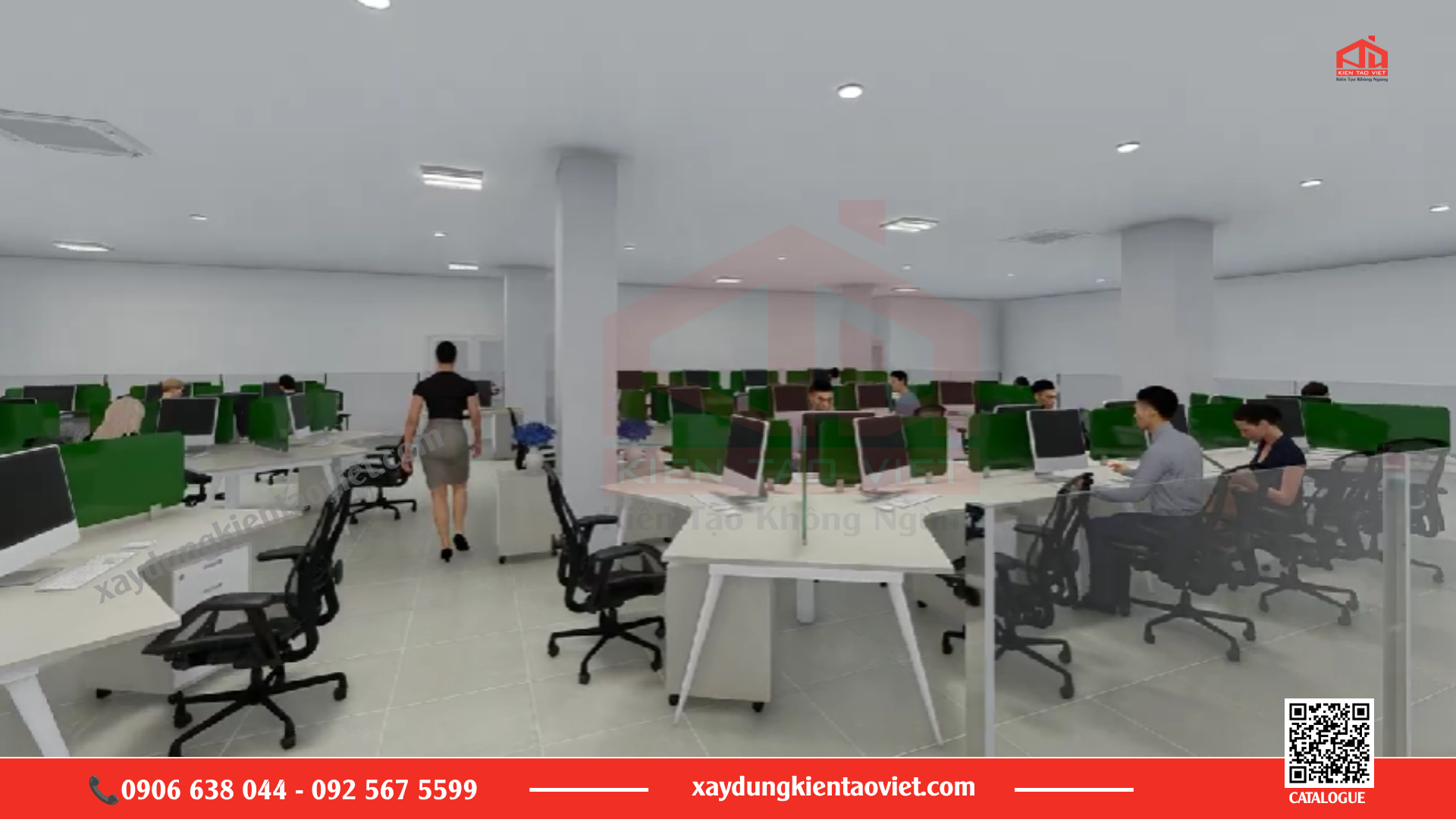
Cải Tạo Văn Phòng Tại Củ Chi Trọn Gói
Nhiều nhà máy và kho bãi tại Củ Chi đang gặp tình trạng văn phòng cũ thiếu diện tích, bố trí bất hợp lý, hệ thống kỹ thuật xuống cấp. Cải tạo văn phòng tại Củ Chi giúp doanh nghiệp tận dụng mặt bằng sẵn có, tái cấu trúc công năng, tiết kiệm thời gian […]
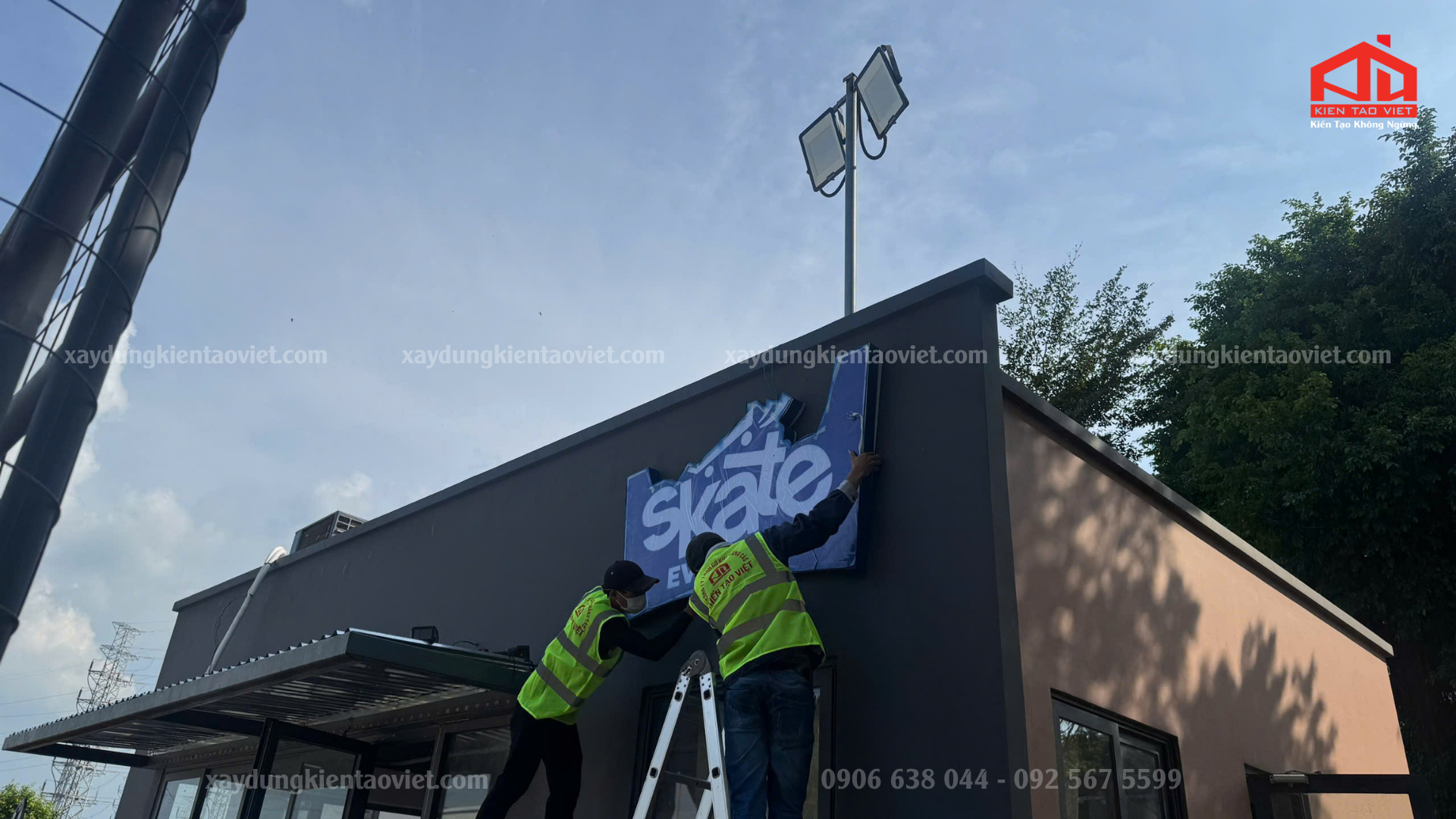
An toàn lắp đặt bảng hiệu trên cao: Doanh nghiệp cần phối hợp những gì?
An toàn lắp đặt bảng hiệu trên cao cần được chuẩn bị trước khi huy động đội thi công. Doanh nghiệp và nhà thầu phải làm rõ vị trí, cách tiếp cận, nhân sự, thiết bị, hoạt động bên dưới và điều kiện triển khai. Phương án phải do người có chuyên môn xem xét; […]
-
Vì sao lắp đặt mái che di động trở thành xu hướng những năm gần đây
-
Những điều cần biết về lắp đặt mái che di động 2026
-
Những điều cần biết khi chọn nhà thầu xây dựng nhà thép tiền chế 2026
-
07 Tiêu chí chọn nhà thầu xây dựng – cải tạo nhà xưởng uy tín 2026
-

Cải tạo văn phòng doanh nghiệp 2026: Những điều cần biết