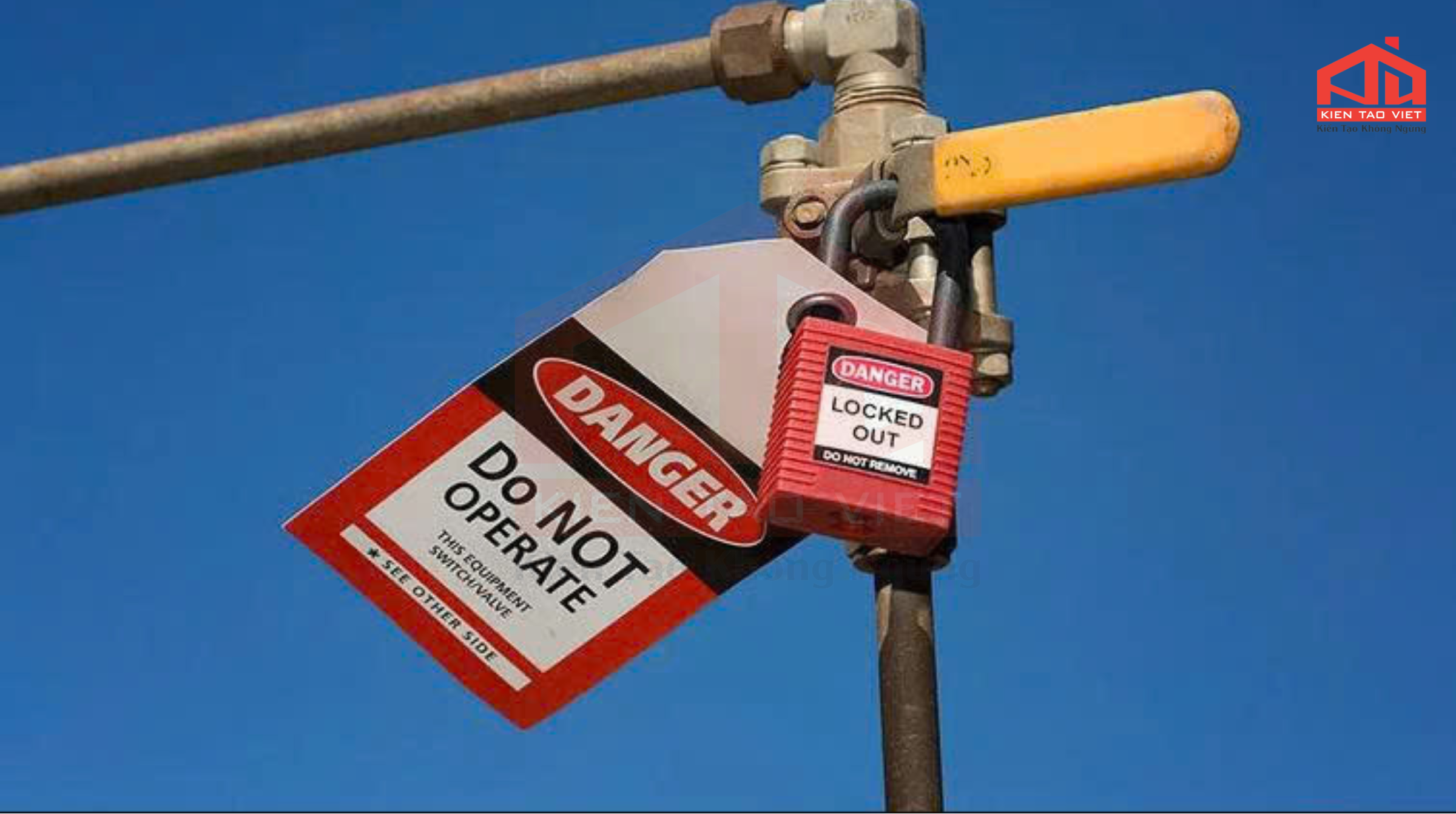
Lockout Tagout (LOTO) is a safety procedure used to control and isolate hazardous energy sources before maintenance or repair work is carried out on industrial equipment. Proper implementation of LOTO not only minimizes the risk of workplace accidents but also helps create a safer working environment, ensuring maintenance activities are performed efficiently while complying with recognized safety standards.
What is Lockout Tagout?
Lockout Tagout (LOTO) is a hazardous energy control procedure designed to prevent machinery or equipment from being unintentionally started during maintenance, servicing, cleaning, or repair activities. The process involves isolating energy sources, applying lockout devices, and attaching warning tags to protect maintenance personnel from potential hazards.
In modern industrial environments, simply turning off a machine does not always eliminate the risk. Many types of equipment can retain stored energy even after the primary power source has been disconnected. If this residual energy is not properly controlled, the equipment may unexpectedly restart, putting maintenance technicians and workers at serious risk.
For this reason, Lockout Tagout has become an essential component of industrial safety management systems. Many manufacturing companies have incorporated LOTO into their standard operating procedures to reduce workplace hazards and improve the safety of maintenance operations.
What is the difference between Lockout and Tagout?
Although Lockout and Tagout are commonly mentioned together, they serve different functions within the LOTO procedure.
What is Lockout?
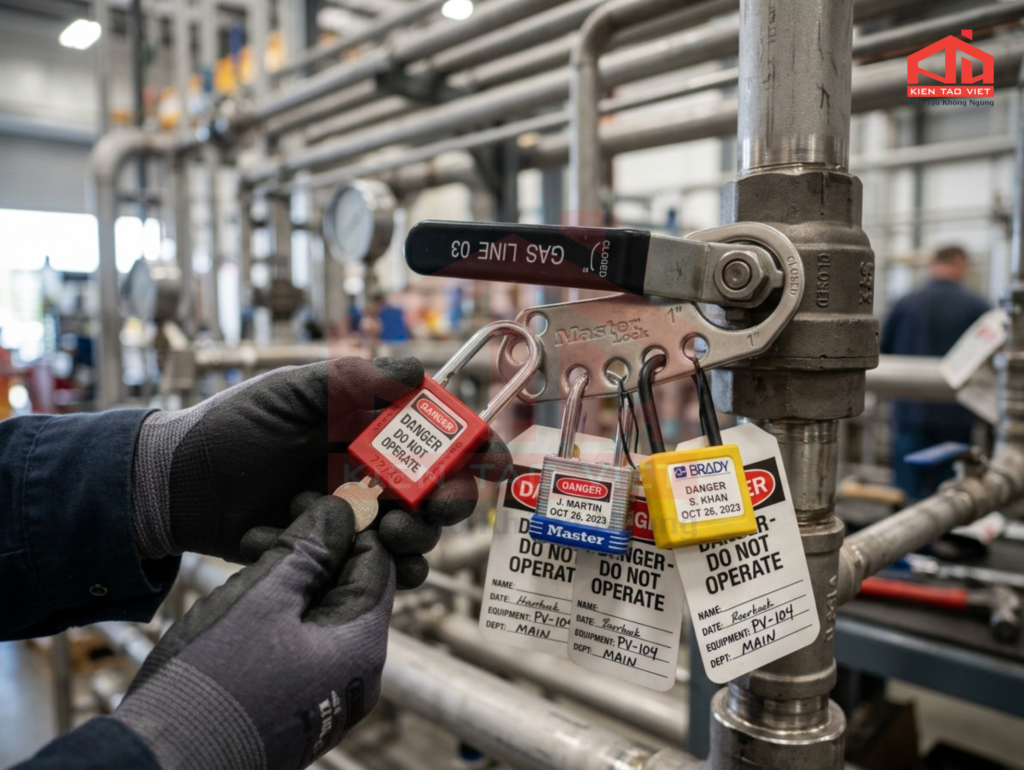
Lockout is the process of using a specialized locking device to secure an energy-isolating device, such as an electrical disconnect switch, pneumatic valve, or hydraulic valve. Once the lock has been properly installed, the equipment cannot be restarted until the lock is removed.
The primary purpose of Lockout is to create a physical barrier that completely prevents hazardous energy from being restored while maintenance work is in progress.
What is Tagout?
Tagout involves attaching a warning tag to the locked energy-isolating device to indicate that the equipment is currently undergoing maintenance or repair and must not be operated.
A typical warning tag includes information such as:
– Name of the authorized employee
– Lockout date and time
– Reason for the lockout
– “Do Not Operate” warning
Unlike Lockout, Tagout serves only as a visual warning. It does not physically prevent the equipment from being energized unless it is used together with an appropriate lockout device.
Comparison between Lockout and Tagout
| Criteria | Lockout | Tagout |
| Purpose | Physically prevents equipment from operating | Warns personnel not to operate the equipment |
| Device Used | Safety padlock, valve lockout, circuit breaker lockout | Warning tag |
| Level of Protection | Physically prevents hazardous energy from being restored | Provides visual warning only |
| Role | Mandatory component of the LOTO procedure | Supports hazard communication and identification |
| Effectiveness | Highly effective | Most effective when used together with Lockout |
In practice, Lockout and Tagout should always be applied together. While Lockout physically isolates hazardous energy, Tagout ensures that everyone working around the equipment is aware that maintenance activities are in progress. Combining these two measures significantly improves workplace safety and helps prevent accidental equipment startup.
>> Read more: What Is HSE in Construction? Understanding Its Role and Importance
Why is Lockout Tagout important in industrial facilities?
Manufacturing plants and industrial facilities rely on machinery powered by various forms of energy, including electricity, compressed air, hydraulics, and thermal energy. During maintenance, even a single accidental startup or an improperly isolated energy source can result in serious injuries.
Implementing a Lockout Tagout program provides several important benefits:
– Protects technicians and maintenance personnel.
– Prevents unexpected equipment startup.
– Reduces the risk of hazardous energy-related accidents.
– Standardizes maintenance safety procedures.
– Supports compliance with internationally recognized safety requirements.
For manufacturing businesses, Lockout Tagout is more than just a technical procedure. It demonstrates a strong commitment to employee safety and reflects a professional approach to operational risk management.
Lockout Tagout devices
To implement an effective Lockout Tagout (LOTO) program, businesses should equip their facilities with appropriate lockout and warning devices designed for different types of machinery and energy isolation points.
Below are the most commonly used Lockout Tagout devices in industrial facilities.
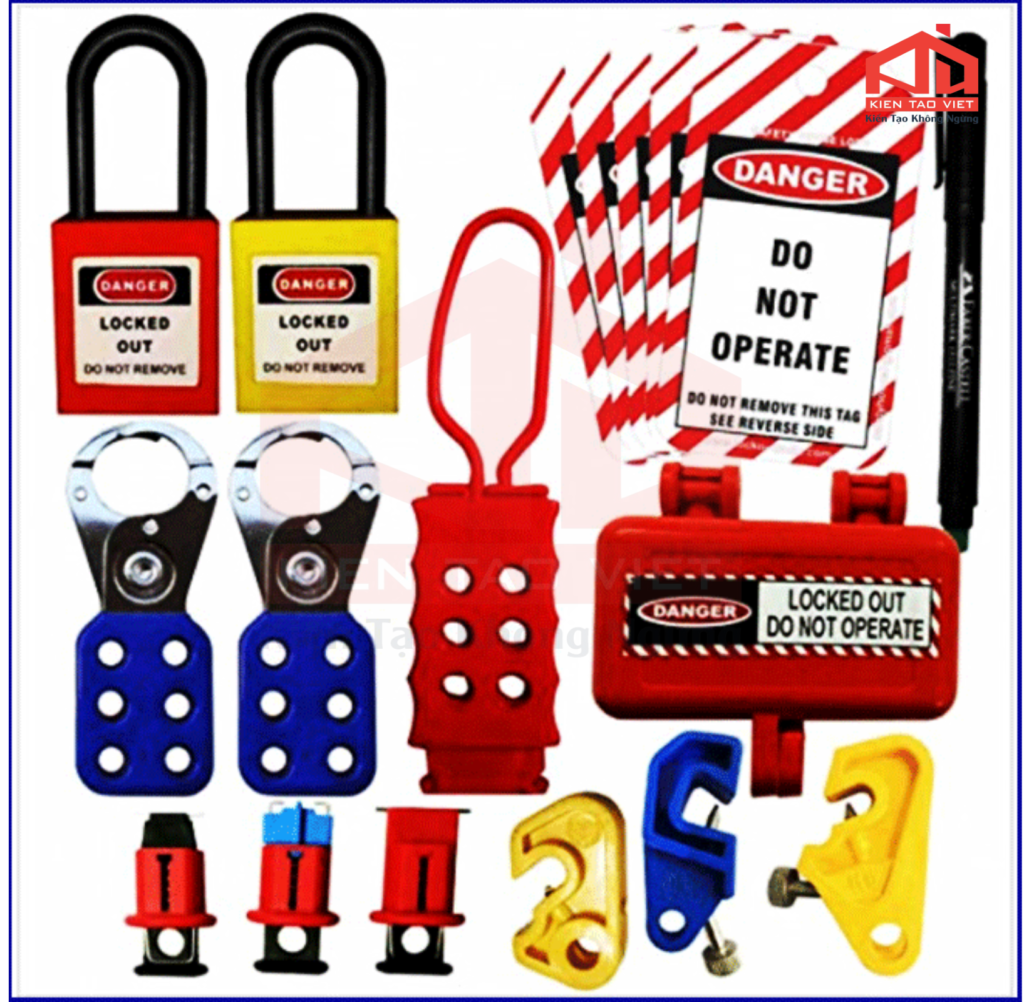
Safety padlocks
Safety padlocks are specially designed for Lockout procedures. Each padlock is assigned a unique key, ensuring that only the authorized employee who installed the lock can remove it after the maintenance work has been completed.
This provides an additional layer of protection by preventing unauthorized personnel from restoring power to the equipment.
Warning tags (Tagout)
Warning tags are attached to lockout devices to indicate that maintenance or servicing is currently being performed and that the equipment must not be operated.
These tags are typically manufactured from durable materials that are resistant to water, chemicals, tearing, and harsh industrial environments. A standard tag generally includes the technician’s name, lockout date, reason for the lockout, and a clear “Do Not Operate” warning.
Circuit breaker lockouts
Circuit breaker lockout devices are used to secure electrical breakers or disconnect switches, preventing electricity from being restored while maintenance work is underway.
These devices are widely used in electrical control panels and power distribution systems throughout manufacturing facilities.
Valve lockout devices
Valve lockouts are designed to secure valves used in compressed air, steam, hydraulic, gas, or liquid systems. Once installed, they prevent the valve from being accidentally opened during maintenance.
Different valve lockout designs are available to accommodate gate valves, ball valves, butterfly valves, and other industrial valve types.
Lockout hasps
A lockout hasp allows multiple authorized employees to apply their personal padlocks to a single energy isolation point.
The equipment cannot be re-energized until every worker has removed their individual lock, making this device particularly useful for team maintenance activities.
Applications of Lockout Tagout in industrial facilities
Lockout Tagout is widely applied during maintenance, repair, inspection, cleaning, and servicing activities involving equipment that contains hazardous energy sources. By following the proper procedure, organizations can significantly reduce workplace risks while ensuring machinery remains safely isolated until maintenance has been completed.
The following are some of the most common applications of Lockout Tagout in industrial facilities.
Machine and production line maintenance
One of the primary applications of Lockout Tagout is preventive and corrective maintenance.
Before replacing components, repairing equipment, or carrying out scheduled maintenance, all hazardous energy sources must be completely isolated and locked.
Applying Lockout Tagout prevents machinery from being accidentally started while maintenance personnel are working, significantly reducing the risk of workplace injuries.
Example
A technician is replacing a bearing on a conveyor motor. If another employee accidentally starts the conveyor from the control room, the technician could become trapped in the drive mechanism.
When the Lockout Tagout procedure has been properly implemented, the electrical disconnect remains locked and tagged, preventing power from being restored until the maintenance work has been completed.
Equipment inspection and cleaning
Many industrial machines require routine cleaning to maintain performance and product quality.
During cleaning, workers often need to access moving parts or areas where hazardous energy may still be present.
Applying Lockout Tagout before cleaning eliminates the risk of unexpected equipment startup, providing a safer working environment for maintenance personnel.
Electrical system maintenance
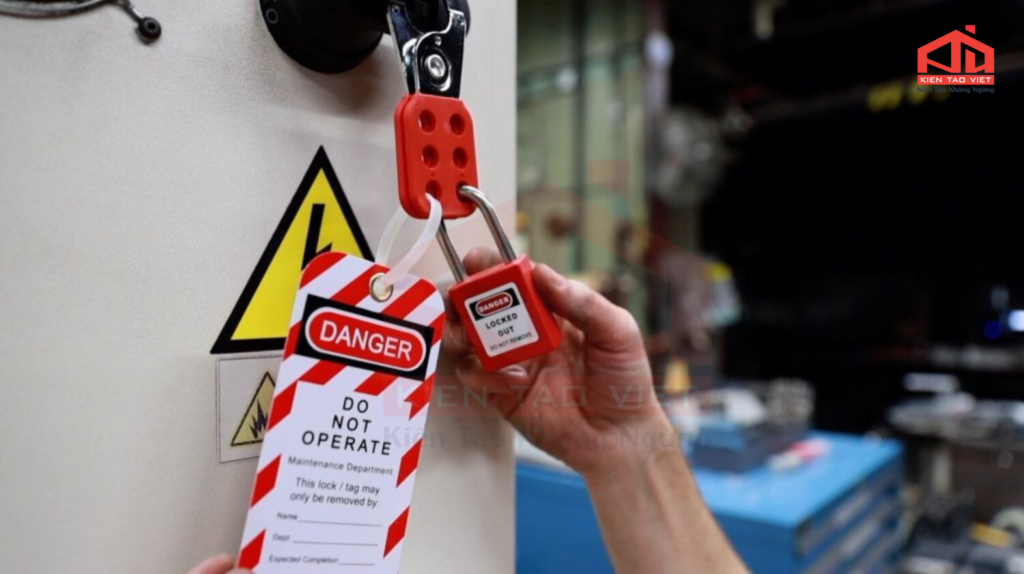
When servicing electrical panels, control cabinets, or power distribution systems, technicians must lock electrical disconnect devices and attach warning tags to prevent others from unintentionally restoring power.
This application of Lockout Tagout plays a vital role in preventing electrical shock, arc flash incidents, and equipment damage during maintenance.
Pneumatic and hydraulic system maintenance
Equipment powered by compressed air or hydraulic systems may retain residual pressure even after normal shutdown.
Before disconnecting pipes, valves, hoses, or cylinders, technicians should isolate the energy source and safely release any stored pressure.
This helps prevent sudden releases of hydraulic oil or compressed air that could cause serious injuries.
Steam and thermal system maintenance
Boilers, steam pipelines, and heating systems operate under high temperatures and pressure.
Before maintenance begins, the energy source must be isolated and the equipment allowed to cool to a safe operating temperature.
Following these precautions helps protect workers from burns, excessive pressure, and accidental steam releases.
Benefits of implementing Lockout Tagout
Implementing a comprehensive Lockout Tagout program provides significant advantages for both employees and businesses.
Reduces workplace accidents
The most important benefit of Lockout Tagout is preventing injuries caused by hazardous energy.
By ensuring that all energy sources are properly isolated, organizations can greatly reduce accidents such as:
– Electrical shock
– Crush injuries
– Contact with moving machinery
– Thermal burns
– Hydraulic or pneumatic system failures
– Chemical releases
Protects employees
A safe working environment allows maintenance personnel to perform their duties with greater confidence and reduced risk.
More importantly, it strengthens employee awareness of safety procedures and encourages a proactive safety culture throughout the organization.
Reduces operational costs
Workplace accidents can result in substantial financial losses, including:
– Employee compensation
– Equipment repair costs
– Production downtime
– Delivery delays
– Reduced operational efficiency
Implementing Lockout Tagout is a long-term investment that helps minimize these avoidable costs while improving overall operational reliability.
Improving maintenance efficiency
A standardized Lockout Tagout procedure enables maintenance personnel to perform their work in a safe, organized, and systematic manner.
By following clearly defined procedures, businesses can reduce maintenance errors, improve equipment reliability, and enhance the overall effectiveness of maintenance management programs.
Supporting safety compliance
Today, many organizations incorporate Lockout Tagout into their occupational health and safety management systems.
Proper implementation of the LOTO procedure not only helps organizations comply with recognized workplace safety requirements but also demonstrates a strong commitment to employee well-being. In addition, maintaining a well-established Lockout Tagout program can enhance a company’s professional image and strengthen confidence among customers, business partners, and regulatory authorities.
>> Read more: Industrial Construction Risks: Common Challenges and How to Prevent Them
Best practices for implementing Lockout Tagout
To maximize the effectiveness of a Lockout Tagout program, organizations should establish clear procedures and ensure consistent compliance across all departments.
The following best practices are recommended:
– Only trained and authorized employees should perform Lockout Tagout procedures.
– Each authorized employee should use a personal safety padlock and retain sole control of its key.
– Never remove another person’s lock or warning tag without following the organization’s approved authorization process.
– Always verify that all hazardous energy sources have been completely isolated before beginning maintenance work.
– Regularly inspect and maintain Lockout Tagout devices to ensure they remain in good working condition.
– Develop documented Lockout Tagout procedures for each type of equipment and communicate them to all relevant personnel.
– Conduct regular safety training and practical drills to improve employee awareness and ensure procedural consistency.
Following these best practices helps organizations establish a reliable hazardous energy control program while significantly reducing workplace risks.
Frequently Asked Questions (FAQ)
Is Lockout Tagout mandatory in every industrial facility?
The requirement depends on the type of industry, applicable regulations, and the equipment being used. However, whenever hazardous energy sources are present, implementing a Lockout Tagout procedure is considered a best practice for protecting maintenance personnel and preventing accidental equipment startup.
Can Lockout and Tagout be used separately?
They should be used together whenever possible.
Lockout provides physical protection by preventing equipment from being energized, while Tagout serves as a visual warning to inform others that maintenance is in progress. Combining both measures offers the highest level of workplace safety.
Who is authorized to remove a Lockout device?
In general, only the authorized employee who applied the lock should remove it after confirming that maintenance work has been completed and the equipment is safe to return to service.
Organizations may establish specific procedures for exceptional situations, but unauthorized removal of a lock should never occur.
When should Lockout Tagout be applied?
Lockout Tagout should be performed before any maintenance, repair, inspection, cleaning, servicing, or component replacement involving machinery or equipment that contains hazardous energy.
Implementing the procedure before work begins is essential for preventing unexpected startup and protecting maintenance personnel.
Conclusion
Lockout Tagout (LOTO) is a fundamental hazardous energy control procedure that plays a critical role in protecting workers and ensuring safe maintenance operations in industrial facilities. When properly implemented, the LOTO process helps prevent workplace accidents, improves maintenance efficiency, and supports a safer, more productive working environment.
Understanding the principles of Lockout Tagout and consistently following established procedures enables organizations to minimize operational risks, strengthen workplace safety, and maintain reliable production processes.
With extensive experience in industrial construction and factory development, Kien Tao Viet is committed to delivering solutions that prioritize safety, quality, and long-term operational efficiency. In addition to providing professional design and construction services, we continuously share practical industry knowledge to help businesses build safer and more sustainable industrial facilities.
If you are looking for a trusted partner for industrial facility consulting, factory design, or construction services, Kien Tao Viet is ready to provide tailored solutions that meet your operational requirements while ensuring the highest standards of quality and safety.

Blog mới nhất
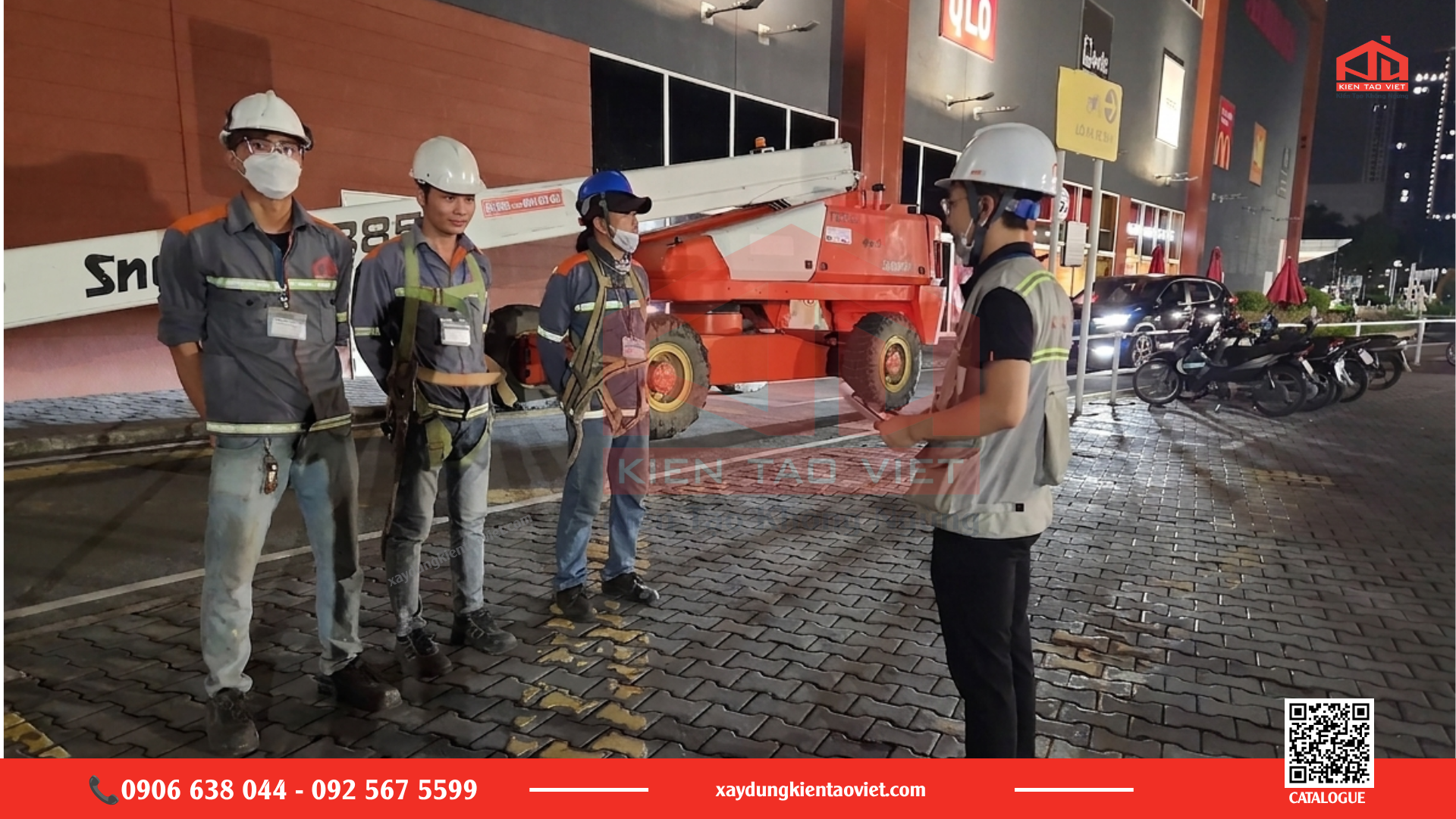
Hồ sơ an toàn nhà thầu: Chuẩn bị gì trước khi thi công tại nhà máy?
Hồ sơ an toàn nhà thầu cần thể hiện công việc sẽ làm, người chịu trách nhiệm, mối nguy đã nhận diện và biện pháp kiểm soát tương ứng. Doanh nghiệp nên xác định yêu cầu hồ sơ theo phạm vi thi công và điều kiện cơ sở, thay vì sử dụng một bộ tài […]
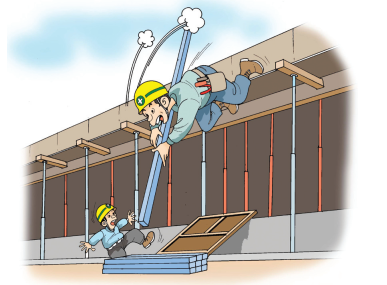
Kế hoạch cải tạo hạ tầng nhà máy theo từng giai đoạn
Kế hoạch cải tạo hạ tầng nhà máy nên xác định rõ hiện trạng, nhu cầu vận hành, mức độ ưu tiên và điều kiện triển khai của từng hạng mục. Doanh nghiệp cần thống nhất phạm vi, ngân sách, lịch phối hợp với sản xuất và tiêu chí bàn giao trước khi huy động […]

Thi công bảng hiệu nhà máy tại TP.HCM | Kiến Tạo Việt
Thi công bảng hiệu nhà máy cần bắt đầu từ vị trí lắp đặt, mục đích nhận diện và điều kiện tiếp cận công trình. Doanh nghiệp nên chốt nội dung, kích thước, vật liệu, phương án chiếu sáng, trách nhiệm lắp đặt và tiêu chí nghiệm thu trước khi gia công. Một thiết kế […]

Chi phí cải tạo văn phòng: Cách lập dự toán và kiểm soát phát sinh
Chi phí cải tạo văn phòng không thể xác định chính xác phân tích chính xác. Doanh nghiệp cần biết hiện trạng mặt bằng, các hạng mục phải làm, vật liệu lựa chọn và điều kiện tổ chức thi công. Một báo giá hữu ích phải thể hiện khối lượng, cung cấp phạm vi, loại […]

Cải Tạo Văn Phòng Tại Củ Chi Trọn Gói
Nhiều nhà máy và kho bãi tại Củ Chi đang gặp tình trạng văn phòng cũ thiếu diện tích, bố trí bất hợp lý, hệ thống kỹ thuật xuống cấp. Cải tạo văn phòng tại Củ Chi giúp doanh nghiệp tận dụng mặt bằng sẵn có, tái cấu trúc công năng, tiết kiệm thời gian […]
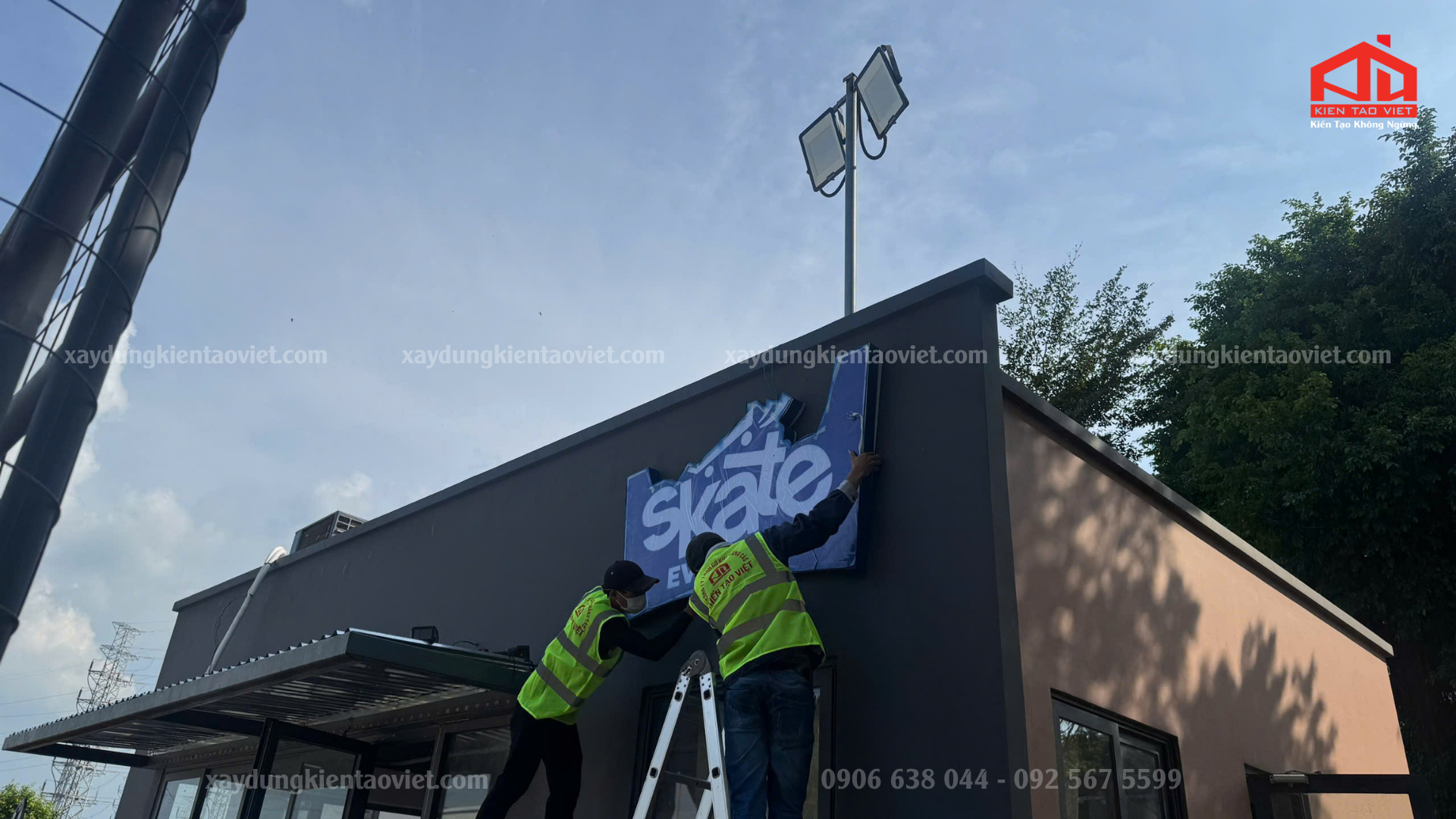
An toàn lắp đặt bảng hiệu trên cao: Doanh nghiệp cần phối hợp những gì?
An toàn lắp đặt bảng hiệu trên cao cần được chuẩn bị trước khi huy động đội thi công. Doanh nghiệp và nhà thầu phải làm rõ vị trí, cách tiếp cận, nhân sự, thiết bị, hoạt động bên dưới và điều kiện triển khai. Phương án phải do người có chuyên môn xem xét; […]
-
Vì sao lắp đặt mái che di động trở thành xu hướng những năm gần đây
-

Những điều cần biết về lắp đặt mái che di động 2026
-

Những điều cần biết khi chọn nhà thầu xây dựng nhà thép tiền chế 2026
-

07 Tiêu chí chọn nhà thầu xây dựng – cải tạo nhà xưởng uy tín 2026
-

Cải tạo văn phòng doanh nghiệp 2026: Những điều cần biết